


Breast Cancer
Latest News
Advertisement
Latest Videos

CME Content

































Advertisement
More News

Human epidermal growth factor receptor 2 (HER2)-positive disease accounts for 20% to 25% of breast cancers, as represented by amplification of the HER2 gene and/or HER2 protein overexpression
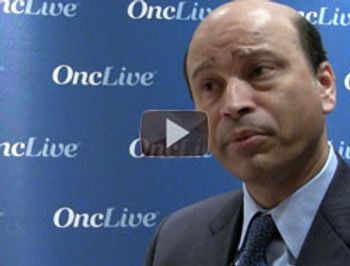
Debu Tripathy, MD, co-leader, Women's Cancer Program, University of Southern California Norris Comprehensive Cancer Center, discusses new personalized therapies on the horizon for advanced breast cancer.
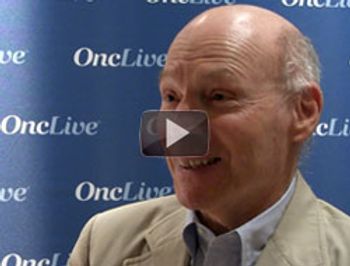
Lawrence J. Schneiderman, MD, professor emeritus, Medicine/Family & Preventive Medicine, University of California, San Diego (UCSD), discusses futility policies in relation to cancer drugs.

The first results from the I-SPY 2 trial, which is evaluating novel agents in the neoadjuvant treatment of breast cancer, show encouraging possibilities for veliparib (ABT-888) and neratinib (PB272).
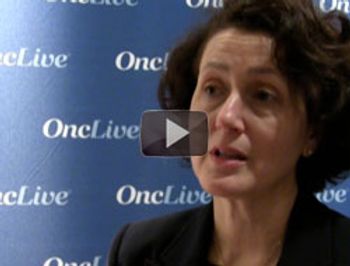
Julia White, MD, professor, director, Breast Radiation Oncology, vice chair, Clinical Research, The Ohio State University Comprehensive Cancer Center, discusses the use of ablative radiotherapy in patients with metastatic breast cancer.
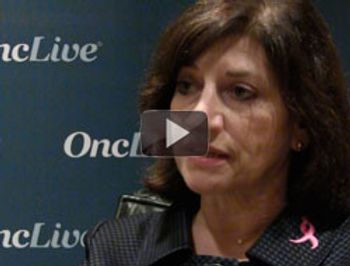
Judith A. Salerno, MD, MS, president, CEO, Susan G. Komen, discusses federal funding for research and the importance of gaining funds though private philanthropy to support clinical researchers.
The benefits of trastuzumab, pertuzumab, lapatinib, and ado-trastuzumab emtansine (T-DM1) have all been well studied, but each drug also has its own set of complications and toxicities.

New models have emerged for examining novel breast cancer treatments in the neoadjuvant setting that avoid the lengthy process of standard, large adjuvant trials.

In the last decade, there have been tremendous improvements in the treatment of HER2-positive breast cancer with new HER2-targeted agents improving survival in both the adjuvant and metastatic settings.

The first-line combination of trastuzumab and eribulin mesylate demonstrated an ORR of 71.2% with a median PFS of 11.6 months in patients with HER2-positive advanced breast cancer.
Sunil Verma, MD, MSEd, FRCPC, associate professor, University of Toronto, chair, Breast Medical Oncology, Sunnybrook Odette Cancer Centre, provides an outlook on the treatment of HER2-positive breast cancer.

Success rates for lumpectomies or mastectomies are high with respect to survival, with up to 98% long-term survival rates for surgery and/or radiotherapy, but what if similar results could be achieved by substituting targeted medications for therapy?

The US Supreme Court's landmark decision last June, mandating that an individual's genes cannot be patented, transformed the genetic testing landscape and opened the marketplace to a host of new and complicated testing options.
The most promising novel therapeutics in development for patients with breast cancer focus primarily on targeting activating mutations in combinations that are based on findings from next-generation sequencing.
Debu Tripathy, MD, co-leader, Women's Cancer Program, University of Southern California Norris Comprehensive Cancer Center, discusses using adjuvant bisphosphonates as a treatment option for patients with breast cancer.
Judy C. Boughey, MD, associate professor of surgery, director, Breast Surgical Oncology Training Program, Mayo Clinic, discusses surgical resection of the primary breast tumor in patients with stage IV breast cancer.

Since its approval in 1998 to treat metastatic breast cancer, the anti-HER2 monoclonal antibody trastuzumab has dramatically expanded life expectancy and improved quality of life for women diagnosed with HER2-positive disease.

The large Canadian study that has caused a stir by indicating that mammograms are of no use in women aged 40 to 59 years, and in fact can lead to over-diagnosis of breast cancer, is flawed and misleading
Melvin J. Silverstein, MD, FACS, director, Breast Program Hoag Memorial Hospital, professor of surgery, Keck School of Medicine, University of Southern California, describes oncoplastic surgery.

As advances in systemic therapy improve our ability to individualize breast cancer treatment, and improve response rates and outcomes, it is important to reevaluate the most appropriate form of local-regional management.

Hyman B. Muss, MD, discusses optimizing the administration of endocrine therapies with or without mTOR inhibitors for patients with HR-positive metastatic breast cancer

Eribulin mesylate (Halaven) proved safe and effective as first-line therapy for locally recurrent or metastatic HER2-negative breast cancer in final phase II clinical trial results
Brian Leyland-Jones, MBBS, PhD, director, Edith Sanford Breast Cancer Research, discusses the development of breast cancer risk assessment tools.

Some patients with micropapillary urothelial carcinoma face a three-fold risk of cancer death because their disease amplifies HER2 and overexpresses its protein product, and there may be a role for treatment of the condition with HER2- targeted agent trastuzumab, which has vastly increased the odds of survival for eligible patients with breast cancer.

Genetic counseling-including testing and risk assessment-is one of the most rapidly growing areas of oncology and has become the standard of care for patients with a personal and family history of breast, ovary, or colon cancer.
Advertisement
Advertisement
Trending on OncLive
1
Single-Center, Retrospective Data Show Low Rate of Lifileucel Infusion Following Referral in Advanced Melanoma
2
Outcomes With Bridging Therapy Correlate With Cilta-Cel Efficacy, Safety in Multiple Myeloma
3
Real-World Data Support Clinical Benefit With Lifileucel in Previously Treated Advanced Melanoma
4
Long-Term Cilta-Cel Data Show Low Rates of PFS Events in Standard-Risk R/R Myeloma
5