
The WVU Heart and Vascular Institute and WVU Cancer Institute performed West Virginia’s first single-port robotic-assisted thoracoscopic lobectomy.
The WVU Heart and Vascular Institute and WVU Cancer Institute performed West Virginia’s first single-port robotic-assisted thoracoscopic lobectomy.
A large transcriptomic analysis identified actionable gene fusions in 9% of glioblastomas, defining a targetable molecular subset.
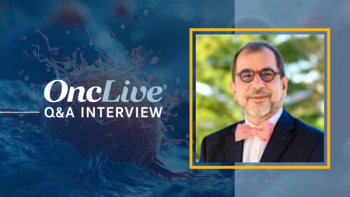
Ashkan Emadi, MD, PhD, discusses how subcutaneous blinatumomab may represent a treatment approach in mixed phenotype acute leukemia.
A WVU Cancer Institute team investigated the efficacy of subcutaneous blinatumomab in treating one of the rarest and most aggressive forms of leukemia.
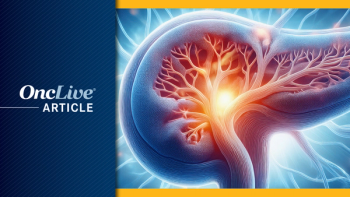
Patients with pancreatic lesions have been treated with endoscopy-guided microwave therapy according to researchers at WVU Medicine.

The expansion of WVU Medicine hospitals across the state is changing how and where patients, including those with cancer, receive care.
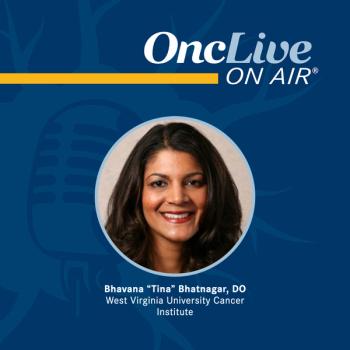
Dr Bhatnagar discusses the prior and ongoing studies evaluating the addition of uproleselan to standard-of-care regimens for patients with AML, why uproleselan could affect the treatment paradigm across AML subtypes, and the rationale for pursuing minimal residual disease negativity as a clinical end point in AML.
Bhavana “Tina” Bhatnagar, DO, discusses the investigation of minimal residual disease negativity in patients with acute myeloid leukemia.