The FDA approved sevabertinib for advanced or metastatic nonsquamous NSCLC harboring HER2 (ERBB2) TKD activating mutations.
Patients with advanced abdominal cancers who are not candidates for tumor-removing surgery now have access to a treatment that may help control disease within the abdomen, reduce symptoms, preserve quality of life, and potentially extend survival.
"Many patients with advanced abdominal cancers are not candidates for other more aggressive treatments. PIPAC gives us another tool to offer these patients when treatment options may otherwise be limited," says
Some abdominal cancers cannot be completely removed because the disease has spread extensively throughout the abdominal cavity, making it unsafe to surgically remove all visible tumors. For these patients, traditional surgical approaches may not be appropriate.
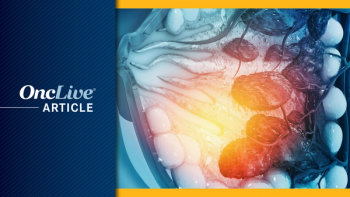
PIPAC offers them a new option by delivering chemotherapy directly into the abdominal cavity. The chemotherapy is converted into a fine, pressurized aerosol mist that is distributed throughout the abdominal cavity to treat cancer where it is needed most on the lining of the abdomen. The surgery is performed using a minimally invasive laparoscopic approach. Surgeons make several small incisions to insert a camera and surgical instruments before delivering the chemotherapy into the abdominal cavity.
Once administered, the chemotherapy remains in the abdomen for approximately 30 minutes before it is removed. The procedure typically takes about one hour, and most patients return home the same day or spend only one night in the hospital and return to normal routines within a week. Because the procedure is minimally invasive, treatment may be repeated every six to eight weeks, depending on the patient's condition and treatment plan.
“Because the procedure is minimally invasive and can be repeated over time, it offers another way to manage cancer within the abdomen for patients who may have few other options," Gamblin says.
HIPEC, or
"HIPEC is almost like peeling wallpaper off a wall," Gamblin says. "We're removing all visible cancer before administering heated chemotherapy. However, not every patient is a candidate for that approach."
For patients whose disease is too extensive to safely remove through surgery, options have historically been limited. While PIPAC does not cure advanced disease, it may help manage symptoms, preserve quality of life, and potentially extend survival. For patients and families facing advanced abdominal cancers, maintaining quality of life and creating more meaningful time together can be just as important as extending survival, according to Gamblin.
"When we talk with patients, we focus on aligning their expectations with the goals of treatment," Gamblin says. “We want patients to understand what this treatment can realistically accomplish and help them make informed decisions about their care. It was incredibly important for us to bring PIPAC to Huntsman Cancer Institute because it represents another important tool for caring for patients with cancer. As an NCI-designated Comprehensive Cancer Center, we have a responsibility to think about the needs of the next patient and the next generation of cancer care. Bringing innovative therapies to the Mountain West reflects our commitment to improving access and advancing cancer treatment for our region.”