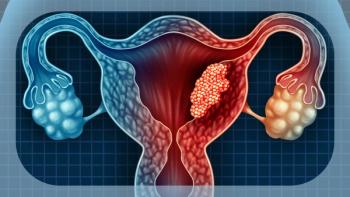
MD Anderson Cancer Center announced the Texas Lone Star Cervical Cancer Elimination Plan 2027-2032, a 5-year roadmap to eliminate cervical cancer in Texas.
Surgeons at the UC San Francisco have performed over 25,000 robotically assisted minimally invasive surgeries.
Surgeons at the UC San Francisco have performed over 25,000 robotically assisted minimally invasive surgeries, making it the first University of California health center to reach this milestone. UCSF Health has the busiest robotic surgery program in the UC Health system and is one of the leading academic medical institutions for robotic surgeries in the Western U.S.
“We have been able to reach this milestone of 25,000 robotically assisted surgeries thanks to UCSF Health’s commitment to expanding our robotic-assisted surgery program,” said
Only a few facilities on the West Coast have the number of robots and robotically trained surgeons as UCSF Health. In 2025, UCSF surgeons performed more than 3,000 robotic procedures, and the health system is on pace for 4,000 robotic procedures in 2026. With dedicated robotic operating rooms at five UCSF campuses, and 87 UCSF surgeons doing robotic procedures in 18 specialties already, UCSF plans to add another robotic surgery operating room this fall at its UCSF Stanyan hospital.
The
For surgeons, the robotic systems improve visualization of the surgical field through 10 times magnification in 3D and enhances dexterity for manipulation and dissection of tissue with greater precision. While surgeons guide the robotic arms and movements of the surgical instruments, the da Vinci 5 platform adds greater sensitivity with force sensing instrumentation.
“One of the big technological advances of dV5 is haptic feedback, which allows surgeons for the first time to actually feel what the robotic hands are feeling inside the chest,” said Kratz. “If there is resistance during the movement, surgeons will be able to feel that in their hands and not just see it on the screen. It adds an extra level of safety to the surgery.”
Robotic surgeries currently being performed at UCSF encompass a wide range of specialties and procedures, including removing cancerous tissue from the lungs, uterus, ovaries, colon, rectum, esophagus, bladder, prostate, head and neck, liver, and pancreas. Other robotic surgeries are used for treating uterine fibroids, endometriosis, hysterectomy, and doing female pelvic organ prolapse repairs, hernia repairs, and bariatric surgery. Earlier this year, the medical center added a PROCEPT BioRobotics HYDROS robot to bring new technology in prostate health to UCSF patients.
UCSF Health also has a robotic donor nephrectomy program, a robotic sleeve gastrectomy program, and an outpatient robotic surgery program. Recently, the robotic surgery program added robotic kidney transplantation (implantation) as well as living donor hepatectomies.
“We were one of the first academic institutions in the Western U.S. to perform robotic surgery, and we stay very up-to-date and are always incorporating the latest robotic technologies,” said Kratz. “Our excellent outcomes in robotic surgery reflect the experience and excellence of our team and our desire to make recovery easier, safer, and faster for our patients.”
In addition to investing in new technology and surgeon training, UCSF Health’s commitment to a multidisciplinary, team-based approach to robotic surgery ensures that nursing education, training, and competencies evolve alongside technical advances to support operational flow, patient safety, and quality in operating rooms. UCSF is also incorporating residents and medical students into this education to prepare the next generation of clinicians to use these technologies safely and effectively while maintaining the highest standards of patient care.