Selective CDK4 inhibitor atirmociclib plus fulvestrant reduced risk of progression or death by 40% vs investigator's choice of therapy in the phase 2 FOURLIGHT-1 trial.
Ultra-hypofractionted radiotherapy yielded responses in locally advanced breast cancer.
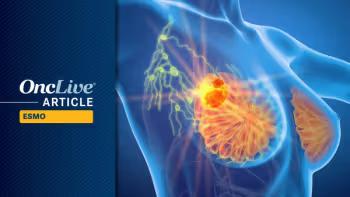
The use of ultra-hypofractionated radiotherapy yielded favorable responses in the treatment of patients with locally advanced breast cancer and could represent a option for patients with extensive or initially unresectable disease, according to a poster presentation from the
A retrospective review from May 2022 to May 2025 looked at 987 patients, of which 45 were evaluable. Patients were given 25 Gy of radiation in 5 fractions to the breast and regional lymph nodes.
Clinical response rates showed 46.6% of patients were favorable, 4.4% had no response, and 15.5% had progression. Of note, 33.3% of patients were lost to follow-up and did not have an evaluation.
Tumor stage was assessed with 88.9% having cT4 and 11.0% having cT2; 15.6% had a nodal status of cN3, 20.0% had cN2, 46.7% had cN1, and 17.8% had cN0; 4 patients had stage IV disease; 80% had hormone receptor-positive disease, 4.4% had HER2-positive disease, and 13.3% had triple-negative breast cancer. Additionally, 71.1% of patients received neoadjuvant chemotherapy, 88.9% were given radiation for curative intent compared with 11.1% for palliative care. The median follow-up was 11.5 months.
Looking at surgical outcomes, total mastectomy plus axillary lymph node dissection occurred in 42% of patients, 74% had a pathology report available, and 92.9% had downstaging.
The authors noted that the objective of the retrospective study was to evaluate the clinical and pathological outcomes after neoadjuvant 5-fraction radiotherapy for patients with locally advanced breast cancer. There have previously been limited evidence to support the use of neoadjuvant ultra-hypofractionated radiotherapy. Additionally, this shows a need for alternative in extensive/initially unresectable disease.
“[Ultra-hypofractionation can be] useful in curative and palliative settings. [This provides] promising options for extensive or initially unresectable [locally advanced breast cancer]. [However], further prospective data are needed,” Carolina Gabler from the Radiation Oncology Program at the University of Diego Portales in Santiago, Chile, and co-authors wrote in the poster.
In an interview with CancerNetwork at the
“On the flip side, if you’re having trouble getting doses to certain areas, or if you’re giving, say, 90% of the shorter regimen of a dose, that’s going to be a numerically lower biologic dose than if you’re going to the more protracted conventional radiation,” noted Dutta. “Sometimes, it’s more of a technical question. If you can do the 15 fractions and get good coverage of your targets and sparing of the organs at risk, I would say that’s a great option. It’s never wrong to switch to the more conventional regimen if you’re worried about those things.” Dutta isassistant professor in the Department of Radiation Oncology at Emory University School of Medicine.
Reference
Gabler C, Abarca J, Silva J, Ovalle V. Use of preoperative ultra-hypofractionated radiotherapy in patients with locally advanced breast cancer: clinical and pathological outcomes. Presented at the 43rd Miami Breast Cancer Conference; March 5-8, 2026.