
Patients with metastatic, hormone-sensitive prostate cancer and minimal disease spread experience a two-year boost in median survival when treated with continuous, rather than intermittent, hormonal therapy.
Patients with metastatic, hormone-sensitive prostate cancer and minimal disease spread experience a two-year boost in median survival when treated with continuous, rather than intermittent, hormonal therapy.
Study finds that more than two-thirds of patients with metastatic kidney cancer prefer pazopanib over another FDA-approved treatment, sunitinib.
Many primary care providers and some oncologists are unaware of the long-term effects of four chemotherapy drugs used to treat two of the most common forms of cancer.

An interview with Brian Rini, MD, whose research has focused on RCC, prostate, and other genitourinary cancers, as well as on antiangiogenic therapy and immunotherapy.

An interview with Mark G. Kris, MD, chief of the Thoracic Oncology Service at Memorial Sloan-Kettering Cancer Center, who has dedicated the past 30 years to helping patients with lung cancer.

If you saw a patient who was under 50 and had breast, colon, or ovarian cancer, what course of action would you recommend?
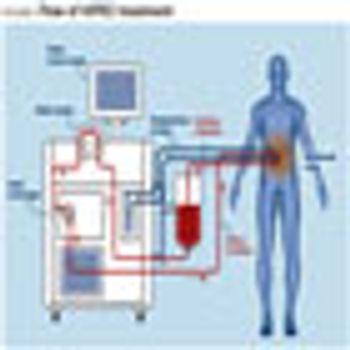
There is an ongoing debate in the oncology community about a treatment technique that involves cutting all visible cancer out of the abdomen and then flooding the cavity with heated chemotherapy drugs. The procedure -- known as cytoreductive surgery (CRS) -- followed by hyperthermic intraperitoneal chemotherapy (HIPEC), or a

One of a small group of scientists who had a hand in developing Herceptin (trastuzumab) for the treatment of breast cancer, Dr. Debu Tripathy's current work is focused on understanding why some patients are resistant to the drug, and how to create more effective therapies for them.

Andre Goy, MD, MS, treats lymphoma patients at New Jersey's largest cancer center, Goy, 54, is also a translational researcher widely known for his work showing the first-ever evidence of activity of bortezomib.

Ezra E. W. Cohen, MD, has focused on the role of EGFR inhibitors in much of his research into head and neck cancers.
Ezra E. W. Cohen, MD, is a physician and translational researcher at the University of Chicago Medical Center, that focuses on epidermal growth factor receptor (EGFR) inhibitors.

Roy S. Herbst, MD, PhD, is a physician and translational researcher, whose work in developing novel, personalized therapies for lung cancer has helped drive significant changes in the way the disease is treated.
It's hard to tell which moves more quickly: Edith Perez's feet, or her mind.
When Robert A. Weinberg was a boy, he loved dissecting what was complicated and figuring out what made it work.
As a child Joyce Ann O'Shaughnessy enjoyed science and her home chemistry set. Still, she didn't give much thought to pursuing the subject beyond the confines of her school - until she faced a tragedy.
Plenty of children are afraid to go to the doctor. Dennis Slamon used to look forward to it.

James P. Allison has never hesitated to buck the system