

It may be possible to forgo radiation in previously untreated patients with limited-stage Hodgkin lymphoma.
It may be possible to forgo radiation in previously untreated patients with limited-stage Hodgkin lymphoma.

A closer look at 2 investigational agents, carlfilzomib and pomalidomide, that were featured at the 53rd American Society of Hematology annual meeting.

FISH testing for genetic abnormalities is the key to appropriate treatment selection for patients with CLL.

Several molecular markers for AML are now used at top-tier cancer centers for prediction, treatment selection, and monitoring response.

Bone disease occurs in about 84% of patients with multiple myeloma and is responsible for a great deal of morbidity, including pain, hypercalcemia, compromised quality of life, and pathological fracture.

A single dose of radiotherapy and a single injection of ibandronate provided similar pain relief from bone metastases in men with metastatic prostate cancer.

A subanalysis of the AZURE study found that postmenopausal women had a disease-free survival advantage from the addition of zoledronic acid to their therapy.

Maintenance therapy with bevacizumab plus pemetrexed achieved a 4-month benefit in progression-free survival (PFS) versus bevacizumab maintenance therapy alone.

Cancer treatment is moving from a one-size-fits-all approach to personalized medicine, which means matching the right drug with the right tumor characteristics.

Newly-diagnosed asymptomatic follicular lymphoma patients with low tumor burden can have their initial treatment delayed.

Erythropoietin-stimulating agents (ESAs), once considered miracle drugs that enjoyed widespread use for cancer-related anemia, fell into disfavor in 2007.

The availability of effective novel agents for the treatment of multiple myeloma - including thalidomide, lenalidomide, and bortezomib - has validated the concept of maintenance therapy in myeloma patients.

Outcomes in the treatment of acute lymphoblastic leukemia (ALL) differ in children and adults, with pediatric patients (including adolescents and young adults) having much higher cure rates than adults.

William I. Bensinger, MD, tackles the complex subject of the role of hematopoietic stem cell transplantation (HSCT), including when to transplant and whether to use allogeneic versus autologous transplant.

Current treatments revolutionized multiple myeloma but combinations and novel approaches in development promise to make even greater strides in treating this disease.

Fewer cancer patients need to be treated with denosumab to prevent one skeletal-related event due to bone metastases from solid tumors.

Treating myelofibrosis with the investigational JAK inhibitor ruxolitinib holds promise.

Concurrent and continued bevacizumab added to standard chemotherapy with carboplatin/ paclitaxel improved OS in women with high-risk ovarian cancer, according to an interim survival analysis of the ICON7 trial.

Postmenopausal women at risk of breast cancer got good news from the MAP.3 trial results: Exemestane reduced their risk of invasive breast cancer by 65% compared with placebo.

A novel topoisomerase-I inhibitor designated NKTR-102 demonstrated clinically significant activity as a single agent in patients with heavily pretreated ovarian cancer who failed prior PLD.
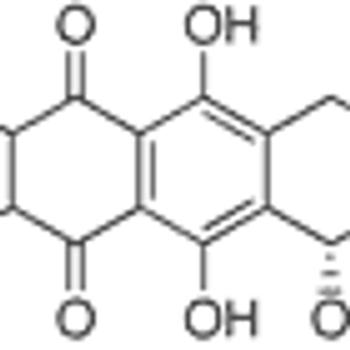
Amrubicin improved response rates, improved progression- free survival (PFS), and achieved enhanced symptom control with acceptable toxicity compared with topotecan.

The addition of the PARP inhibitor iniparib failed to improve OS or PFS when added to gemcitabine/carboplatin (GC) compared with GC alone in patients with metastatic TNBC.

Although once considered a promising drug for lung cancer and other tumor types, motesanib added to carboplatin/paclitaxel chemotherapy did not improve overall survival.
Translational medicine is currently the focus of much attention in the medical and research community and is the wave of the foreseeable future
According to a retrospective review of a SEER-Medicare database presented at the ASCO Genitourinary Cancers Symposium

Performing robotic-assisted laparoscopic radical prostatectomy (RALP) surgeries at an expert level is not as easy as has been previously assumed

According to primary results of a phase III randomized, placebocontrolled trial reported at the 2011 ASCO Genitourinary Cancers Symposium
About 40% of insured women in the United States are not undergoing screening mammography at least every 2 years in keeping with guidelines from the USPSTF.

Dutasteride, a drug commonly used to treat benign prostatic hyperplasia, may also be useful as part of a "watchful waiting" strategy

cabozantinib (XL184) - a novel wide-spectrum tyrosine kinase inhibitor (TKI) - achieved dramatic results in patients with castration-resistant prostate cancer