Articles by Brielle Urciuoli
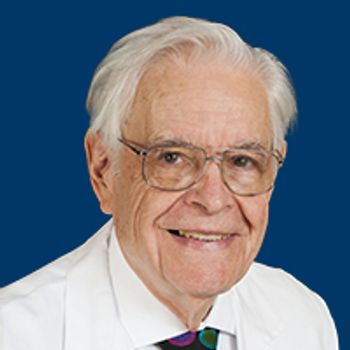
Herman D. Suit, MD, MSc, PhD, a leader in the field of radiation oncology whose innovations lessened the need for radical surgery and improved outcomes for patients, was honored in the Radiation Oncology category with a 2017 Giants of Cancer Care® award.
The PD-1 inhibitor pembrolizumab (Keytruda) continues to be a promising frontline immunotherapy option for patients with advanced melanoma.
Breast implants may increase an individual’s risk of developing anaplastic large cell lymphoma, a recent FDA advisory warned.

Debu Tripathy, MD, provided an update on neoadjuvant strategies in HER2-positive breast cancer at the 2017 Miami Breast Cancer Conference.
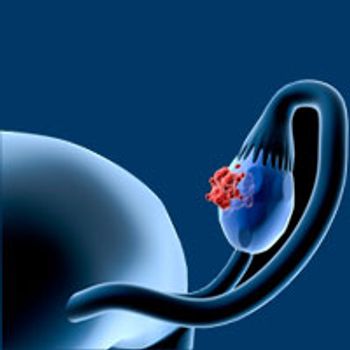
Long or irregular menstrual cycles may be a marker of an increased risk for developing certain subtypes of ovarian cancer, according to the results of a recent study.
In the past decade, the addition of tyrosine kinase inhibitors has had a huge impact on the treatment of renal cell carcinoma in the first- and second-line settings. Currently available agents include sorafenib, sunitinib, pazopanib, axitinib, and the recently-added cabozantinib, and lenvatinib.
Standard of care for newly diagnosed non-small cell lung cancer is shifting to include PD-L1 expression to determine the appropriate treatment plan, says Matthew D. Hellmann, MD.
The treatment landscape for patients with ALK-rearranged non–small cell lung cancer is changing rapidly, gearing up the potential for more therapeutic options to address the heterogeneity of the mechanism of resistance in this population.

Results from a safety, tolerability, and dose escalation phase Ib/II study involving intratumoral SD-101 and pembrolizumab (Keytruda) have demonstrated that the combination was well-tolerated with no dose-limiting toxicities.

The combination of dabrafenib and trametinib continued to demonstrate durable efficacy for patients with BRAF V600E/K-mutant melanoma across patient subgroups in a 3-year analysis of the phase III COMBI-d study, with baseline site of metastasis identified as a predictor of overall survival ≥36 months,

Helmut Schiader, MD, discusses why drug resistance may be due to epigenetic changes and not mutation-induced changes, as well as the role of immunotherapy/targeted therapy combinations in combating resistance.
Given the poor prognoses often seen in patients with anaplastic thyroid cancer, researchers are seeking novel therapies that may hold more promise than surgery or radiation.

Naiyer Rizvi, MD, discusses pivotal clinical trials of immunotherapy agents for patients with lung cancer and expresses his optimism regarding the treatment for the field.
James C. Yao, MD, discusses developments in the field of neuroendocrine tumors.
The United States Preventative Services Task Force recommends screening for colorectal cancer using traditional colonoscopy or one of 7 tests at various frequencies for all patients aged 50 to 75.
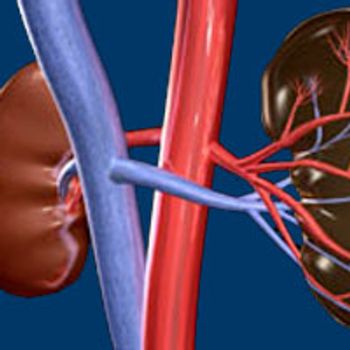
Researchers at the Rutgers Cancer Institute of New Jersey are testing the possibility of sending treatment drugs directly to the kidney in patients with upper urinary tract urothelial carcinoma.