Articles by Darlene Dobkowski, MA
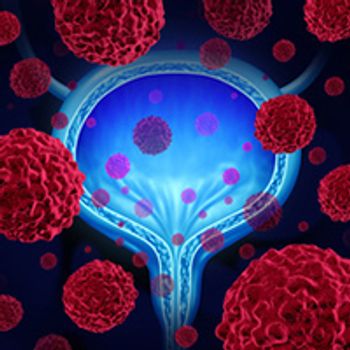
Tumor mutational burden and alterations in CDKN2A, CDKN2B, and MTAP were among several biomarkers that were predictive of response to enfortumab vedotin in patients with advanced urothelial carcinoma, according to findings from a retrospective analysis.

Administration of cyclophosphamide, tacrolimus, and mycophenolate mofetil improved 1-year GVHD relapse-free survival compared with tacrolimus plus methotrexate in patients with hematologic malignancies undergoing reduced intensity conditioning allogeneic hematopoietic cell transplantation.
Cemiplimab maintained an overall survival benefit vs chemotherapy as a second-line treatment for patients with recurrent or metastatic cervical cancer who received prior platinum-based chemotherapy.
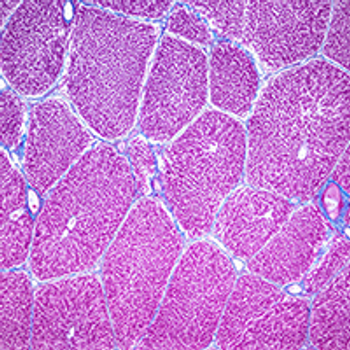
Lenvatinib was effective in treating patients with recurrent hepatocellular carcinoma after liver transplantation and demonstrated manageable toxicities.
Treatment with acalabrutinib for relapsed/refractory chronic lymphocytic leukemia was effective out to 3 years and demonstrated a progression-free survival benefit over standard of care, according to 3-year follow-up of the ASCEND study.

Real-world data of children and young adults with relapsed/refractory B-cell acute lymphoblastic leukemia treated with tisagenlecleucel demonstrated similar efficacy outcomes and a more favorable safety profile compared with the ELIANA trial.
Certain adverse effects associated with olaparib were minimal and resolved with appropriate management in patients with germline BRCA1/2 mutations in patients with high-risk, HER2-negative, early-stage breast cancer.

The antibody drug conjugate datopotamab deruxtecan demonstrated safe antitumor activity in patients with advanced/metastatic non-small cell lung cancer with actionable genomic alterations.
Similarities in clinical characteristics in these patients despite differences in other genomic alterations may impact potential clinical trial treatment selection.
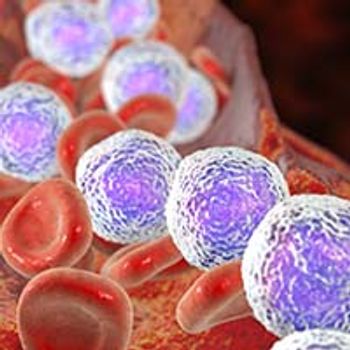
For patients with myeloma have undergone an autologous stem cell transplant and are currently on maintenance therapy with lenalidomide, minimal residual disease may be a powerful predictor of outcomes.

Older patients with newly diagnosed multiple myeloma who are ineligible for chemotherapy or transplant may derive a greater benefit when treated with daratumumab plus lenalidomide and dexamethasone compared with lenalidomide and dexamethasone.

Fixed-duration ibrutinib and venetoclax as a first-line treatment yielded superior progression-free survival compared with chlorambucil plus obinutuzumab in patients with chronic lymphocytic leukemia.
Ciltacabtagene autoleucel, an investigational BCMA-directed CAR-T therapy, sustained efficacy and durable responses in heavily pretreated patients with relapsed/refractory multiple myeloma.
Patients with relapsed/refractory diffuse large B-cell lymphoma treated with a novel combination of polatuzumab vetodin, rituximab and lenalidomide contributed to an improved overall response and complete response, with 82% remaining in remission at the study’s cutoff date.

Maintenance therapy with niraparib significantly improved progression-free survival in patients with BRCA-mutated ovarian cancer, according to results from three phase 3 trials.

Patients with cancer who live in states with lower Medicaid income eligibility limits had worse long-term survival outcomes compared with those with higher eligibility limits.

February 11, 2021 - A higher starting dose of lenvatinib — 18 mg per day — improved health-related quality of life and led to longer time to deterioration compared with a lower starting dose of lenvatinib — 14 mg per day — in patients with renal cell carcinoma.
January 28, 2021 - Although survivors and patients with lung cancer felt that they were involved in the treatment decision-making process, nearly half of them reported that they knew what their treatment options were before making a decision.

January 15, 2021 - Findings from an analysis determined that stage 4 gastrointestinal stromal tumors were rare and led to hepatic metastases, although overall survival was up to 51% at 5 years.
December 11, 2020 - Patients with human epidermal growth factor receptor 2-negative, hormone receptor-positive metastatic breast cancer who were treated with tesetaxel and a reduced dose of capecitabine experienced improvements in progression-free survival compared with those treated with the FDA-approved dose of capecitabine alone.

December 10, 2020 - Women with stage 1 to 3 breast cancer who adhered to a diabetes risk reduction diet had improved survival versus those who did not follow this specific diet.

December 5, 2020 - Patients with relapsed or refractory chronic lymphocytic leukemia treated with venetoclax and rituximab had a sustained progression-free survival and overall survival benefit at five years compared with those treated with bendamustine and rituximab.
