
Davendra Sohal, MD, MPH, discusses the SWOG S1505 data and other emerging areas of research in pancreatic cancer.
Davendra Sohal, MD, MPH, discusses the SWOG S1505 data and other emerging areas of research in pancreatic cancer.
David H. Ilson, MD, PhD, discusses the utility of TAS-102 in gastric and GEJ adenocarcinoma as well as other encouraging research in these spaces.
Raja Mudad, MD, FACP, discussed the available EGFR inhibitors and sequencing challenges for patients with EGFR-mutant non-small cell lung cancer.
Hossein Borghaei, DO, discusses pivotal and ongoing trials driven by biomarkers in lung cancer.
Kanwarpal S. Kahlon, MD, discusses current treatment options for patients with aplastic anemia, immune thrombocytopenic purpura, and thrombotic thrombocytopenic purpura, as well as future research for the field.
Konstantinos Leventakos, MD, discusses updates in personalized medicine for patients with stage III lung cancer.

Paul Kelly Marcom, MD, discusses the role of genomic testing in breast cancer.
Gary J. Schiller, MD, discusses therapeutic advances, the importance of genomic testing, and other agents in the pipeline for acute myeloid leukemia.

Arek Z. Dudek, MD, PhD, discusses the research surrounding osimertinib in the treatment of patients with EGFR-positive non–small cell lung cancer.
Michael Wang, MD, discusses how the mantle cell lymphoma paradigm is facing a time of exploration, as researchers examine different therapeutic options beyond chemotherapy.
Joseph Leach, MD, a medical oncologist at Minnesota Oncology, discussed the emergence of ALK inhibitors in lung cancer and the importance of testing for such molecular abnormalities.
Laura C. Michaelis, MD, discusses the currently approved JAK inhibitors and the future landscape for myelofibrosis, as well as treatment considerations for graft-versus-host disease.

John F. DiPersio, MD, PhD, discusses the challenges in research surrounding targeted cellular therapies for acute myeloid leukemia
Ruben Mesa, MD, discusses the JAKARTA and JAKARTA-2 studies and the implications their data have on the field of myelofibrosis.
Robert A. Kratzke, MD discusses the excitement surrounding immunotherapy and the work being done with biomarkers to assist in making optimal treatment decisions in lung cancer.
Manish Patel, DO, discusses advances and remaining questions with chemoimmunotherapy combinations in nonsquamous metastatic non–small cell lung cancer.

Amrita Krishnan, MD, highlights recent research in relapsed/refractory multiple myeloma.

David S. Snyder, MD, highlights agents currently undergoing clinical trials for polycythemia vera and myelofibrosis as well as how to most effectively treat patients using transplantation.
Encorafenib (Braftovi) plus binimetinib (Mektovi) had superior overall survival and progression-free survival compared with encorafenib or vemurafenib (Zelboraf) alone in patients with BRAF V600–mutant melanoma.
Samir Parekh, MBBS, highlights ongoing research regarding personalized medicine for multiple myeloma.

Sundar Jagannath, MD, highlights the current state of the relapsed/refractory multiple myeloma paradigm and research regarding next steps for advancing treatment.

Edward B. Garon, MD, MS, highlights the 5-year KEYNOTE-001 data and also the activity with lurbinectedin in small cell lung cancer.
Pashtoon M. Kasi, MBBS, MD, MS, discusses the use of ctDNA testing throughout treatment for patients with colorectal cancer and ongoing research on liquid biopsies.

Terry L. Evans, MD, discusses the use of PARP inhibitors in ovarian cancer and how they are poised to optimally fit in the treatment paradigm.
Kerry A. Rogers, MD, highlights the findings of a study examining acalabrutinib in ibrutinib-intolerant patients with relapsed/refractory chronic lymphocytic leukemia and the next steps for the data.
Leticia Varella, MD, discusses the progression of available treatments in hormone receptor-positive, HER2-negative metastatic breast cancer.
Hope S. Rugo, MD, discusses the findings from the phase III SOPHIA trial and the potential impact of margetuximab on HER2-positive metastatic breast cancer.
Sarah E. Taylor, MD, discusses the role of somatic and germline testing for patients with ovarian cancer and their family members to create more personalized treatment and prevent disease.
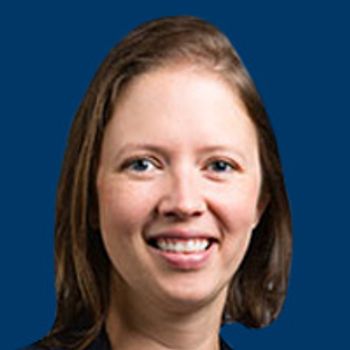
Jennifer W. Carlisle, MD, highlights the research surrounding immunotherapy in frontline lung cancer treatment.
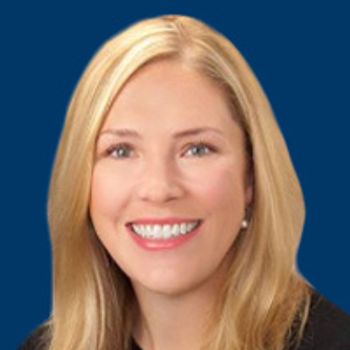
Michelle M. Boisen, MD, discusses the role of neoadjuvant chemotherapy in advanced ovarian cancer and data comparing outcomes with this modality versus upfront surgery.