Robert A. Winn, MD, discussed his path to becoming a physician, scientist, and leader at Fox Chase Cancer Center.
Robert A. Winn, MD, discussed his path to becoming a physician, scientist, and leader at Fox Chase Cancer Center.

A Fox Chase Cancer Center study will evaluate a tumor-informed, whole-genome sequencing–based test to assess recurrence risk in early-stage NSCLC.
Robert A. Winn, MD, has been named the next cancer center director for Fox Chase Cancer Center.
Unlike conventional radiation therapy systems, adaptive radiotherapy creates a new plan for each treatment session, allowing clinicians to deliver larger doses of radiation to tumors more safely.

A ctDNA blood test predicted metastatic risk, but not local recurrence, after bladder-sparing cancer treatment.
Radiation therapy administered prior to surgery rarely shrinks retroperitoneal tumors in sarcoma according to Fox Chase Cancer Center researchers.
SpotitEarly, an early cancer detection startup that uses AI and trained canines to identify cancer odor signatures in breath samples, today announced a strategic partnership with Fox Chase Cancer Center.

Researchers discovered that the oncogene ERG triggers cancer by reprogramming prostate basal cells.
T-cell redirecting therapies can be safely monitored within the home of patients, limiting hospital visits according to researchers at Fox Chase.
Fox Chase Cancer Center’s Namrata ‘Neena’ Vijayvergia, MD, an expert in gastrointestinal cancers and rare NETs, was recently recognized by two NET advocacy groups for her contributions to the field.

A new method enhances the ability of artificial intelligence models to detect and diagnose skin cancer in individuals with darker skin.
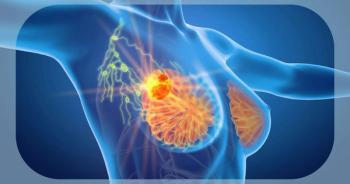
The NAPBC has renewed Fox Chase Cancer Center’s accreditation, making it the sixth consecutive time Fox Chase has been honored with this distinction.
Fox Chase Cancer Center revealed for the first time that cancer cells can evade anti-cancer drugs by entering and surviving within bone marrow fibroblasts.
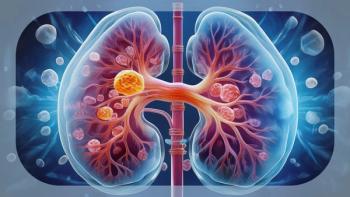
Genetic testing could help determine differences between rare forms of kidney cancer.
Richard Bleicher, MD, FACS, discusses using a novel method to analyze tumor growth rates.
New research from Fox Chase Cancer Center uncovers mechanisms of breast cancer resistance to CDK4/6 inhibitors and offers innovative treatment strategies.
In a study recently published by researchers at Fox Chase Cancer Center, patients being treated for retroperitoneal sarcoma at multiple facilities experienced longer delays between diagnosis and treatment.
In a study recently published by researchers at Fox Chase Cancer Center, patients being treated for retroperitoneal sarcoma at multiple facilities experienced longer delays between diagnosis and treatment.
Fox Chase Cancer Center Researcher secures funding to investigate toxicity reduction in bladder cancer treatment.
Fox Chase Cancer Center researcher Adria Hasan honored with scholar-in-training award from American Association for Cancer Research.
Jonathan Chernoff, MD, PhD, Cancer Center Director of Fox Chase Cancer Center, was recently elected to the Association of American Physicians (AAP).
Physicians at Fox Chase Cancer Center have begun accepting patients for a new clinical trial looking at the effectiveness of a HAI pump along with standard chemotherapy.
Removing and testing more lymph nodes during surgery was associated with more accurate staging and better survival rates for patients with colon cancer.
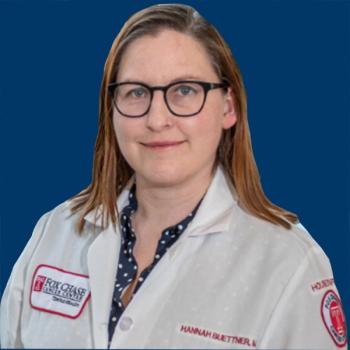
Results from a study presented by Fox Chase Cancer Center suggest that chemotherapy followed by local excision is a promising treatment option for patients with node-negative low rectal cancer.

Jaye Gardiner, PhD, postdoctoral fellow at Fox Chase Cancer Center to receive a grant from the nonprofit Uplifting Athletes during its Young Investigators Draft.
Fox Chase Cancer Center’s Biosample Repository Facility was recently awarded reaccreditation by the College of American Pathologists based on the results of an on-site inspection.
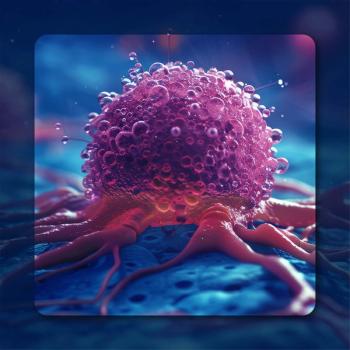
Researchers at Fox Chase Cancer Center published 2 reviews on the role of AKT, also known as protein kinase B, in the development and treatment of cancer.

Starting treatment within 60 days of initial evaluation significantly improves survival rates for patients with rectal cancer.
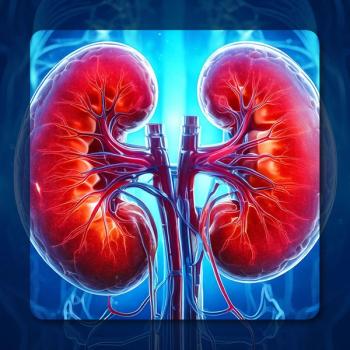
Some patients with metastatic kidney cancer achieving a good response to a combination therapy can safely stop or pause treatment after 2 years.
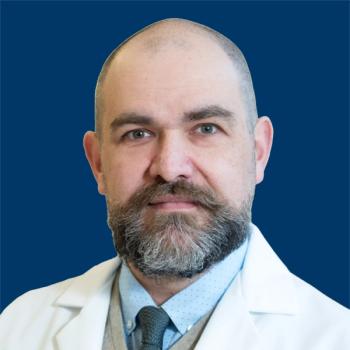
Fox Chase Cancer Center announced the hiring of Michael Noonan, DO, MS, as an Assistant Professor in the Supportive Oncology and Palliative Care Program.
January 17th 2025