Articles by Giselle Sholler, MD
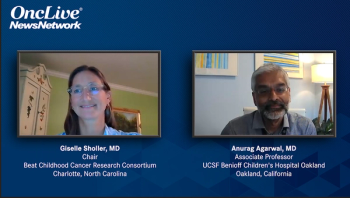
Giselle Sholler, MD, and Anurag Agrawal, MD, close their discussion with a look at the future of neuroblastoma treatment, highlighting research being done in areas such as immunotherapies, CAR T-cell therapy, and genomics for more targeted approaches aiming to enhance patient outcomes.
Giselle Sholler, MD, and Anurag Agrawal, MD, explain how proper preparation, a well-trained team, and multidisciplinary support are crucial for managing the adverse effects from anti-GD2 monoclonal antibody agents like naxitamab.
Drs Sholler and Agrawal detail recent studies on naxitamab and dinutuximab demonstrating effectiveness in treating recurrent or refractory neuroblastoma, leading to their FDA approvals, and significantly influencing treatment practices.
Key opinion leaders address the treatment of recurrent or relapsed high-risk neuroblastoma, emphasizing the efficacy of antibody therapies naxitamab and dinutuximab, which target neuroblastoma cells, and the significance of post-induction therapy to enhance patient outcomes before transplantation.
Experts review updated data from the LEAHRN study presented at the ASCO 2023 Annual Meeting highlighting the long-term toxicities experienced by high-risk neuroblastoma patients, particularly hearing loss, and the potential to modify treatments to reduce these effects.
Anurag Agrawal, MD, discusses how refractory and relapsed neuroblastoma is differentiated, and the typical treatment approaches for both.
Giselle Sholler, MD, outlines the currently available treatment options for neuroblastoma based on a patient’s risk status.
Dr Giselle Sholler details the role of CURIE scores in measuring bone disease and metastatic spread in neuroblastoma, with a score greater than 12 indicating a worse prognosis.
Anurag Agrawal, MD, explains his approaches to diagnosing neuroblastoma, including urine markers, imaging, and bone marrow sampling, and emphasizes age and disease dissemination as major prognostic indicators alongside genetic predisposition and treatment response.
Giselle Sholler, MD, provides an overview of neuroblastoma, highlighting that 50% of all diagnosed cases in the US are considered high-risk, with a relapse rate of over 40%.


