
OncLive announced the 2026 Giants of Cancer Care honorees, recognizing oncology leaders advancing research, care, and innovation.
OncLive announced the 2026 Giants of Cancer Care honorees, recognizing oncology leaders advancing research, care, and innovation.
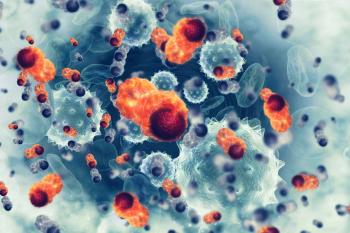
On April 4, 2025, a select group of international experts in dermatologic oncology participated in a live workshop to discuss treatment options in high-risk or locally advanced/metastatic melanoma and non-melanoma skin cancers in an evolving treatment landscape. Caroline Robert, MD, PhD, led the discussion, obtaining perspectives on the available evidence about immunotherapy options and insights into treatment preferences for high-risk cutaneous squamous cell carcinoma that is either locally advanced (laCSCC) or metastatic (mCSCC) and advanced/metastatic cutaneous melanoma.
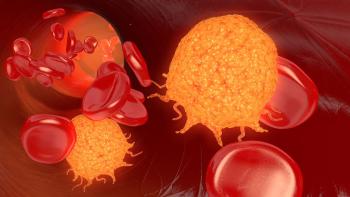
On February 13, 2025, a select group of experts in chronic lymphocytic leukemia (CLL) participated in a virtual workshop to discuss the evolving treatment landscape of CLL and discussed subjects ranging from treatment of newly diagnosed patients to therapies for those relapsed/refractory (R/R) disease. Moderated by Alexey V. Danilov, MD, PhD, the discussion covered insights into emerging treatment approaches, novel therapeutic strategies, and sequencing of available therapies to optimize patient outcomes. This article was supported in part by Eli Lilly. Content independently developed and published by OncLive.
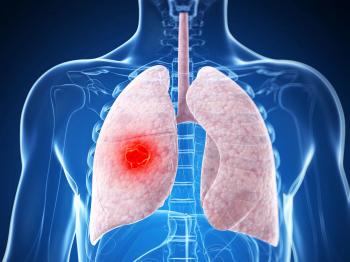
On January 30, 2025, a group of thoracic oncologists gathered for an in-person workshop to discuss advances in diagnosing and treating non–small cell lung cancer (NSCLC) related to an HER2 mutation. The session was moderated by Joshua Sabari, MD; and Benjamin Levy, MD. As they focused on HER2 biomarker testing, treatment sequencing, and emerging therapies (including antibody-drug conjugates [ADCs] and TKIs), the faculty reviewed clinical trial data, shared real-world experiences, and debated evolving treatment strategies.
OncLive and the Ruesch Center for the Cure of GI Cancers announce the winners of the 2024 Luminary Awards in GI Cancers.
The types of conversations that breast oncologists should have with their patients with breast cancer before initiating T-DM1, and recommendations for managing treatment-related adverse events.
Marcia Brose, MD, PhD, FASCO, explains how she counsels and monitors patients with differentiated thyroid cancer and indicators to initiate therapy.
Impressions regarding the management of a 62-year-old woman with HER2-postive breast cancer who received adjuvant T-DM1 treatment following neoadjuvant TCHP and has signs of residual disease.
The pros and cons of thyrotropin suppression as treatment for patients with differentiated thyroid cancer.
Criteria used by endocrinologists/oncologists to establish goals of therapy for patients with differentiated thyroid cancer, and recommendations for active surveillance.
An overview of antibody-drug conjugate therapies available for patients with metastatic breast cancer and triple-negative breast cancer based on outcomes demonstrated in clinical trials.
Marcia Brose, MD, PhD, FASCO, and Maria E. Cabanillas, MD, compare the use of molecular testing for radioactive iodine-refractory differentiated thyroid cancer at their institutions and highlight predictive and prognostic biomarkers.
Allison Butts, PharmD, BCOP, describes what antibody-drug conjugates are and explains the role in metastatic breast cancer treatment.
Exciting therapeutic strategies in the HER2-positive metastatic breast cancer space that demonstrate potential in addressing gaps in treatment.
A small panel of breast oncologists recognize growing interest in understanding the role of HER2 expression in metastatic breast cancer.
Expectations regarding future treatment guidelines in HER2-positive metastatic breast cancer as a result of therapeutic advances.
The typical diagnostic work-up for patients with advanced differentiated thyroid cancer, the rationale for treating patients with radioactive iodine (RAI), and a definition of RAI-refractory disease.
Signs and symptoms of differentiated thyroid cancer and recommendations for establishing an accurate diagnosis.
Naifa L. Busaidy, MD, FACP, FACE, comments on risk factors associated with the subtypes of thyroid cancers.
Giuseppe Barbesino, MD, highlights the various types of thyroid cancers and comments on how their differences impact management.
Variables that affect second-line treatment decisions in HER2-positive metastatic breast cancer.
Recommendations regarding how to best treat a patient with HER2-positive metastatic breast cancer who has previously received multiple lines of therapy, including T-DM1.
Reactions to presentations from ESMO 2021 that demonstrated the potential of various new treatment approaches for use in HER2-positive metastatic breast cancer.
Key takeaways from updates to the HER2CLIMB study in HER2-positive metastatic breast cancer.
The importance of multidisciplinary care in chronic lymphocytic leukemia and proper patient education on adverse events associated with novel targeted therapies.
Common toxicities associated with novel targeted therapies, such as BTK inhibitors, used to treat chronic lymphocytic leukemia, and recommendations on how to manage with dose adjustments.
Recommendations for using novel targeted therapies to treat chronic lymphocytic leukemia in the frontline setting.
Oncology hematology health care professionals from Memorial Sloan Kettering Cancer Center discuss how to manage a 67-year-old woman with chronic lymphocytic leukemia who develops progressive fatigue and night sweats.
Staging criteria used in the diagnosis of chronic lymphocytic leukemia, and recommendations for talking with patients about molecular testing results and goals of therapy.
Published: March 10th 2025 | Updated: April 25th 2025
December 6th 2021
Published: March 10th 2025 | Updated: April 25th 2025
December 17th 2021
