
In our exclusive interview, Marc J. Braunstein, MD, PhD, provides perspective on data in the upfront and relapsed/refractory settings regarding the use of triplet and quadruplet regimens, novel agents, and cellular therapies.
In our exclusive interview, Marc J. Braunstein, MD, PhD, provides perspective on data in the upfront and relapsed/refractory settings regarding the use of triplet and quadruplet regimens, novel agents, and cellular therapies.
In our exclusive interview, Bradley J. Monk, MD, FACS, FACOG, and Maurie Markman, MD, discuss the rationale behind maintenance therapy, pivotal PARP inhibitor trials in the frontline setting, and the importance of shared-decision making.
In our exclusive interview, Don S. Dizon, MD, FACP, FASCO, discusses the primary physical and residual psychological effects of gynecologic cancers on women’s sexual health, the challenges of broaching these topics in the clinic, and the role oncologists play in helping patients manage these difficulties.
In our exclusive interview, Michael Wang, MD, discusses the FDA approval of brexucabtagene autoleucel in mantle cell lymphoma and ongoing research aimed at optimizing the safety and persistence of the product.
In our exclusive interview, Courtney DiNardo, MD, MSCE, discusses the role of venetoclax in acute myeloid leukemia and explains the significance of the results of the VIALE-A trial.
In our exclusive interview, Jonathan W. Riess, MD, MS, discusses the excitement surrounding KRAS G12C inhibitors in non–small cell lung cancer, preliminary efficacy and safety data with AMG 510, and additional research regarding co-mutations and combinations that could lead to further refinement of the potential role of the agent in the landscape.
In our exclusive interview, Dr. Aggarwal, Dr. Sequist, and Dr. Pennell provided perspective on the results of the ADAURA trial and addressed the potential clinical and financial concerns of using osimertinib in the adjuvant setting in patients with EGFR-mutant NSCLC.
In our exclusive interview, Alexander Drilon, MD provided background on use of targeted therapy in advanced non–small cell lung cancer, discussed the frequency of RET alterations, and expanded on the data from the LIBRETTO-001 trial that led to the accelerated approval of selpercatinib.
In our exclusive interview, Shiraj Sen, MD, PhD, and Roman Groisberg, MD, discuss key takeaways from the 2020 ASCO Virtual Scientific Program on exciting efforts being made in the field of sarcoma.
In our exclusive interview, Dr. Cho and Dr. Ghobrial discuss the inspiration for the MMRF CureCloud, how it advances precision medicine, and the long-term goals of the study for patients and physicians alike.
In our exclusive interview, Dr. Jordan explains how he became “The Father of Tamoxifen,” details his work with British Special Forces during the Cold War, and discusses how his career in science started by setting his parents’ house on fire.
Edgardo S. Santos, MD, discusses the data that led to the approval of the combination of ramucirumab and erlotinib in EGFR-mutant metastatic non–small cell lung cancer and shared his thoughts on its utility in the frontline setting.
In our exclusive interview, Alexander Drilon, MD, discusses some of the historical challenges of targeting KRAS and provided perspective on available and anticipated data with AMG 510 in non–small cell lung cancer.
Benjamin Weinberg, MD, shares the clinical implications of how data from the 2020 ASCO Virtual Scientific Program may impact in the treatment of patients with colorectal cancer and projects what the future may hold in the space.
In our exclusive interview, Neeraj Agarwal, MD, discusses the recent FDA approval of olaparib in homologous recombination repair–mutant metastatic castration-resistant prostate cancer.

The FDA has approved pembrolizumab (Keytruda) for patients with recurrent or metastatic cutaneous squamous cell carcinoma that is not curable by surgery or radiation.
In our exclusive interview, Everett Vokes, MD, discusses the path that led him to specialize in head and neck cancer and lung cancer, personal and professional challenges he encountered along the way, and the ultimate importance of bringing multimodality therapy to the forefront of treatment.
The FDA has approved selinexor for the treatment of adult patients with relapsed or refractory diffuse large B-cell lymphoma (DLBCL), not otherwise specified, including DLBCL arising from follicular lymphoma, after at least two lines of systemic therapy.
In our exclusive interview, Dr. Hegazi, shed light on nutrition-related issues among patients with cancer, early intervention strategies for patients who experience loss of muscle mass and function, and the use of specialized nutrients to prevent muscle degradation.
The US Food and Drug Administration has extended the indication of gemtuzumab ozogamicin (Mylotarg) for newly diagnosed CD33-positive acute myeloid leukemia to include pediatric patients 1 month and older.
In our exclusive interview, Suresh S. Ramalingam, MD, discusses the FDA approval of nivolumab plus ipilimumab for the first-line treatment of patients with metastatic non–small cell lung cancer.
In our exclusive interview, Dr. Gradishar shares the path that led him to specialize in the field of breast cancer, collective experiences that have inspired him throughout his career, and his hope for the continued transition from “shotgun medicine” to precision medicine in the field.
The FDA has approved pegfilgrastim-apgf, a biosimilar to pegfilgrastim, to decrease the incidence of infection, as manifested by febrile neutropenia, in patients with nonmyeloid malignancies receiving myelosuppressive anticancer drugs associated with a clinically significant incidence of febrile neutropenia.

Join us for a live broadcast on Wednesday, June 17, 2020 at 5 PM PST and 8 PM PST.
Omid Hamid, MD, highlights key abstracts in melanoma as they relate to the optimal duration and sequencing of checkpoint inhibitors, adoptive cell therapy, and subgroups of patients with mucosal melanoma and brain metastases.
Omid Hamid, MD, highlights key abstracts in melanoma as they relate to the optimal duration and sequencing of checkpoint inhibitors, adoptive cell therapy, and subgroups of patients with mucosal melanoma and brain metastases.
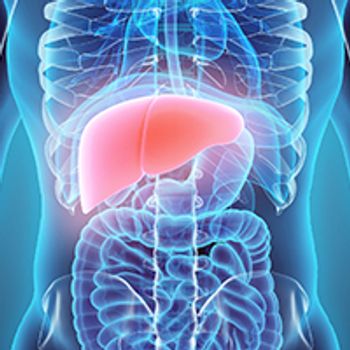
This Onclive® webinar will focus on best practices and multidisciplinary approaches in the management of hepatocellular carcinoma and the impact of the COVID-19 pandemic on treatment selection in patients with HCC. Join us Thursday, June 23, 2020 at 8 PM EST.
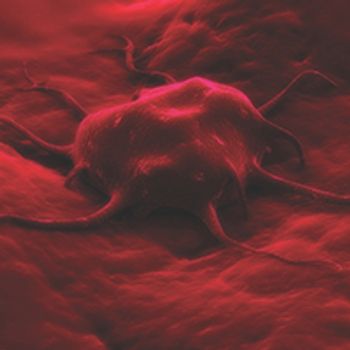
This OncLive® webinar will focus on the delivery of cellular therapeutics, particularly chimeric antigen receptor (CAR) T- Cells in High-Risk Non-Hodgkin Lymphoma. Join us Tuesday, June 30, 2020 at 7 PM EST.
In our exclusive interview, Dr. Luke and Dr. Davar discuss the evolution of adjuvant therapy in melanoma from interferon alpha to checkpoint inhibition to targeted therapy, the potential advantages of neoadjuvant therapy, and the relative risk-benefit ratio of using these agents in the curative setting.
Mudit Chowdhary, MD, shares advice for family members living with patients with cancer, projects the long-term implications of the COVID-19 pandemic on clinical practice, provides insight on the effects of investigational treatments for patients with COVID-19, and details the protocols Rush University Medical Center has put into place to limit the spread of the virus.