Roswell Park researchers identified a promising strategy to overcome resistance to KRAS-targeted cancer therapies.
Roswell Park researchers identified a promising strategy to overcome resistance to KRAS-targeted cancer therapies.
A Roswell Park–led phase 1/2 trial found bevacizumab plus pazopanib extended progression-free and overall survival in kidney cancer.
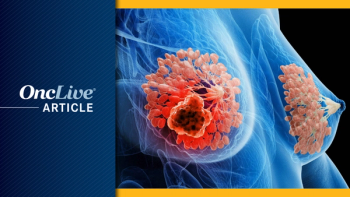
A protein called MPP8 helps drive chemotherapy resistance in the most-aggressive subtype of breast cancer, and suppressing its expression has the potential to improve treatment outcomes.
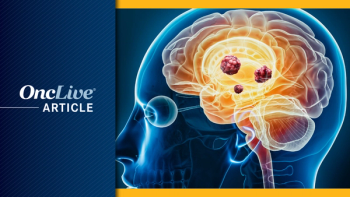
MimiVax and Roswell Park announced phase 2b SURVIVE trial results evaluating the SurVaxM vaccine in newly diagnosed glioblastoma.
Roswell Park Comprehensive Cancer Center has earned national recognition in 2026 from the American Medical Association as a Joy in Medicine organization.
Roswell Park Comprehensive Cancer Center recognized members of its clinical, research and healthcare teams during the second annual Excellence Awards.
Roswell Park Comprehensive Cancer Center unveiled a new and more compact mobile lung cancer screening unit.
Roswell Park Comprehensive Cancer Center broke ground on an expansion of the Roswell Park Broadview Community Outreach and Engagement Center.
Obesity can weaken the immune system and lead to disease progression, but Roswell Park experts revealed that exercise may reverse that effect.
Lisa Niswander, MD, PhD, of Roswell Park, is investigating ways to combine CAR T cells and a new class of targeted cancer drugs for younger leukemia.
New research explains what triggers liposarcoma cells to become more or less aggressive and identifies potential targets for aggressive tumors.
New insights on early detection, cancer biology and surgical innovation in head and neck cancer highlighted at international research meeting.
Roswell Park Comprehensive Cancer Center received a grant to advance CAR T-cell therapy research in pediatric AML.
Roswell Park Comprehensive Cancer Center investigators will deliver 21 presentations at the AHNS 12th International Conference on Head and Neck Cancer.
Roswell Park researchers showed that blocking a novel metabolic pathway severely restricts tumor proliferation.
In a Roswell Park study, changes focused on standardization of care and donor selection, contributing to a 1-year overall survival rate of 92.6%.
Roswell Park Comprehensive Cancer Center announces the release of an operative surgical manual for surgeons performing bladder cancer surgeries.
Eleven Western New York organizations received funding to advance cancer prevention and early detection.
Roswell Park Comprehensive Cancer Center launched a phase 2 trial evaluating SurVaxM plus temozolomide in progressing neuroendocrine tumors.
A 10-week resistance program boosted cancer survivors’ strength, immune function, and gut microbiome.
New research highlights a promising investigational treatment using ziftomenib in a difficult-to-treat form of acute myeloid leukemia.
Roswell Park Comprehensive Cancer Center researchers will share key data at the 2026 ASCO Annual Meeting.
Researchers from Roswell Park led key studies presented at the 2026 AUA Annual Meeting.
Members of Roswell Park Comprehensive Cancer Center participated in the 2026 World Indigenous Cancer Conference.
Roswell Park Comprehensive Cancer Center launched a phase 2 trial evaluating SurVaxM plus temozolomide in progressing neuroendocrine tumors.
Research from Roswell Park Comprehensive Cancer outlines other potential uses for CDK inhibition in breast cancer management.
A preclinical study reveals that impaired functioning of 2 enzymes contributes to the development and progression of precancerous lesions in the pancreas.
Researchers at Roswell Park Comprehensive Cancer Center developed a two‑step therapeutic strategy designed to selectively eliminate tumors driven by TP53 mutations.
Roswell Park Comprehensive Cancer Center launched a trial of a new CAR T-cell therapy for AML that has relapsed or persisted despite earlier treatment.
Roswell Park Comprehensive Cancer Center researchers are investigating whether CAR T-cell therapy could target some of the most common autoimmune diseases.