
Tovecimig plus paclitaxel improved objective response over paclitaxel alone in previously treated advanced biliary tract cancer in COMPANION-002.
Tovecimig plus paclitaxel improved objective response over paclitaxel alone in previously treated advanced biliary tract cancer in COMPANION-002.
Adding LK101 to tislelizumab-based first-line maintenance yielded early antitumor activity and signs of immune activation in advanced NSCLC.
Adding durvalumab and enfortumab vedotin around cystectomy extended survival in muscle-invasive bladder cancer without cisplatin options.
Adding pembrolizumab to adjuvant radiation did not meet prespecified superiority criteria in patients with stage I/II high-intermediate–risk dMMR endometrioid endometrial cancer in the phase 3 NRG-GY020 trial.
Adding tarlatamab-dlle to durvalumab maintenance extended survival in extensive-stage small cell lung cancer in the phase 3 DeLLphi-305 trial.
Adding intismeran autogene to pembrolizumab cut the risk of recurrence and distant metastasis in resected high-risk melanoma in INTerpath-001.
Adding darolutamide to androgen deprivation and primary or salvage radiation lowered metastasis risk in very high-risk localized prostate cancer.

INCA33890 combined with standard-of-care therapy produced responses in first- and third-line metastatic microsatellite stable colorectal cancer.
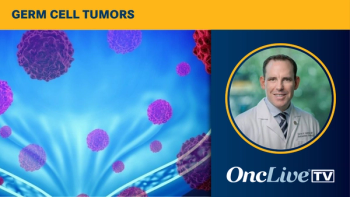
Darren R. Feldman, MD, details early response and disease control findings with a claudin 6–directed antibody-drug conjugate in relapsed germ cell tumors.

An exploratory TROPION-Breast02 analysis showed CNS PFS and intracranial response benefits with datopotamab deruxtecan in TNBC with brain metastases.
Adding durvalumab to BCG induction and maintenance reduced high-risk recurrences in patients with papillary-only bladder tumors in POTOMAC.
Interim DUO-E data showed longer median survival with chemotherapy plus durvalumab and olaparib maintenance that did not reach significance.
Perioperative enfortumab vedotin plus pembrolizumab showed no clinically meaningful HRQOL detriment in cisplatin-eligible MIBC.
Circulating tumor DNA findings from CROWN tied TP53 status and tumor fraction to outcomes with first-line lorlatinib in ALK-positive lung cancer.

Johanna Enke, MD, discusses safety findings from a phase 2 study of lutetium Lu 177 vipivotide tetraxetan rechallenge in mCRPC.
Neoadjuvant T-DXd produced faster imaging responses vs ddAC in DESTINY-Breast11, but imaging poorly predicted pCR.

Abemaciclib plus fulvestrant showed a numerical yet nonsignificant overall survival trend after CDK4/6 inhibitor progression in final postMONARCH data.

INCB123667 with bevacizumab showed antitumor activity in heavily pretreated, cyclin E1–overexpressing platinum-resistant ovarian cancer.
Selective CDK4 inhibitor atirmociclib plus fulvestrant reduced risk of progression or death by 40% vs investigator's choice of therapy in the phase 2 FOURLIGHT-1 trial.
Signifcant efficacy improvements were shown with iza-bren in HR+/HER2-negative breast cancer.
The claudin 6–targeted antibody-drug conjugate ixotatug vedotin showed antitumor activity in recurrent germ cell tumors, including after transplant.
An exploratory analysis of the phase 3 KEYNOTE-B15 trial found that ctDNA status was strongly prognostic for event-free survival regardless of treatment arm.
The KEYNOTE-866 trial did not meet its EFS primary end point with perioperative pembrolizumab added to neoadjuvant cisplatin and gemcitabine.
The sacituzumab govitecan, enfortumab vedotin, and zimberelimab triplet produced early, durable responses in untreated metastatic urothelial cancer.
Surufatinib plus serplulimab and cisplatin/etoposide produced a 69.8% ORR in advanced extrapulmonary neuroendocrine carcinoma.
Efficacy outcomes in KEYNOTE-905 were consistent with a contribution of both enfortumab vedotin and pembrolizumab in cisplatin-ineligible MIBC.
Patient-reported outcomes from the phase 3 lidERA trial show preserved functioning and less frequent joint pain with giredestrant vs standard endocrine therapy.
Arcotatug tavatecan improved PFS and OS vs physician’s choice in previously treated, CLDN18.2-positive advanced gastric and GEJ cancer.
Exploratory subgroup analyses of the phase 2 DOVACC trial suggested a possible signal with the triplet in HRD-negative and PARP inhibitor–naive disease.

Perioperative nivolumab plus neoadjuvant chemotherapy did not significantly improve pCR rate or event-free survival in MIBC.