
Dr. Yuri Nikiforov, from the University of Pittsburgh, on Molecular Testing to Diagnose Cancerous Thyroid Nodules.
Dr. Yuri Nikiforov, from the University of Pittsburgh, on Molecular Testing to Diagnose Cancerous Thyroid Nodules.
A blanket approach to the use of radioactive iodine may not be necessary in many patients with papillary thyroid cancer provided they undergo expert total thyroidectomy first.
The availability of molecular agents that target oncogenic signaling pathways now offers the possibility of achieving disease stabilization in a proportion of patients with metastatic medullary thyroid cancer.

The initial surgical procedure performed for the management of medullary thyroid cancer is the best chance surgeons have for a cure.

Coverage from the 2012 European Society for Medical Oncology congress, held at the Austria Center Vienna from September 28 - October 2, in Vienna, Austria.
Dr. David Spigel, from the Sarah Cannon Research Institute, discusses the rapidly evolving non-small cell lung cancer treatment landscape.

Dr. Karen Reckamp, from City of Hope, evaluates the predictive efficacy of the pretreatment serum test VeriStrat for non-small cell lung cancer.

Patients with refractory non-small cell lung cancer had a statistically significant improvement in PFS when treated with targeted therapy duo versus a single agent.
A common mutation in NSCLC confers resistance to tyrosine kinase inhibitors and worsens survival, creating a need for an alternative approach to treating the subgroup of patients with the mutation.
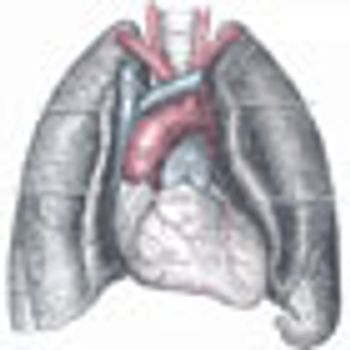
Patients with advanced non-small cell lung cancer lived twice as long when they received an indirect angiogenesis inhibitor plus docetaxel instead of docetaxel alone.

A brief introduction to the topics and focus of the 2012 Chicago Multidisciplinary Symposium in Thoracic Oncology.

Jeffrey Crawford, MD, from Duke University Medical Center, on Managing Febrile Neutropenia.
A compilation of photos from the 2012 combined conferences of the Multinational Association of Supportive Care in Cancer (MASCC) and the International Society of Oral Oncology (ISOO).

Dr. Jimmie Holland, from Memorial Sloan-Kettering Cancer Center, on the Stigma Toward Psychosocial Care.

Recent evidence shows that some of the newer molecularly targeted therapies can cause diarrhea, which can lead to dose reductions and alterations.
Although molecularly targeted agents can cause cardiac damage, it appears to be reversible and related to cellular dysfunction, as distinct from agents such as anthracyclines that cause cellular death and irreversible cardiac dysfunction.
Dr. Richard Gralla, from the Quality of Life Research Associates, on Chemotherapy-Induced Nausea and Vomiting.
Dr. Kathleen Foley, from Memorial Sloan-Kettering Cancer Center, Discusses the World Health Organization Guidelines for Cancer Pain Management.

Dr. Steven Grunberg, from the Vermont Cancer Center, Describes the 2012 Multinational Association of Supportive Care in Cancer Symposium.

Control of chemotherapy-induced nausea and vomiting (CINV) has come a long way in the past 30 years. Thirty years ago, about 10% of patients had complete control of emesis; in the 1990s about 50% had complete control. Today about 85% of patients treated with highly emetogenic chemotherapy have complete control of emesis.
Treatment of febrile neutropenia (FN) has dramatically improved over the past 3 decades, but there is room for improvement, according to Jean Klastersky, MD, Institut Jules Bordet, Brussels, Belgium.
Dr. Michael P. Link, ASCO President, from Stanford University School of Medicine, on the top stories from the 2012 ASCO Annual Meeting.

Photos taken at the 2012 ASCO Annual Meeting held at the McCormick Place in Chicago, Illinois, from June 1-5, 2012.
Dr. Marie Wood, from the University of Vermont, on Family Histories and Genetic Counseling for Breast and Colorectal Cancers.
The newer and more expensive breast cancer treatments nab-paclitaxel and ixabepilone, failed to demonstrate superior efficacy versus standard care with weekly paclitaxel.
The antidepressant duloxetine relieved pain associated with chemotherapy-induced peripheral neuropathy for 59% of patients.
Only half of those with breast cancer and one-quarter of those with colon cancer were referred for genetic counseling or testing by their physicians.
Drug manufacturers are working with the FDA to report anticipated shortages earlier and ensure alternative sources of needed drugs are available.
Dr. Hope Rugo, from the UCSK Comprehensive Cancer Center, on the First-line Superiority of Paclitaxel for Advanced Breast Cancer.

Trametinib and dabrafenib delayed disease progression and showed a trend toward improved survival in patients with advanced melanoma.