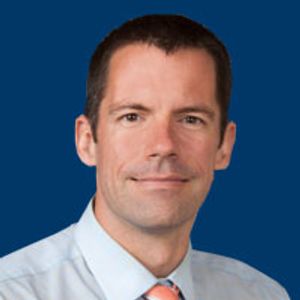
Nathan Bahary, MD, discusses results of a study that showed that the combination of indoximod with standard chemotherapy yielded a response rate of 42% as a first-line therapy for patients with metastatic pancreatic adenocarcinoma.
Nathan Bahary, MD, discusses results of a study that showed that the combination of indoximod with standard chemotherapy yielded a response rate of 42% as a first-line therapy for patients with metastatic pancreatic adenocarcinoma.

Palbociclib may have antiproliferative effects when used as a neoadjuvant therapy for women with early stage breast cancer.

A form of immunotherapy that harnesses the power of CD4 T-cells was shown to be safe and effective in patients with various types of metastatic cancers.

Treatment with ensituximab (NPC-1C), a chimeric IgG1 monoclonal antibody, induced stable disease in nearly half of patients with chemotherapy-refractory metastatic colorectal cancer without contributing significant toxicity.
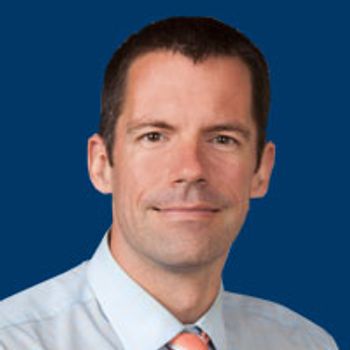
Patients with pancreatic adenocarcinoma enrolled on clinical trials have “profoundly improved survival†compared with patients in the general population, suggesting that oncologists who use trial data to prognosticate may be missing the mark.

Genomic and proteomic characterization of pancreatic cancer tumors can effectively be used to prescreen patients for clinical trials exploring molecularly matched targeted therapies.

An updated analysis of the STAMPEDE trial upholds the survival benefit observed with early use of docetaxel in advanced prostate cancer, but does not support the introduction of zoledronic acid.

Expert panel members highlight the latest NCCN guideline recommendations.

Lanreotide improved progression-free survival and resulted in more disease control compared with an observation strategy among patients with pancreatic neuroendocrine tumors.

Expanded analysis of the NAPOLI-1 trial's per-protocol population continues to support the benefit of adding the nanoliposomal encapsulation of irinotecan MM-398 to 5-fluorouracil plus leucovorin for the treatment of patients with metastatic pancreatic cancer who were previously treated with gemcitabine.

Among patients with metastatic gastric cancer treated with the anti-PD-1 monoclonal antibody pembrolizumab, the agent showed promising antitumor activity and a manageable toxicity profile.

The addition of trastuzumab to fulvestrant prolonged responses compared with fulvestrant alone for certain patients with metastatic breast cancer.

The first results from the I-SPY 2 trial, which is evaluating novel agents in the neoadjuvant treatment of breast cancer, show encouraging possibilities for veliparib (ABT-888) and neratinib (PB272).
Studies presented at the 2014 GI Cancers Symposium emphasized the need for full RAS mutational analyses in the management of metastatic colorectal cancer prior to initiating treatment with anti-EGFR monoclonal antibodies.

The first results from the novel the I-SPY 2 trial show encouraging possibilities for a veliparib/carboplatin combination therapy in TNBC.

The addition of carboplatin to standard neoadjuvant chemotherapy increased pathologic complete response rates in patients with triple-negative breast cancer.

The benefit of screening mammography is more consistent across studies than has previously been thought, according to an analysis of key screening studies presented at the 2013 San Antonio Breast Cancer Symposium.

Breast cancer patients with PI3KCA mutations are less likely to achieve a pathological complete response from dual HER2 blockade in the neoadjuvant setting.

Cetuximab plus FOLFIRI may offer a survival advantage over FOLFIRI plus bevacizumab in the first-line treatment of patients with KRAS wild-type metastatic colorectal cancer who do not have RAS mutations.

Panitumumab proved noninferior to cetuximab in extending overall survival in patients with chemorefractory KRAS wild-type metastatic colorectal cancer.

Regorafenib significantly delays disease progression in virtually all subgroups of patients with GIST in the second-line setting, and may even confer benefits when continued after progression.

The addition of ifosfamide to doxorubicin in the treatment of advanced soft tissue sarcomas delayed disease progression but did not improve survival.
Two analyses, two different conclusions in Asian START trial when docetaxel was added to S-1 for patients with previously untreated advanced or recurrent gastric cancer.

Universal tumor testing and a detailed personal and family history assessment are recommended for all patients with newly diagnosed colorectal cancer.

The chemotherapy safety standards developed by ASCO and ONS were recently updated to reflect the fact that chemotherapy is delivered in a variety of settings.

Treatment of head and neck cancer often leaves patients with aftereffects that are bothersome at the very least and life-altering at their worst.

Nurses play vital roles in assuring that patients with metastatic castration-resistant prostate cancer (mCRPC) are optimally treated with sipuleucel-T.
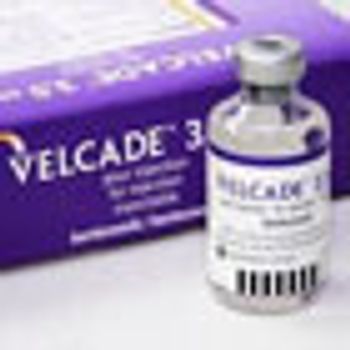
The phase III VISTA trial upholds a persistent and statistically significant survival benefit for bortezomib in previously untreated multiple myeloma patients.

Treatment with GA101 (obinutuzumab) in patients with relapsed non-Hodgkin lymphoma (NHL) resulted in higher response rates compared with rituximab.

First drug targeting Bruton's tyrosine kinase (Btk) produced high rates of remission in patients with CLL.

April 7th 2016

April 8th 2016