

Although much has changed in cancer therapeutics, chemotherapy-induced nausea and vomiting remains a significant and much-feared adverse effect of treatment for many patients.
Although much has changed in cancer therapeutics, chemotherapy-induced nausea and vomiting remains a significant and much-feared adverse effect of treatment for many patients.

While ovarian cancer survival rates have improved slightly since the 1970s, the overall five-year survival for patients diagnosed with the tumor type lags behind the average rate of all cancers.

Hans-Peter Gerber has been building a program to develop novel biotherapeutics for oncology, including antibody-drug conjugates, at the Pfizer Oncology Research Unit in Pearl River, New York.
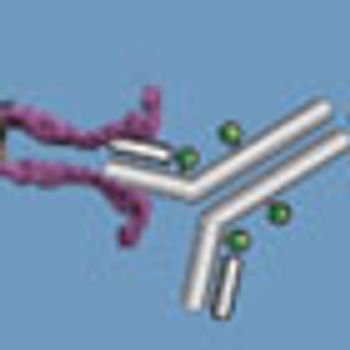
Antibodies directed against tumor cell antigens or overexpressed proteins are currently the fastest-growing class of targeted cancer therapeutics.

A summary of findings from the 43rd Annual Meeting on Women's Cancer with the potential to impact routine management of women with pelvic malignancies.

Three medical societies have joined in endorsing low-dose computed tomography screening for patients at high risk of developing lung cancer.
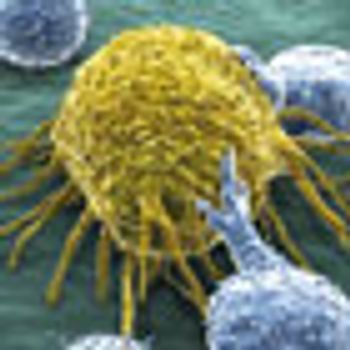
Immunotherapy is maintaining its momentum in clinical development programs, with explorations under way in many tumor types, including breast and lung cancers previously considered poor candidates for such modalities.

Most recurrent endometrial tumors have the same PI3K/Akt mutation profile as found in the primary tumor.

A recent study suggests patients may be selected for therapy based on the number of EGFR gene copies, and evaluated for clinical benefit based on the severity of the rash that often develops.