
Michael R. Bishop, MD, discusses the rationale for and key findings from the FELIX trial of obe-cel in B-cell acute lymphoblastic leukemia.
The Evolving Approaches to ALL Treatment: CAR T-cell Therapy publication covers some of the latest practice-changing advances as it relates to emerging therapeutic strategies for patients with acute lymphoblastic leukemia.
Michael R. Bishop, MD, discusses the rationale for and key findings from the FELIX trial of obe-cel in B-cell acute lymphoblastic leukemia.
Michael R. Bishop, MD, discusses the FELIX study, highlighting the safety of obe-cel in B-cell acute lymphoblastic leukemia.
Karamjeet Singh Sandhu, MD, discusses outcomes from a pooled analysis of the FELIX study in relapsed/refractory B-cell acute lymphoblastic leukemia.

Obecabtagene autoleucel elicited durable responses in patients with relapsed or refractory B-cell acute lymphoblastic leukemia independent of leukemic burden at lymphodepletion, although better outcomes were observed in those with lower burden.
Sameem Abedin, MD, discusses where CAR T-cell therapy falls in the treatment paradigm for B-cell acute lymphoblastic leukemia, the known safety profile of obe-cel as evidenced in early studies, and how findings from the FELIX trial could change the future management of this disease.
Paul J. Shaughnessy, MD, discusses the unique properties of obecabtagene autoleucel in B-cell acute lymphoblastic leukemia and how findings from the FELIX trial support further research into the benefits of CAR T-cell therapy in patients with hematologic malignancies.
Paul J. Shaughnessy, MD, discusses the potential of the phase 1/2 FELIX trial to address unmet needs in relapsed/refractory B-cell acute lymphoblastic leukemia.
Elias Jabbour, MD, discusses the current and emerging roles of CAR T-cell therapy in B-ALL, emphasizes the importance of testing patients for MRD when determining CAR T-cell treatment strategies, and highlights how obe-cel, with its favorable safety profile, may address unmet needs related to CAR T-cell toxicities.
Elias Jabbour, MD, discusses the importance of testing for minimal residual disease when determining optimal treatment strategies for patients with B-cell acute lymphoblastic leukemia.
Pere Barba, MD, PhD, discusses the safety of obecabtagene autoleucel in patients with relapsed or refractory B-cell acute lymphoblastic leukemia.
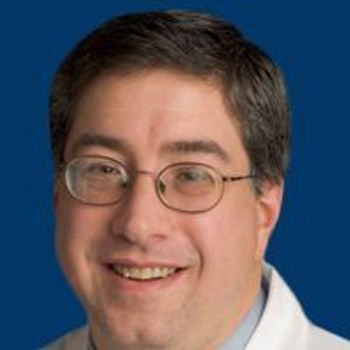
Daniel DeAngelo MD, PhD, discusses the data seen with obecabtagene autoleucel as a novel treatment in the CAR T-cell arena, emphasizes unmet needs in B-cell acute lymphoblastic leukemia, and highlights important next steps in the study of obe-cel.
Daniel J. DeAngelo, MD, PhD, discusses rates of cytokine release syndrome with obecabtagene autoleucel in acute lymphoblastic leukemia.
Efforts are underway to evaluate novel, durable treatment options for adult patients with relapsed or refractory B-cell acute lymphoblastic leukemia in the phase 1b/2 FELIX trial evaluating obecabtagene autoleucel, a novel, second-generation CAR T-cell therapy.
Jae Park, MD, discusses dosing strategies utilized in the phase 1/2 FELIX trial in relapsed/refractory acute lymphoblastic leukemia.
Claire Roddie, MD, discusses the potential utilization of obecabtagene autoleucel in relapsed/refractory acute lymphoblastic leukemia.
Claire Roddie, MD, PhD, discusses how the phase 1/2 FELIX trial could impact the treatment landscape for acute lymphoblastic leukemia, how CAR T-cell therapies have evolved, and what challenges remain in making these treatments more accessible for patients.
The safety and efficacy of the CD19-targeted CAR T-cell therapy obecabtagene autoleucel in the treatment of adult patients with relapsed or refractory B-cell acute lymphoblastic leukemia as part of the phase 1/2 FELIX trial.