
Scientific Interchange & Workshop
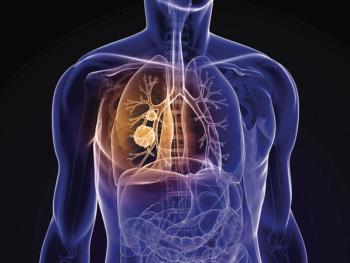

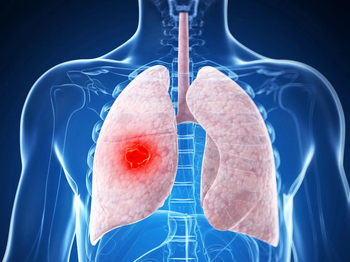
Daniel SW Tan, PhD, MBBS, BSc, and other thoracic oncology experts outline evolving treatment considerations and approaches for patients with advanced non–small cell lung cancer.
During an OncLive® Scientific Interchange and Workshop held on December 8, 2025, Ralph Boccia, MD, FACP, was joined by other experts in the field of CLL/SLL to discuss how data presented during the 2025 ASH Annual Meeting & Exposition could shift the role of BTK inhibitors in relapsed/refractory CLL/SLL. The faculty members also discussed the progress of multiple BTK degraders that are in early-phase development.
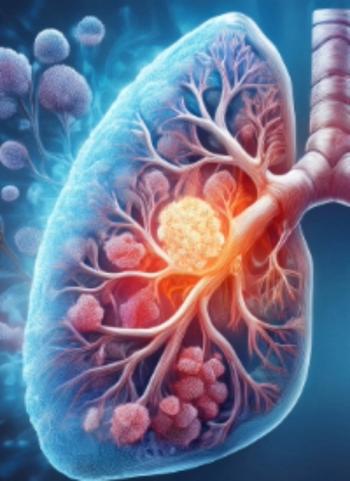
On September 7, 2025, a select group of US medical and thoracic oncologists from academic and cancer specialty institutions participated in a workshop held in conjunction with the 2025 International Association for the Study of Lung Cancer World Conference on Lung Cancer to evaluate the current and emerging therapeutic strategies in the treatment of EGFR-mutant advanced NSCLC.
On October 19, 2025, during the ESMO Congress in Berlin, Germany, a panel of experts met for a live workshop on advancing treatment in melanoma and other skin cancers.
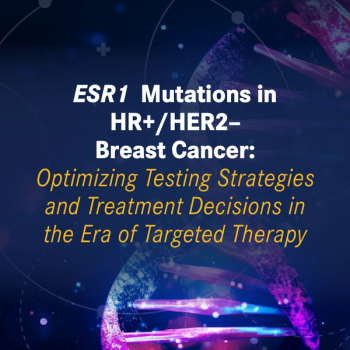
On October 6, 2025, a panel of medical oncologists specializing in advanced breast cancer participated in a virtual workshop to examine the optimization of testing strategies and treatment decisions for ESR1-mutated HR+/HER2- metastatic breast cancer.
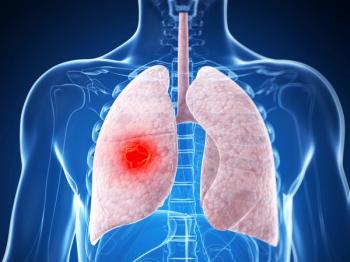
On August 7, 2025, a select group of hematologist-oncologists and medical oncologists from academic and cancer specialty institutions participated in a virtual workshop moderated by Joshua Sabari, MD, where they discussed insights and considerations for identifying and managing HER2-mutated non–small cell lung cancer, and provided perspectives on recently presented data from trials evaluating antibody-drug conjugates and TKIs for this patient population.
On September 10, 2025, a panel of hematologists and oncologists participated in a virtual workshop to examine the evolving treatment landscape in chronic lymphocytic leukemia.
On July 24, 2025, during the International Lung Cancer Congress in Huntington Beach, California, a panel of thoracic oncology experts met for a live workshop on HER2-mutated NSCLC.
On May 31, 2025, a select group of US medical and thoracic oncologists from academic and cancer specialty institutions participated in a workshop held in conjunction with the 2025 Annual Meeting of the American Society of Clinical Oncology in Chicago, Illinois. The participants discussed current and emerging therapeutic strategies in treating patients with EGFR-mutant (EGFRm),advanced non–small cell lung cancer (NSCLC). The session was moderated by Helena Yu, MD, who led discussions on managing the balance between improved efficacy outcomes and increased toxicity with combination therapies, and sequencing strategies for first-line and subsequent treatments.
On June 13, 2025, a select group of experts in multiple myeloma (MM) participated in an OncLive® scientific interchange and workshop to discuss treatment strategies in relapsed/refractory MM (R/R MM). Moderated by Peter Voorhees, MD, the discussion covered insights on the evolving role of CAR T, emerging therapies that may impact the current treatment landscape, and various treatment strategies with bispecific antibodies in R/R MM.
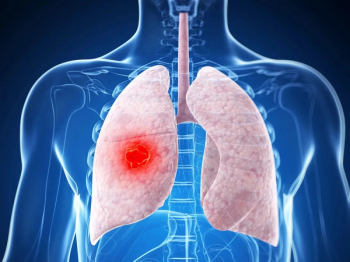
On June 1, 2025, OncLive® convened a group of early career medical oncologists specializing in thoracic malignancies to discuss pivotal abstracts from the 2025 Annual Meeting of the American Society of Clinical Oncology (ASCO 2025). The session was moderated by Eric K. Singhi, MD, with faculty providing real-world perspectives on emerging therapies, treatment sequencing challenges, and evolving biomarker strategies. The discussion centered on antibody-drug conjugates (ADCs), targeted therapies for oncogene-driven NSCLC, perioperative treatment approaches, and novel diagnostic tools.
On June 2, 2025, a group of oncologists gathered for an in-person workshop at the 2025 Annual Meeting of the American Society of Clinical Oncology to discuss advances in cutaneous squamous cell carcinoma (cSCC) treatment. Moderated by Soo Park, MD, the session focused on adjuvant, high-risk neoadjuvant and metastatic treatment, including the use of immune checkpoint inhibitors (ICIs). Faculty reviewed clinical trial data, shared real-world experiences, and debated evolving treatment strategies.
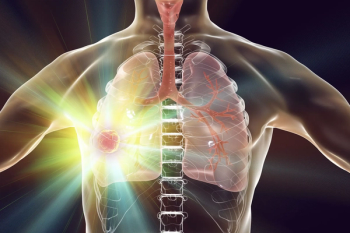
On May 6, 2025, a select group of US medical oncologists and 1 radiation oncologist from academic and cancer specialty institutions participated in a virtual workshop to discuss insights and considerations for identifying and managing HER2-mutant non–small cell lung cancer (NSCLC). The session was moderated by Joshua K. Sabari, MD, who obtained perspectives on testing for and management of HER2 NSCLC and recent trials of antibody-drug conjugates (ADCs) and tyrosine kinase inhibitors (TKIs) for the treatment of HER2-mutant NSCLC.

On April 4, 2025, a select group of international experts in dermatologic oncology participated in a live workshop to discuss treatment options in high-risk or locally advanced/metastatic melanoma and non-melanoma skin cancers in an evolving treatment landscape. Caroline Robert, MD, PhD, led the discussion, obtaining perspectives on the available evidence about immunotherapy options and insights into treatment preferences for high-risk cutaneous squamous cell carcinoma that is either locally advanced (laCSCC) or metastatic (mCSCC) and advanced/metastatic cutaneous melanoma.
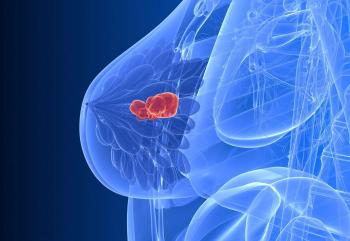
On March 8, 2025, a select group of experts in breast cancer (BC) participated in a live workshop to discuss the place of oral selective estrogen receptor degraders (SERDs) in treating hormone receptor–positive/HER2-negative (HR+/HER2–) metastatic BC (MBC). Moderated by Hope S. Rugo, MD, the discussion included the role of oral SERDs as monotherapy or in combination, the optimal integration of SERDs into standard-of-care therapies, and practical approaches including biomarker testing and toxicity management.
On February 13, 2025, a select group of experts in chronic lymphocytic leukemia (CLL) participated in a virtual workshop to discuss the evolving treatment landscape of CLL and discussed subjects ranging from treatment of newly diagnosed patients to therapies for those relapsed/refractory (R/R) disease. Moderated by Alexey V. Danilov, MD, PhD, the discussion covered insights into emerging treatment approaches, novel therapeutic strategies, and sequencing of available therapies to optimize patient outcomes.
This article was supported in part by Eli Lilly. Content independently developed and published by OncLive.
On January 30, 2025, a group of thoracic oncologists gathered for an in-person workshop to discuss advances in diagnosing and treating non–small cell lung cancer (NSCLC) related to an HER2 mutation. The session was moderated by Joshua Sabari, MD; and Benjamin Levy, MD. As they focusedon HER2 biomarker testing, treatment sequencing, and emerging therapies(including antibody-drug conjugates [ADCs] and TKIs), the faculty reviewed clinical trial data, shared real-world experiences, and debated evolving treatment strategies.

Disease Mechanisms, Diagnostic Challenges, and Multidisciplinary Treatment Strategies
The inaugural Bridging the Gaps in Breast Cancer meeting, held in November 2023, brought together breast cancer experts to discuss recent advances and complexities in the field. The experts identified areas that lacked consensus on treatment guidance. In July 2024, the group convened for a 6-month update to identify new data that emerged, gaps that had been addressed, and areas still in need of agreement to help inform development of a future consensus meeting and publication on agreed best practices to improve patient care. Insights from the 6-month update are captured here.
The inaugural Bridging the Gaps in Breast Cancer meeting, held in November 2023, brought together breast cancer experts to discuss recent advances and complexities in the field. The experts identified areas that lacked consensus on treatment guidance. In July 2024, the group convened for a 6-month update to identify new data that emerged, gaps that had been addressed, and areas still in need of agreement to help inform development of a future consensus meeting and publication on agreed best practices to improve patient care. Insights from the 6-month update are captured here.

Advertisement
Advertisement
Trending on OncLive
1
FDA Approves Tucatinib Plus Trastuzumab/Pertuzumab as First-Line Maintenance in Advanced HER2+ Breast Cancer
2
VIR-5500 Receives FDA Fast Track Designation in mCRPC
3
Iberdomide Plus Daratumumab/Dexamethasone Yields Significant PFS Benefit in R/R Myeloma
4
FDA Approves Atezolizumab Plus Chemo for Stage III dMMR Colon Cancer
5