TKI-based regimens were associated with higher rates of disease control in metastatic translocation renal cell carcinoma.
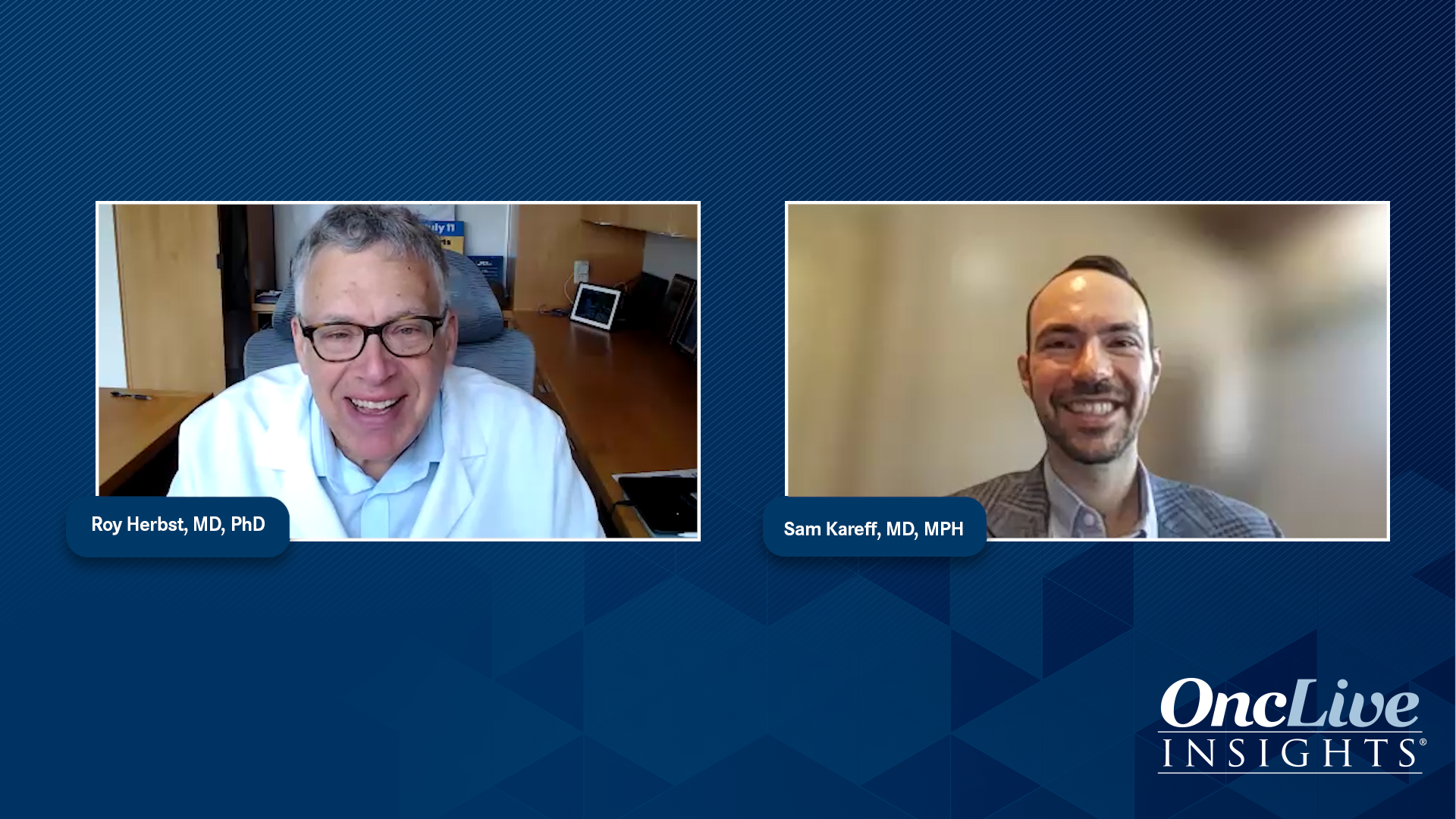
Dr. Herbst turns to the 8-year ADAURA overall survival data presented at the World Lung Conference, noting the trial's original primary endpoint was DFS, with OS first reported at ASCO approximately 3 years prior and now updated with 8 years of follow-up.
Dr. Herbst turns to the 8-year ADAURA overall survival data presented at the World Lung Conference, noting the trial's original primary endpoint was DFS, with OS first reported at ASCO approximately 3 years prior and now updated with 8 years of follow-up. He acknowledges the caveats inherent in extended post-trial follow-up including censored patients and incomplete re-contact of all original participants but asks Dr. Kareff for his overall interpretation.
Dr. Kareff describes the data as solidifying and reinforcing the ADAURA treatment approach. At the 8-year landmark, DFS estimates were 88% in the osimertinib arm versus 78% in the placebo arm (hazard ratio 0.49). OS estimates were 74% in the osimertinib arm versus 58% in the placebo arm (hazard ratio 0.53), with the stage IB to IIIA population showing a hazard ratio of 0.52. He argues these data leave little room for doubt about the value of adjuvant osimertinib for eligible patients with EGFR-mutated NSCLC, even while acknowledging that quality-of-life and dose negotiation discussions remain necessary in practice.
On the question of stage-specific thresholds, Dr. Kareff acknowledges that the survival benefit is most pronounced and least controversial in higher-stage disease (stage 3A), where hazard ratios are largest. For earlier stage disease (stage 1B and 1C), the data are supportive, the FDA label encompasses these stages, and he engages in more individualized conversations. Dr. Herbst expresses confidence that benefit at stage 1A will ultimately be demonstrated with sufficient patient numbers and anticipates that minimal residual disease monitoring may eventually allow more precise identification of which patients need adjuvant therapy and for how long.