Custom-targeted sequencing of pretreatment and posttreatment tumor biopsies uncovered distinct somatic mutation profiles distinguishing responders from non-responders to mogamulizumab-kpkc (Poteligeo) in patients with relapsed/refractory mycosis fungoides (MF) or Sézary syndrome (SS), according to a translational analysis of the phase 2 MOGA-2MG-Q4W trial (NCT04745234) presented at the 6th World Congress on Cutaneous Lymphomas.¹
The analysis evaluated responders, defined as those who achieved complete or partial response, and non-responders, defined by those who experienced stable or progressive disease; all patients received mogamulizumab after 1 prior systemic therapy.
Sequencing revealed a high frequency of mutations, including FAT1, FAT3, PCLO, TET2, and CTLA4, which were common in both responders and non-responders and consistent with previously reported cutaneous T-cell lymphoma (CTCL) disease drivers.
Differences in mutational profiles between responders and non-responders appeared beyond the shared drivers. Responders harbored mutations in genes associated with transcriptional regulation and T-cell activation, such as CREBBP and CD28, which lead study author Christiane Querfeld, MD, PhD, suggested may reflect enhanced immunologic signaling or increased vulnerability to CCR4-directed depletion via mogamulizumab. In non-responders, mutational profiles were enriched for mutations involving genes associated with chromatic modeling, such as MAGI1, EPB41L3, L3MBTL4, NCOR1, and SMARCB1, which could point to potential resistance pathways involving impaired transcriptional regulation, T-cell receptor (TCR) signaling alterations, or enhanced cell-survival programs.
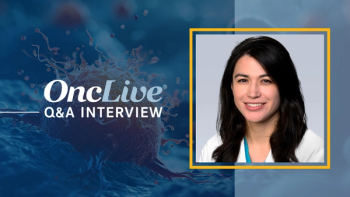
Querfeld is a professor of dermatology/dermatopathology in the Department of Pathology and director of the Cutaneous Lymphoma Program at City of Hope in Duarte, California.
In August 2018, the FDA approved mogamulizumab for the treatment of adult patients with relapsed or refractory MF or SS after at least 1 prior systemic therapy.2 That regulatory decision was backed by data from the phase 3 MAVORIC trial (NCT01728805).
What was the design and goal of the phase 2 MOGA-2MG-Q4W trial?
MOGA-2MG-Q4W was an open-label, multicenter, phase 2 study intended to evaluate the safety and tolerability of mogamulizumab given once every 4 weeks following initial weekly induction in adult patients with relapsed/refractory MF and SS.3 Notably, the current prescribing information for mogamulizumab recommends weekly doses at 1 mg/kg during the first 28-day cycle, then at 1 mg/kg once every 2 weeks in subsequent cycles.4
Key Translational Findings
- Responders and non-responders to mogamulizumab shared several core CTCL driver mutations.
- Responder-enriched mutations in CREBBP and CD28 may reflect heightened immune signaling or CCR4-directed vulnerability.
- Non-responder–enriched mutations spanned MAGI1, EPB41L3, L3MBTL4, NCOR1, and SMARCB1, and others linked to resistance pathways.
MOGA-2MG-Q4W enrolled patients at least 18 years of age with stage IB, IIA, IIB, III, or IV MF or SS who progressed on at least 1 prior systemic therapy.3 Patients with large-cell transformation, prior treatment with mogamulizumab, or a history or allogeneic stem cell transplant were excluded.
All patients received mogamulizumab at 1 mg/kg on days 1, 8, 15, and 22 of cycle 1, then at 2 mg/kg on day 1 of each subsequent cycle. Safety served as the trial’s primary end point.
Data presented at the 2025 ASH Annual Meeting showed that mogamulizumab given at 2 mg/kg every 2 weeks generated a similar safety profile compared with 1 mg/kg given once every 4 weeks.5
How did mutational findings Differ Between MF and SS?
Skin lesion biopsies from patients with MF and those with SS showed differences aligned with known disease biology, irrespective of response to mogamulizumab.1 Patients with MF were enriched for mutations in epigenetic and chromatin-regulatory genes, which could point to the need for combination therapy in select patients.
Patients with SS exhibited mutations in immune signaling pathways, which the authors noted may be associated with enhanced antibody-dependent cellular cytotoxicity and correlated with mogamulizumab-mediated response.
References
- Querfeld C, Arora P, Liu Y, et al. Targeted sequencing in patients with relapsed/refractory mycosis fungoides or Sézary syndrome treated with mogamulizumab in the MOGA-2MG-Q4W clinical trial. Presented at: 6th World Congress on Cutaneous Lymphomas; June 25-27, 2026; Montreal, Quebec, Canada.
- Kyowa Kirin announces FDA approval of Poteligeo (mogamulizumab-kpkc) for the treatment of mycosis fungoides and Sézary syndrome. News release. August 9, 2018. Accessed June 25, 2026. https://www.kyowakirin.com/media_center/news_releases/2018/e20180809_01.html
- Mogamulizumab Q4week dosing in participants with R/R CTCL. ClinicalTrials.gov. Updated April 25, 2024. Accessed June 25, 2026. https://clinicaltrials.gov/study/NCT04745234
- Poteligeo. Prescribing information. Kyowa Kirin. Updated February 2026. Accessed June 25, 2026. https://www.kkna.kyowakirin.com/uploads/PI-Poteligeo.pdf
- Scarisbrick J, Querfeld C, Akilov O, et al. A Phase 2, multicenter, open-label, single-arm study assessing a 4-weekly dosing schedule for mogamulizumab in patients with mycosis fungoides/Sézary syndrome (MOGA-2MG-Q4W). Blood. 2025;146(suppl 1):1875. doi:10.1182/blood-2025-1875