The top 5 OncLive TV videos of the week cover insights in breast cancer, PV, myeloma, and CLL.
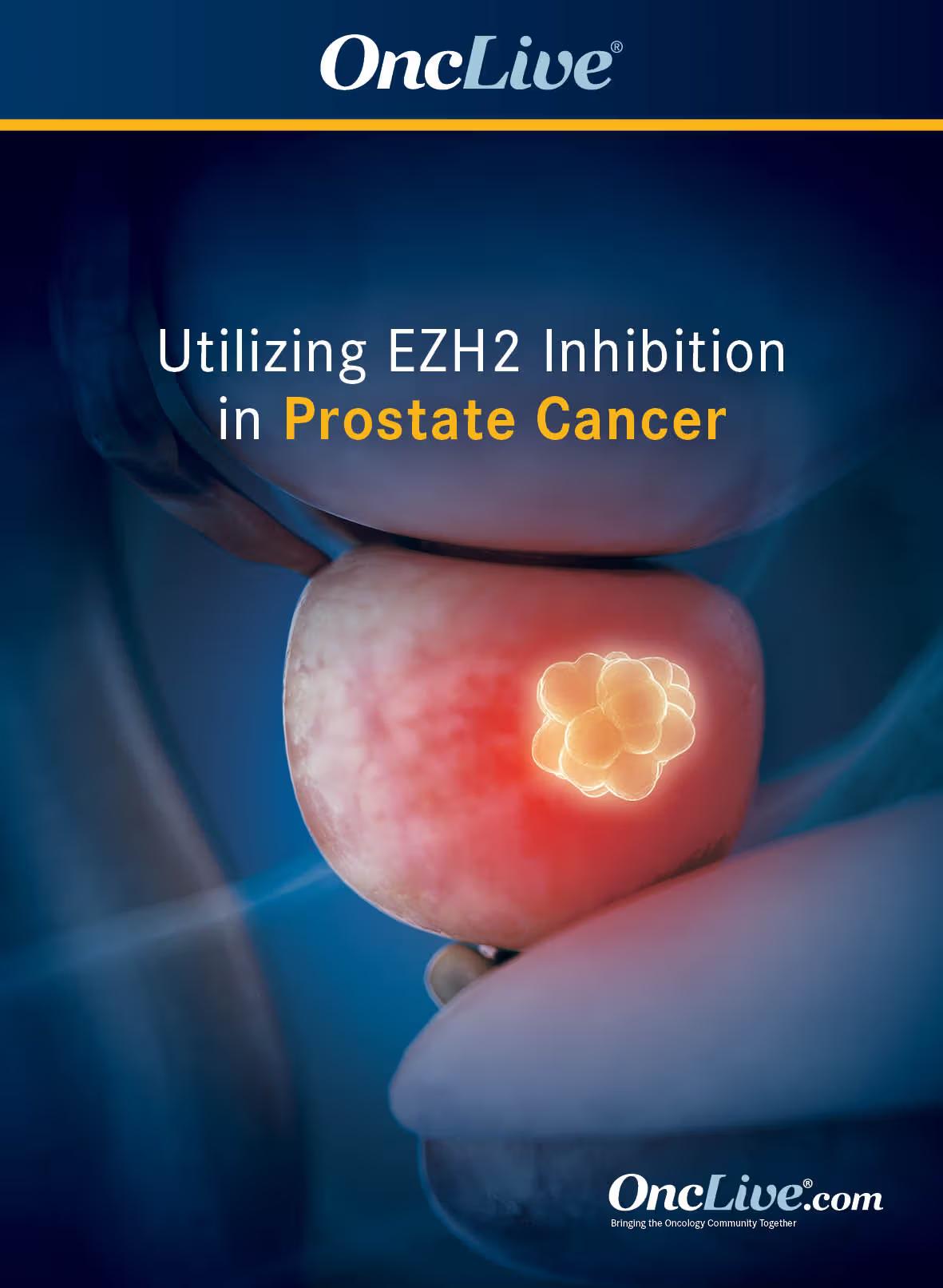
Alicia Morgans, MD, MPH, discusses safety concerns and AE management with mevrometostat in mCRPC.
“[These were] generally manageable adverse effects, and as we become more confident and use more EZH2 inhibitors [such as] mevrometostat in [patients with] prostate cancer, I believe that this will not be something that will limit our ability to treat patients.”
Alicia Morgans, MD, MPH, a genitourinary medical oncologist and the director of the Survivorship Program at Dana-Farber Cancer Institute, as well as an associate professor of Medicine at Harvard Medical School, discussed the safety profile of the EZH2 inhibitor mevrometostat (PF-06821497) in patients with metastatic castration-resistant prostate cancer (mCRPC), as well as approaches to managing associated adverse effects (AEs).
Morgans noted that mevrometostat is associated with gastrointestinal AEs such as diarrhea, nausea, and low appetite. Oncologists must also monitor for anemia and thrombocytopenia, which can be routinely managed. Additionally, fatigue and general weakness can occur with the agent, she added. Overall, the AE profile of mevrometostat is manageable and as oncologists become more familiar with using the drug, it will likely not limit who can be treated with the agent, she concluded.
Data from a phase 1 trial (NCT03460977) that were presented during the 2025
Additional data from the phase 1 study revealed that when mevrometostat was administered with food in combination with enzalutamide (n = 29), any-grade TEAEs (41.4%), TEAEs related to mevrometostat (31.0%), serious TEAEs (27.6%), serious TEAEs related to mevrometostat (13.8%), and TEAEs leading to mevrometostat discontinuation (10.3%) were reported. The most common any-grade TEAEs included diarrhea (44.8%) and thrombocytopenia (44.8%).
Mevrometostat in combination with enzalutamide (Xtandi) is set to be evaluated in patients with mCRPC in the phase 3 MEVPRO-1 (NCT06551324) and MEVPRO-2 (NCT06629779) trials.