The updated tarlatamab label reduces post-infusion monitoring after each of the first two doses to 6 to 8 hours, down from 22 to 24 hours.
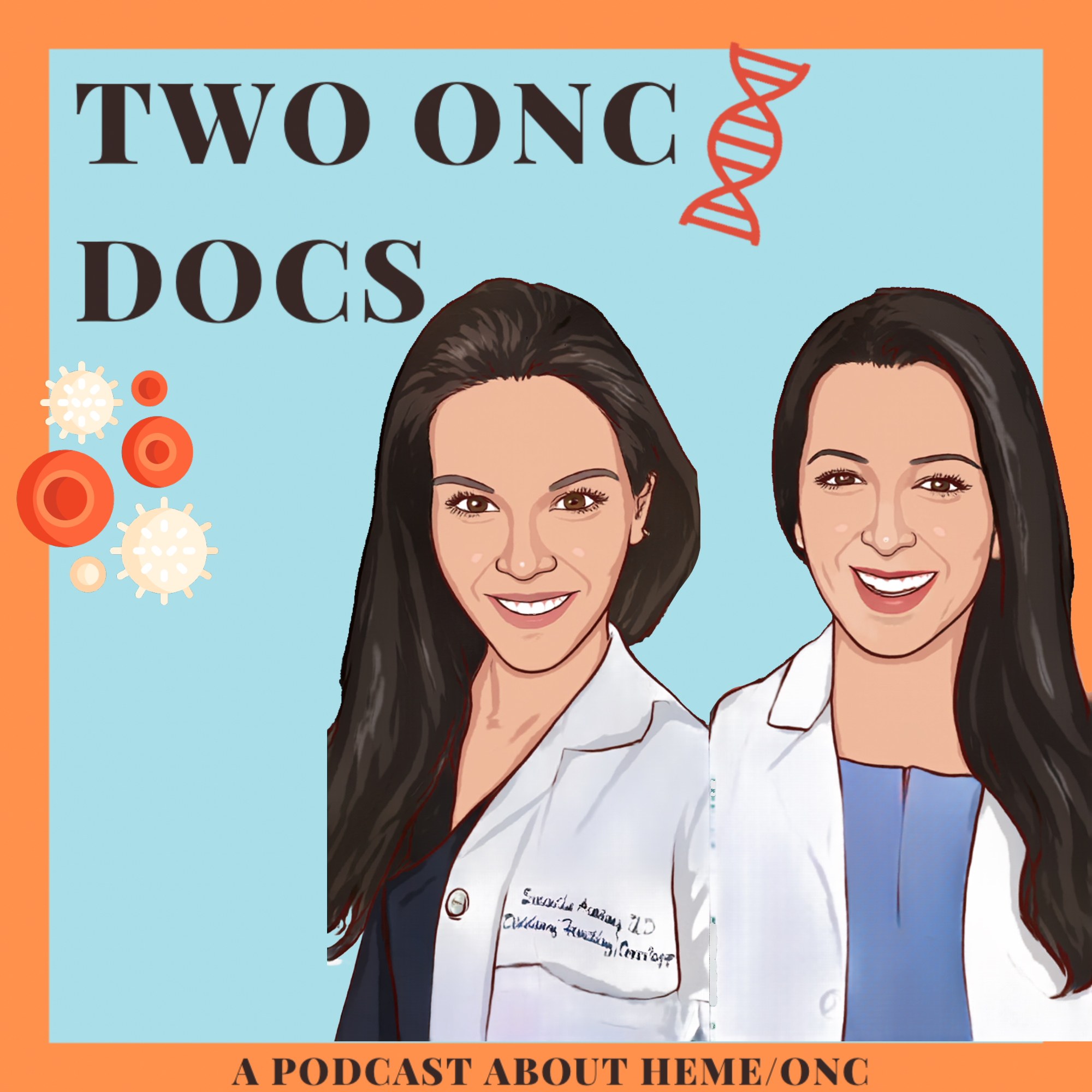
Drs Armstrong and Tawagi deliver a comprehensive, board-focused review of metastatic NSCLC diagnosis and management for 2026.
Two Onc Docs, hosted by Samantha A. Armstrong, MD, and Karine Tawagi, MD, is a podcast dedicated to providing current and future oncologists and hematologists with the knowledge they need to ace their boards and deliver quality patient care. Dr Armstrong is a hematologist/oncologist and assistant professor of clinical medicine at Indiana University Health in Indianapolis. Dr Tawagi is a hematologist/oncologist and assistant professor of clinical medicine at the University of Illinois in Chicago.
In this episode, OncLive On Air® partnered with Two Onc Docs to deliver a comprehensive, board-focused review of metastatic non–small cell lung cancer (NSCLC) diagnosis and management for 2026, reflecting the rapidly expanding treatment landscape that is growing to include chemotherapy, immunotherapy, and targeted agents.
The discussion began with molecular workup, emphasizing the importance of conducting upfront multigene next-generation sequencing plus PD-L1 testing by immunohistochemistry (IHC) for all nonsquamous disease, with HER2 and c-MET IHC now part of routine evaluation. Drs Armstrong and Tawagi stressed that circulating tumor DNA complements but does not replace tissue biospy, and that a targetable driver generally prompts the initiation of first-line targeted therapy, except in the case of KRAS G12C and NRG1 fusions.
Regarding EGFR-mutated disease, they reviewed 3 category 1 first-line options: osimertinib (Tagrisso) monotherapy, osimertinib plus chemotherapy, and amivantamab (Rybrevant) plus lazertinib (Lazcluze), cautioning against overlapping immunotherapy. They detailed post-osimertinib resistance testing and EGFR exon 20 insertions, then addressed ALK, ROS1, BRAF V600E, RET, MET exon 14, NTRK, and NRG1 alterations, noting preferred agents and characteristic toxicities, such as lorlatinib (Lorbrena)–associated hyperlipidemia.
Drs Armstrong and Tawagi also covered HER2-directed therapies, including fam-trastuzumab deruxtecan-nxki (Enhertu), as well as antibody-drug conjugates for EGFR-mutated and c-MET–high disease. For driver-negative disease, they stratified first-line therapy by PD-L1 status and histology, discussing immunotherapy monotherapy, chemoimmunotherapy, and dual checkpoint blockade, before reviewing second-line options for patients with or without prior immunotherapy.