
Mario M. Leitao, Jr, MD, FACOG, FACS, Leitao highlights the decision-making process for the placement of surgery in patients with newly diagnosed advanced ovarian cancer, as well as the use of hyperthermic intraperitoneal chemotherapy.
Mario M. Leitao, Jr, MD, FACOG, FACS, Leitao highlights the decision-making process for the placement of surgery in patients with newly diagnosed advanced ovarian cancer, as well as the use of hyperthermic intraperitoneal chemotherapy.
Jimmy J. Hwang, MD, sheds light on updates in both metastatic pancreatic cancer and advanced hepatocellular carcinoma that have created new complexities for researchers.
Celestia Higano, MD, FACP, discusses the potential for PARP inhibitors in patients with metastatic castration-resistant prostate cancer, as well as the role of darolutamide in nonmetastatic disease.
Benjamin P. Levy, MD, discusses the rise of checkpoint inhibitors in small cell lung cancer, an emerging targeted agent in non–small cell lung cancer, and the road that lies ahead in the overall landscape.
Kristin J. Richardson, MD, highlights advances made with CDK4/6 inhibitors in the treatment of patients with hormone receptor-positive metastatic breast cancer and forecasts where treatment is headed in this space.
Lazaros J. Lekakis, MD, discusses the promise of CAR T cells and some unanswered questions with this rapidly emerging therapy.
Craig Moskowitz, MD, discusses the role of PET imaging in the treatment of patients with Hodgkin lymphoma, weighs the pros and cons of A+AVD, and speaks to where future research is headed in the space.
Brian M. Shuch, MD, highlights the complex data with cytoreductive nephrectomy in renal cell carcinoma and offers advice on how to navigate the intricate treatment landscape.
Sara A. Hurvitz, MD, discusses recent updates in the paradigm and promising therapeutic strategies on the horizon for patients with HER2-positive metastatic breast cancer.
Amit Mahipal, MBBS, discusses navigating the complex treatment paradigm of metastatic colorectal cancer and sheds light on how recent advances are impacting the outlook of those affected by the disease.
Mario Sznol, MD, highlights recent advances made with immunotherapy in renal cell carcinoma and sheds light on what the future may hold.
Rutika Mehta, MD, MPH, discusses the current gastric cancer treatment landscape and sheds light on how emerging therapies could impact the paradigm.
Brian I. Rini, MD, discusses the next steps with tivozanib (Fotivda) and immunotherapy/TKI combinations in patients with metastatic renal cell carcinoma.
Sergio A. Giralt, MD, discusses recent data with allogeneic hematopoietic stem cell therapy and why this long-standing modality remains an integral part of treatment for patients with relapsed myeloma.
Jonathan R. Strosberg, MD, sheds light on the latest developments made in the complex treatment paradigm of gastroenteropancreatic neuroendocrine tumors.
Naiyer A. Rizvi, MD, highlights the progress made with immunotherapy in patients with NSCLC and shed light on where further research needs to go to move the needle forward.
Michael S. Lee, MD, sheds light on the treatment options available in the metastatic colorectal cancer space and highlights strategies poised to improve patient outcomes.
John Strickler, MD, highlights important data in the metastatic colorectal cancer space and challenges that remain for oncologists working in the field.
Edwin M. Posadas, MD, FACP, discusses recent prostate cancer data and sheds light on where emerging therapies may fit into this landscape.
Naval G. Daver, MD, stresses the importance of minimal residual disease testing, and highlights where research in the field is heading in order to achieve a higher cure rate in acute myeloid leukemia.
Mohammad Jahanzeb, MD, shares the challenges of real-world eligibility for immunotherapy in lung cancer and beyond.
Timothy L. Cannon, MD, discusses how pivotal clinical trials have impacted the gastric cancer treatment landscape.
Aiwu Ruth He, MD, PhD, discusses the newly crowded treatment landscape of hepatocellular carcinoma and highlights next steps for research.
Scott T. Tagawa, MD, discusses the potential of sacituzumab govitecan in advanced urothelial cancers and reflects on progress made in prostate cancer.
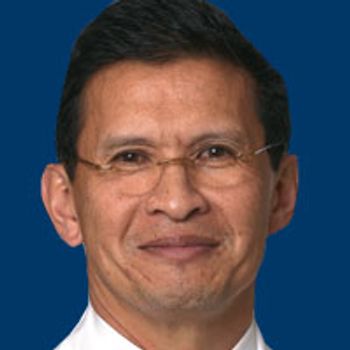
Raoul S. Concepcion, MD, FACS, discusses the clinical implications of the findings from the ARAMIS trial and highlights other therapies that are coming down the pike for the treatment of patients with castration-resistant prostate cancer.
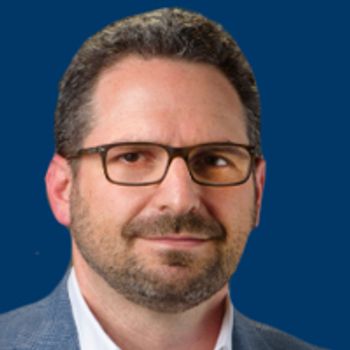
Matthew H.G. Katz, MD, FACS, highlights pivotal trials in pancreatic cancer and how these data are shifting the treatment paradigm for these patients.
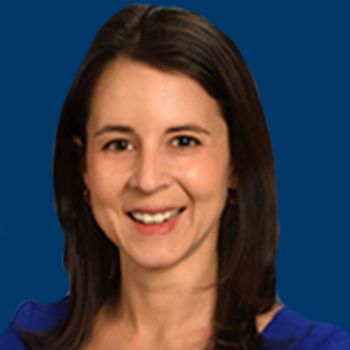
Jane L. Meisel, MD, discusses recent breakthroughs in the previously stagnant field of triple-negative breast cancer and what these advances mean for patients.
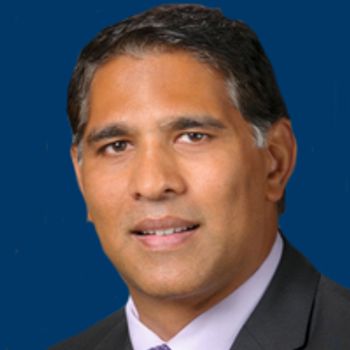
Sumit K. Subudhi, MD, PhD, discusses the promise of the combination of nivolumab and ipilimumab in patients with metastatic castration-resistant prostate cancer and the challenges that lie ahead with this treatment approach.
Nicole Lamanna, MD, highlights the latest MURANO data in CLL, delving into the need for more studies to test the feasibility of time-limited treatment in this patient population.
Benjamin A. Gartrell, MD, discusses the promise of SM-88 in this patient population, as well as other therapeutic options that are emerging for various prostate cancer subtypes.