
Tanios Bekaii-Saab, MD, discusses the ReDOS and IMblaze370 trials with regorafenib trials in metastatic colorectal cancer.
Tanios Bekaii-Saab, MD, discusses the ReDOS and IMblaze370 trials with regorafenib trials in metastatic colorectal cancer.
Sara M. Tolaney, MD, MPH, discusses developments in the treatment paradigms for patients with HR-positive or HER2-positive breast cancer.
Sunil Verma, MD, shares insight on the benefits and unanswered questions that remain with biosimilars in oncology.
Noopur Raje, MD, discusses the latest treatment advances in multiple myeloma.
Michael J. Overman, MD, discusses the current state of immunotherapy in patients with CRC and how to optimally manage immune-related adverse events.
Edward B. Garon, MD, discusseds early findings with pegilodecakin in non–small cell lung cancer.
Nikhil C. Munshi, MD, discusses the current treatment landscape of myeloma and potential next steps to further advancing care.
Ursula A. Matulonis, MD, highlights the activity and tolerability of niraparib and discusses other recent data in ovarian cancer.
David O'Malley, MD, discusses the emerging combination of mirvetuximab soravtansine plus bevacizumab and the evolving treatment landscape in ovarian cancer.
Stephanie L. Graff, MD, discusses the current and evolving landscape of breast oncology and what this means for patients.
Apar Kishor Ganti, MD, discusses some of the most intriguing abstracts in lung cancer recently presented at medical meetings.
James I. Geller, MD, describes the ongoing work in pediatric patients with rare rhabdoid tumors.
Kristopher R. Bosse, MD, discusses how D3-GPC2-PBD could impact pediatric neuroblastoma.
Susan Halabi, PhD, discusses the unexpected results of a survival disparity analysis of African-American and Caucasian patients with metastatic castration-resistant prostate cancer.

Tony Mok, MD, discusses the promise of dacomitinib for the frontline treatment of patients with EGFR-mutant NSCLC.
Arlene O. Siefker-Radtke, MD, discusses the promise of erdafitinib in patients with urothelial carcinoma.
Andre Goy, MD, shares insight on the new array of treatment options for mantle cell lymphoma and how to properly implement them.
Susan M. O'Brien, MD, discusses some of the latest intriguing data in the treatment of chronic lymphocytic leukemia and what this means for physicians and patients.
Cathy Eng, MD, highlights recent data that could shape the treatment landscape for several gastrointestinal cancers.
Ian W. Flinn, MD, PhD, discusses the latest developments with CAR T-cell therapies and other recent advances in the field of lymphoma.
Manish A. Shah, MD, shares insight on the challenges that remain in the treatment of esophageal and gastric cancers.
Suman Kambhampati, MD, discusses some of the latest developments in the treatment of patients with relapsed/refractory multiple myeloma.
Jianyu Rao, MD, discusses the evolution of pathology in gynecologic cancers.
Sara A. Hurvitz, MD, discussed targeted therapy advancements, the rise of trastuzumab biosimilars, and the future of HER2-positive breast cancer treatment.
Shilpa Gupta, MD, discusses the tolerability and safety of pembrolizumab and bevacizumab in renal cell carcinoma, as well as the future of bladder cancer treatment in the neoadjuvant setting.
Brian D. Crompton, MD, provides insight on the debate of liquid versus tissue biopsies, particularly in the setting of pediatric patients with sarcomas.
Robert J. Kreitman, MD, discusses the potential of moxetumomab pasudotox as a treatment for patients with hairy cell leukemia.
Benjamin P. Levy, MD, highlights the pros and cons of the different platforms for circulating tumor DNA detection, as well as the benefits and limitations of liquid biopsies.
Joshua Bauml, MD, discusses the limitations of PD-L1 and tumor mutational burden as immunotherapy biomarkers in non–small cell lung cancer and emerging biomarkers showing promise in the field.
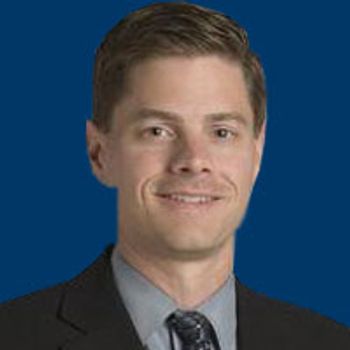
Brian I. Rini, MD, discusses atezolizumab plus bevacizumab as an effective frontline combination in renal cell carcinoma, as well as patient reported outcomes with the regimen.