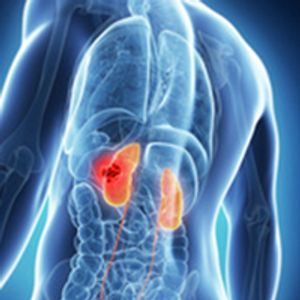
Confidence, support, and hard work paved the way for an exceptionally successful career for Edward S. Kim, MD, MBA, who has a cemented mission in diversifying clinical trials and improving quality of life.
Confidence, support, and hard work paved the way for an exceptionally successful career for Edward S. Kim, MD, MBA, who has a cemented mission in diversifying clinical trials and improving quality of life.

Targeted treatment as determined by mutational status was associated with ORR and PFS benefits in pretreated patients with metastatic solid tumors.

Talquetamab proved safe and effective for relapsed/refractory myeloma, even in patients with comorbidities.

Linvoseltamab elicited outcomes equivalent to those seen with teclistamab in patients with triple-class exposed relapsed/refractory multiple myeloma.
Amivantamab plus lazertinib improved progression-free survival vs osimertinib as frontline therapy in patients with high-risk, EGFR-mutant advanced NSCLC.

Four-year progression-free survival outcomes revealed the BrECADD regimen was superior to the eBEACOPP regimen, and BrECADD had a promising benefit-risk profile.

Most women who attempted to conceive following treatment for stage I to III breast cancer were able to become pregnant at least once.
Sub-optimal integration of HRR mutation testing into clinical practice leads to a negative impact on treatment selection and outcomes in mCRPC.

Favorable ECOG PS, lower LDH levels, and absence of BRAF and KRAS mutations at baseline were associated with long-term response to regorafenib in patients with mCRC in the real world.

Eileen M. O’Reilly, MD, traveled a serendipitous journey from Ireland to the United States, where she has made her mark on transforming gastrointestinal cancer treatment.

NX-2127 showcased early efficacy in the form of responses with an acceptable toxicity profile in patients with relapsed or refractory B-cell malignancies, according to data from the ongoing phase 1 NX-2127-001 trial.

Adjuvant ado-trastuzumab emtansine continued to improve overall survival and invasive disease-free survival vs trastuzumab after 8.4 years of follow-up in patients with HER2-positive early breast cancer and residual invasive disease following neoadjuvant therapy enrolled in the phase 3 KATHERINE trial.

A continued statistically significant improvement in iDFS was observed for patients with HR-positive, HER2-negative early-stage breast cancer who received ribociclib plus a nonsteroidal AI vs a nonsteroidal AI alone, according to the final iDFS analysis of the phase 3 NATALEE trial.

Treatment with belzutifan produced improvements in progression-free survival and objective response rate vs everolimus in patients with pretreated advanced clear cell renal cell carcinoma.

Acalabrutinib is safe in patients with chronic lymphocytic leukemia who are at least 80 years of age and/or frail.
The addition of nivolumab and ipilimumab to cabozantinib led to an improvement in disease control rate and progression-free survival vs cabozantinib alone in patients with metastatic soft tissue sarcoma.
A telephone and web-based weight loss intervention was successful in helping patients with breast cancer who were overweight or obese lose weight—which can ultimately lead to improved outcomes.

Fewer Americans are aware of the fact that the human papillomavirus can cause certain types of cancer, and vaccination rates against the virus are lagging, according to recent research presented at the AACR Annual Meeting 2023.
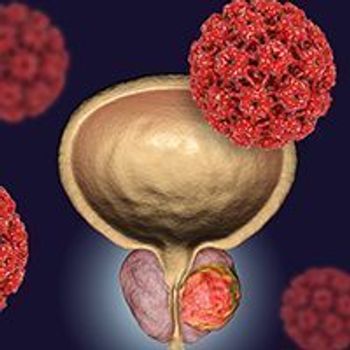
Sequencing treatment with Lutetium 177 PSMA-617 after radium-223 was safe and well tolerated and demonstrated similar overall survival in patients with metastatic castration-resistant prostate cancer regardless of whether they received 177Lu-PSMA-617 within 6 months or after 6 months of completing radium-223.

The use of frontline ibrutinib was associated with a longer time to next treatment compared with acalabrutinib in patients with chronic lymphocytic leukemia.

Zanubrutinib sustained high response rates and led to durable disease control with low incidence of hypertension and atrial fibrillation in patients with relapsed/refractory marginal zone lymphoma, according to findings from the final analysis of the phase 2 MAGNOLIA trial.
Lenvatinib plus pembrolizumab maintained clinically meaningful benefits in outcomes vs physician’s choice of therapy for patients with advanced endometrial cancer who received prior platinum-based chemotherapy.

Tiragolumab combined with atezolizumab plus carboplatin and etoposide demonstrated no additional survival benefits compared with atezolizumab plus chemotherapy alone in patients with treatment-naïve, extensive-stage small cell lung cancer.
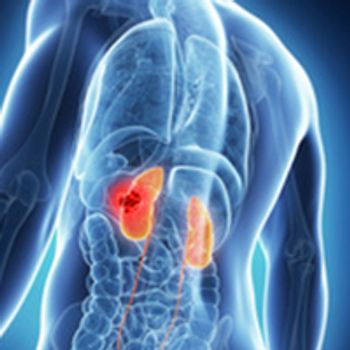
Patients with advanced renal cell carcinoma who received lenvatinib plus pembrolizumab experienced a longer time to progression on next line of therapy compared with those who received sunitinib.
Daratumumab plus induction/consolidation lenalidomide, bortezomib, and dexamethasone elicited higher minimal residual disease-negativity rates vs the RVd combination alone in patients with transplant-eligible newly diagnosed multiple myeloma, including those in high-risk subgroups.

Treatment with pacritinib demonstrated a comparable safety profile to best available therapies for the treatment of patients with myelofibrosis.

For Dawn Hershman, MD, MS, research and medicine are art forms that she uses to uplift and inspire every day.

Follow-up from the TIVO-3 trial showed that patients with pretreated relapsed/refractory renal cell carcinoma who received tivozanib were 5 times more likely to experience long-term progression-free survival compared with sorafenib.
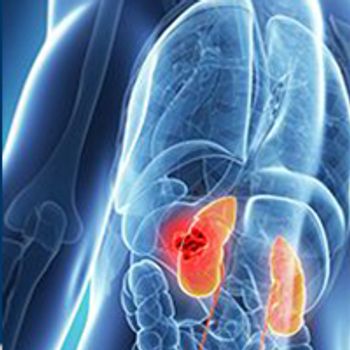
Frontline tivozanib was noninferior to other tyrosine kinase inhibitors for the treatment of patients with metastatic renal cell carcinoma in a real-world setting.
Prognostic awareness was associated with higher rates of psychosocial distress and symptom burden, and lower quality of life in patients with multiple myeloma.

January 14th 2021
October 21st 2023