

Rusfertide earned an FDA breakthrough designation for polycythemia vera based on findings from the phase 3 VERIFY study.

Jax DiEugenio joined MJH Life Sciences in 2024, first as an editorial intern before transitioning into a full-time assistant editor for OncLive. A recent College of New Jersey graduate, Jax majored in Journalism/ Professional Writing with minors in Public Health and Anthropology. He is also pursuing a Master's Degree in Public Health, concentrating on health communications.
Rusfertide earned an FDA breakthrough designation for polycythemia vera based on findings from the phase 3 VERIFY study.

Datopotamab deruxtecan is approved in China for hormone receptor–positive, HER2-negative metastatic breast cancer after prior endocrine therapy and chemotherapy.
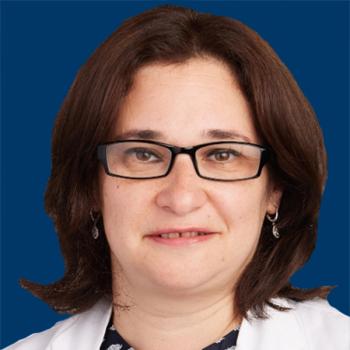
Marina Kremyanskaya, MD, PhD, discusses the investigation of divesiran in polycythemia vera.

David Olmos, MD, PhD, discusses CAPTURE study findings on the prevalence of HRR mutations in mHSPC, highlighting prognostic impact and outcomes.

Alberto Martini, MD, discusses the safety of intravesical therapies in NMIBC, the efficacy of EG-70, and future trial needs in this population.
Alberto Martini, MD discusses how systemic treatment approaches and key trials have refined care for patients with BCG-unresponsive NMIBC.
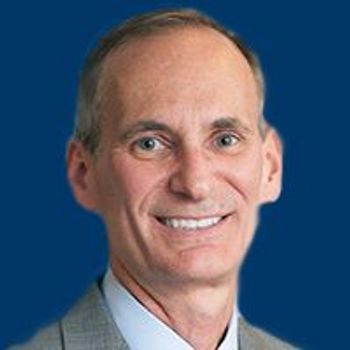
Matthew R. Smith, MD, PhD, discusses how PARP inhibition and radioligand therapies are shaping treatment decisions in advanced prostate cancer.

The European approval of a zanubrutinb tablet formulation covers indications in CLL, Waldenström macroglobulinemia, MZL, and follicular lymphoma.
Matthew R. Smith, MD, PhD, discusses findings from the ARANOTE trial that confirm the efficacy of darolutamide plus ADT in mCSPC.

Upcoming oncology meetings in the second half of 2025 will present new data across tumor types and offering updates that may influence standards of care.

The NMPA has granted breakthrough therapy designation to ATG-022 for previously treated gastric and gastroesophageal junction adenocarcinoma.

PLD plus ifosfamide produced an ORR of 33% and a DCR of 83% in advanced soft tissue sarcoma, with manageable toxicity.

Nemvaleukin alfa produced a disease control rate of 50% in advanced melanoma and RCC.

Early data showing tolerability and improved OS with roginolisib in metastatic uveal melanoma support its ongoing evaluation in the phase 2 OCULE-01 trial.
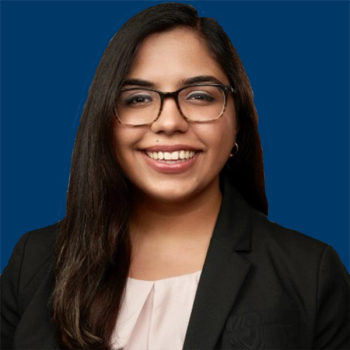
Ruby Arora, MD, discusses an analysis of SEER data on the declining MCL incidence and disparities that persist in Hispanic and American Indian patients.

Sonam Puri, MD, discusses advances in small cell lung cancer that have expanded treatment options across disease stages.
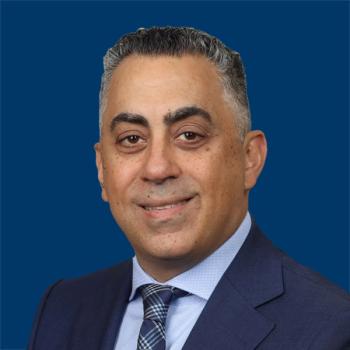
Tanios S. Bekaii-Saab, MD, discusses evolving frontline and evolving treatment strategies in esophageal cancer, HCC, and NETs.

Extended follow-up showed sintilimab plus anlotinib yielded durable efficacy and tolerability in PD-L1–positive recurrent/metastatic cervical cancer.
Tanios S. Bekaii-Saab, MD, discusses sequencing approaches in metastatic pancreatic cancer and colorectal cancer.

The off-the-shelf therapeutic cancer vaccine plus pembrolizumab improved PFS vs pembrolizumab alone in advanced melanoma.
LV20.19 CAR T therapy produced an 88% CR rate and 100% ORR in relapsed/refractory mantle cell lymphoma.
Tanios S. Bekaii-Saab, MD, highlights how HER2-directed agents, chemoimmunotherapy, and biomarker-driven strategies are expanding options for biliary tract cancers.

ASCO updated their clinical practice guidelines for stage IV NSCLC with or without a driver alteration.

Botensilimab plus balstilimab displayed durable responses in refractory CRC, including in heavily pretreated patient subsets.

Birelentinib received fast track designation from the FDA for relapsed/refractory chronic lymphocytic leukemia or small lymphocytic lymphoma.

Pamiparib with paclitaxel, carboplatin, and bevacizumab yields high complete cytoreduction rates, manageable safety in advanced ovarian cancer.

Evelyn Y. Wong, MD, discusses an analysis of a multiracial Asian cohort on the incidence of early‑onset colorectal cancer.

Intravesical mitomycin produced a 24-month DOR rate of 72.2% in recurrent low-grade, intermediate-risk NMIBC.

mRNA‑2416, alone or with durvalumab, was well tolerated and biologically active in advanced solid tumors and ovarian cancer.
Joseph Jacob, MD, MCR, discusses how TAR‑200 could represent a new treatment avenue in BCG‑unresponsive, high-risk NMIBC.