
Kenneth Offit, MD, MPH, is a pioneering cancer geneticist whose groundbreaking work has shaped how hereditary cancer is understood, prevented, and managed.
Kenneth Offit, MD, MPH, is a pioneering cancer geneticist whose groundbreaking work has shaped how hereditary cancer is understood, prevented, and managed.

Benmelstobart with or without anlotinib boosted progression-free survival after chemoradiotherapy in unresectable stage III non–small cell lung cancer.

EBC-129 monotherapy was active, generated responses, and had a manageable safety profile in heavily pretreated metastatic pancreatic ductal adenocarcinoma.

Neoadjuvant therapy with PAXG chemotherapy prolonged event-free survival vs mFOLFIRINOX in patients with stage I to III pancreatic ductal adenocarcinoma.

Nivolumab plus ipilimumab displayed superior PFS and PFS2 data vs chemotherapy and nivolumab monotherapy in mismatch repair-deficient colorectal cancer.
Adjuvant chemotherapy generated a DFS benefit over observation in patients identified as having higher-risk nonsquamous NSCLC per a prognostic assay.

First-line adagrasib monotherapy demonstrated preliminary efficacy and tolerability in patients with SK11- and KRAS G12C–mutant NSCLC.
Anakinra did not reduce cytokine release syndrome or immune effector cell–associated neurotoxicity in patients with large B-cell lymphoma receiving liso-cel.

Talazoparib plus enzalutamide demonstrates improved overall survival in metastatic castration-resistant prostate cancer.

Nivolumab plus ipilimumab produced a statistically significant and clinically meaningful OS benefit vs SOC in systemic therapy–naive unresectable HCC.

Labeled as a strong and fair division chief, impactful mentor, and brilliant researcher, Lynn M. Schuchter, MD, continues to drive advances in melanoma with the aid of a collaborative and innovative atmosphere.

Real-world data presented at the 2024 ASH Annual Meeting evaluated the efficacy of the most common treatment sequences in CLL/SLL.

Pembrolizumab plus chemotherapy conferred an efficacy advantage over chemotherapy alone in high-risk TNBC subgroups defined by potential biomarkers.

Cilta-cel boosted MRD-negativity rates in lenalidomide-refractory multiple myeloma, according to updated results from CARTITUDE-4.
The addition of uproleselan to chemotherapy did not meet the primary OS end point of a phase 3 trial evaluating patients with relapsed/refractory AML.

Patients with newly diagnosed, transplant-eligible multiple myeloma achieved deep responses and MRD negativity with isa-KRd induction therapy.

Frontline abemaciclib plus ET demonstrated a superior ORR vs chemotherapy in HR+/HER2– advanced breast cancer with aggressive disease characteristics.

RP1 plus nivolumab offers durable responses and a favorable safety profile for patients with melanoma after progression on anti–PD-1 therapy.
HOVON-146 showed integrating blinatumomab into pre-phase and consolidation therapy improved outcomes in newly diagnosed B-ALL.

A novel radioligand therapy, JNJ-6420, demonstrates potential in treating mCRPCr, delivering sustained responses following only 1-2 doses.
TTFields therapy plus best supportive care increased time to first intracranial progression by 10.6 months in patients with NSCLC brain metastases.
Cretostimogene grenadenorepvec elicited durable responses in high-risk BCG-unresponsive non–muscle-invasive bladder cancer with carcinoma in situ.

Liso-cel may be an effective treatment option for patients with relapsed/refractory mantle cell lymphoma and high-risk features.

Belzutifan treatment led to improved quality of life outcomes vs treatment with everolimus in patients with advanced renal cell carcinoma.
Nivolumab/ipilimumab reduced the risk of disease progression or death vs chemotherapy in previously untreated patients with metastatic colorectal cancer.
A fascination with laboratory research paired with hard work and dedication led to Nikhil C. Munshi, MD, becoming a pioneer in multiple myeloma treatment.
Administration of fam-trastuzumab deruxtecan significantly prolonged time-to-next treatment in patients with HER2-positive or HER2-low metastatic breast cancer, including patients who experienced changes in HER2 status during the treatment course.

Ongoing research evaluating combination therapies for the frontline treatment of patients with EGFR-mutated non–small cell lung cancer could help improve survival outcomes for this patient population.

Although the emergence of immunotherapy have created additional treatment options for patients with various types of cancer, these agents are associated with significant toxicities and immune-related adverse effects.
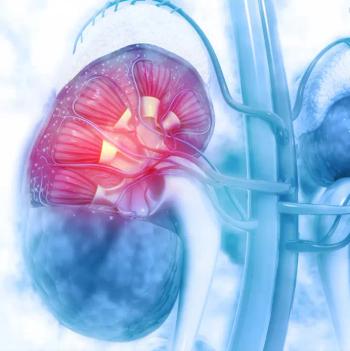
Lenvatinib in combination with pembrolizumab led to tumor shrinkage and duration of response benefits compared with sunitinib across subgroups of interest in patients with advanced clear cell renal cell carcinoma.

December 30th 2025

February 22nd 2024