

Treatment with teclistamab led to responses in patients with relapsed/refractory multiple myeloma, including those previously exposed to anti-BCMA therapies.
Treatment with teclistamab led to responses in patients with relapsed/refractory multiple myeloma, including those previously exposed to anti-BCMA therapies.

The use of the oral, brain penetrant, furmonertinib, resulted in encouraging responses and a tolerable safety profile in patients with advanced non–small cell lung cancer harboring EGFR exon 20 insertion mutations, according to data from the phase 1b FAVOUR trial.

Quizartinib plus standard intensive induction and consolidation therapy resulted in improved overall survival compared with placebo in patients with newly diagnosed, FLT3-ITD–positive AML irrespective of allogeneic hematopoietic cell transplantation in first complete remission and pre-allo minimal residual disease status.

The incorporation of brentuximab vedotin (Adcetris) into the frontline treatment of patients with Hodgkin lymphoma correlates with superior efficacy, irrespective of PET2 results, suggesting loss of predictive value with the scan.

The RAF dimer inhibitor BGB-3245 generated early efficacy signals with a tolerable safety profile in patients with advanced or refractory solid tumors harboring MAPK pathway mutations.

Neoadjuvant treatment with the combination of durvalumab plus tremelimumab and chemotherapy elicited a promising 12-month progression-free survival rate in patients with advanced-stage ovarian cancer.
Early treatment with ruxolitinib led to high response rates in patients with steroid refractory acute graft-vs-host-disease, although benefits with ruxolitinib vs best available therapy were observed regardless of the timing of ruxolitinib administration.

Haploidentical donors and posttransplant cyclophosphamide is a comparable alternative to matched unrelated donors for patients with myelofibrosis receiving blood or marrow transplant without matched sibling donors, although matched sibling donors, when available, remain the preferred donor option.

Second-line lenvatinib may produce a survival benefit in patients with advanced hepatocellular carcinoma who have progressed on immunotherapy.
The combination of orelabrutinib and R-CHOP elicited a favorable overall response rate and progression-free response rate in patients with previously untreated non–germinal center B-cell–like diffuse large B-cell lymphoma (DLBCL) with extranodal disease.

The addition of abemaciclib to a nonsteroidal aromatase inhibitor elicited an improvement in overall survival vs a nonsteroidal aromatase inhibitor alone in patients with hormone receptor–positive, HER2-negative, early-stage breast cancer.

The triplet regimen of lenalidomide, bortezomib, and dexamethasone plus autologous stem cell transplantation and lenalidomide maintenance therapy significantly improved progression-free survival compared with RVd alone in patients with newly diagnosed multiple myeloma, with notable benefit observed in those with high-risk cytogenetics.
Isatuximab plus pomalidomide and dexamethasone elicited favorable progression-free survival and proved tolerable in pretreated patients with relapsed/refractory multiple myeloma.

The combination of pembrolizumab and lenvatinib generated promising clinical activity with a manageable safety profile in pretreated patients with malignant pleural mesothelioma.

Rapid onset and sustained responses translating to extended survival and a favorable toxicity profile were seen with larotrectinib in patients with advanced lung cancer harboring NTRK gene fusions, including in those with central nervous system metastases, according to results from an expanded cohort.

Pediatric patients with non–central nervous system, TRK fusion–positive cancers who were enrolled to the phase 1/2 SCOUT and phase 2 NAVIGATE trials and received larotrectinib continued to experience rapid and durable tumor-agnostic efficacy and prolonged survival.

Treatment with larotrectinib elicited robust and durable responses, had a favorable safety profile, and sustained survival benefit in patients with central nervous system TRK fusion cancers.

The combination of ivosidenib and azacitidine elicited a clinically meaningful benefit across end points compared with azacitidine alone among patients with newly diagnosed IDH1-mutant acute myeloid leukemia who were ineligible for intensive induction chemotherapy.
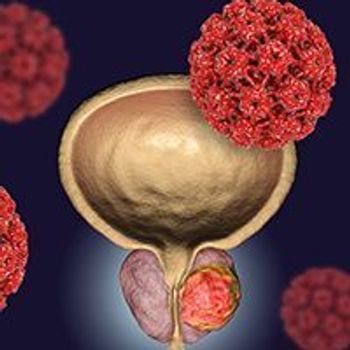
Complementary approaches to quantifying overdiagnosis generated a more beneficial harm-benefit tradeoff of prostate-specific antigen screening, compared with previous estimates that used shorter follow-up from the introduction of screening.

Avelumab plus best supportive care produced a benefit in overall survival in patients with advanced urothelial carcinoma that had not progressed with first-line platinum-based chemotherapy.

The combination of nivolumab plus platinum-doublet chemotherapy led to a significant improvement in event-free survival compared with chemotherapy alone as neoadjuvant treatment in patients with resectable non–small cell lung cancer, according to findings from the phase 3 CheckMate 816 trial.

GD2-directed CAR T-cell therapy demonstrated prolonged periods of radiographic and clinical improvement in pediatric and young adult patients with H3K27M-mutated diffuse intrinsic pontine gliomas and spinal diffuse midline gliomas.

Elacestrant was found to result in a statistically significant and clinically meaningful improvement in progression-free survival over standard-of-care treatment in patients with estrogen receptor–positive, HER2-negative metastatic breast cancer who previously received CDK4/6 inhibitors.