Articles by Joshua Sabari, MD
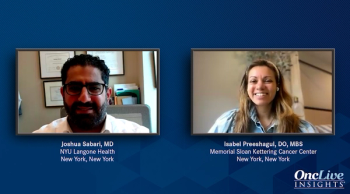
Panelists discuss how sequencing strategies for multiple HER2-targeted therapies will require careful consideration of patient characteristics, disease burden, and prior treatments, with oral tyrosine kinase inhibitors potentially preferred first due to better tolerability and CNS activity, while combination approaches remain investigational pending safety and efficacy data.
Panelists discuss how emerging oral tyrosine kinase inhibitors like zongertinib (HER2-selective) and sevabertinib (HER2/EGFR dual inhibitor) offer promising alternatives to antibody-drug conjugates with improved tolerability profiles, better central nervous system penetration, and robust response rates in the 60% to 70% range for second-line treatment.
Panelists discuss how interstitial lung disease represents a critical and potentially cryptic toxicity occurring in 10% to 15% of patients receiving HER2 antibody-drug conjugates, requiring vigilant monitoring, prompt recognition of subtle symptoms like dry cough, and aggressive management with steroids and pulmonary consultation.
Panelists discuss how antibody drug conjugates like trastuzumab deruxtecan work as “Trojan horses” to deliver chemotherapy directly to tumor cells, providing effective second-line treatment for patients with HER2-mutated disease but requiring careful management of chemotherapy-like adverse effects, including significant toxicities.
Panelists discuss how patients with HER2-mutated lung cancer represent a high-risk population with aggressive biology and propensity for brain metastases, currently treated with standard chemotherapy in the frontline setting while awaiting clinical trials that may move HER2-targeted agents to first-line treatment.
Panelists discuss how comprehensive next-generation sequencing testing is essential for identifying HER2 mutations in patients with stage IV non–small cell lung cancer, distinguishing between HER2 mutations (detected by DNA sequencing) and HER2 overexpression/amplification (detected by immunohistochemistry).
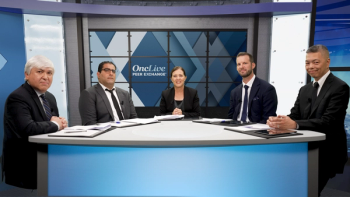
Exciting NSCLC Data Updates from ESMO 2022
ByHeather Wakelee, MD,Bill W. Loo, MD,Ignacio I. Wistuba, MD,Jonathan Spicer, MD, PhD,Joshua Sabari, MD The panel shares the data that excited them the most from ESMO 2022, and what to look forward to in the future.
NSCLC Molecular Testing Recommendations for Community Hospitals
ByHeather Wakelee, MD,Bill W. Loo, MD,Ignacio I. Wistuba, MD,Jonathan Spicer, MD, PhD,Joshua Sabari, MD Recommendations for community hospitals and physicians on the critically necessary molecular tests needed for patients with NSCLC.
Adjuvant Therapy in EGFR-Mutated NSCLC
ByHeather Wakelee, MD,Bill W. Loo, MD,Ignacio I. Wistuba, MD,Jonathan Spicer, MD, PhD,Joshua Sabari, MD Drs Spicer and Sabari explain if and when they test patients with NSCLC for EGFR mutations after surgical resection.
Updates on Adjuvant Osimertinib for NSCLC Treatment from the ADUARA Trial
ByHeather Wakelee, MD,Bill W. Loo, MD,Ignacio I. Wistuba, MD,Jonathan Spicer, MD, PhD,Joshua Sabari, MD Key opinion leaders share their thoughts on data updates from the ADUARA trial on the use of osimertinib as an adjuvant therapy for NSCLC.
The Role of Adjuvant Therapy in Patients with NSCLC
ByHeather Wakelee, MD,Bill W. Loo, MD,Ignacio I. Wistuba, MD,Jonathan Spicer, MD, PhD,Joshua Sabari, MD Drs Bill W. Loo and Joshua Sabari discusses whether there is a role for any adjuvant therapies in NSCLC treatment, and which patients might benefit.
Selecting Appropriate Patients with NSCLC for Neoadjuvant Therapy
ByHeather Wakelee, MD,Bill W. Loo, MD,Ignacio I. Wistuba, MD,Jonathan Spicer, MD, PhD,Joshua Sabari, MD Joshua Sabari, MD, describes which stage groups of patients with NSCLC should receive neoadjuvant therapies, and which therapies are typically used.
The Role of Neoadjuvant Therapy in Patients with Resectable NSCLC
ByHeather Wakelee, MD,Bill W. Loo, MD,Ignacio I. Wistuba, MD,Jonathan Spicer, MD, PhD,Joshua Sabari, MD Drs Wakelee, Sabari, and Wistuba review updated data on neoadjuvant treatment in NSCLC from key studies including CheckMate-816 and NADIM-2.
Updates in the Treatment of Stage I-IIIA NSCLC
ByHeather Wakelee, MD,Bill W. Loo, MD,Ignacio I. Wistuba, MD,Jonathan Spicer, MD, PhD,Joshua Sabari, MD The panel reviews updates in the treatment of stage I-IIIA NSCLC and discusses its impact in clinical practice.
Is There a Role for Liquid Biopsies in Early NSCLC?
ByHeather Wakelee, MD,Bill W. Loo, MD,Ignacio I. Wistuba, MD,Jonathan Spicer, MD, PhD,Joshua Sabari, MD Ignacio Wistuba, MD, leads the discussion on the role of liquid biopsies for molecular testing in early NSCLC.
Molecular Testing in Early NSCLC to Guide Treatment Decision Making
ByHeather Wakelee, MD,Bill W. Loo, MD,Ignacio I. Wistuba, MD,Jonathan Spicer, MD, PhD,Joshua Sabari, MD Jonathan Spicer, MD, explains the role of molecular testing in patients with stage I-IIIA NSCLC, and how it informs treatment decision-making.
Recommendations for Molecular Testing in Non-Small Cell Lung Cancer (NSCLC)
ByHeather Wakelee, MD,Bill W. Loo, MD,Ignacio I. Wistuba, MD,Jonathan Spicer, MD, PhD,Joshua Sabari, MD A panel of lung cancer experts provides an overview of molecular testing in early-stage non-small cell lung cancer (NSCLC) and recommendations for biomarkers to test for and at what treatment stages to perform testing.
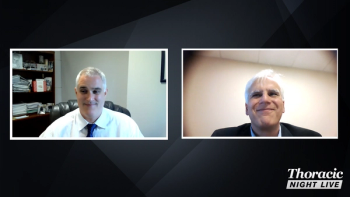
Josh Sabari, MD; Nicholas C. Rohs, MD; and Balazs Halmos, MD, discuss the updates with targeted therapy as it relates to the early-stage setting of non–small cell lung cancer as well as those who harbor EGFR exon 20 insertion mutations.
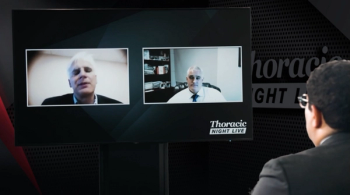
Josh Sabari, MD; Nicholas C. Rohs, MD; and Balazs Halmos, MD, highlight new therapeutic advances in the advanced setting of non–small cell lung cancer unveiled throughout 2021.
Joshua Sabari, MD, medical oncology fellow, Memorial Sloan Kettering Cancer Center, discusses the future that immunotherapy has in the field of small cell lung cancer (SCLC).
Joshua Sabari, MD, medical oncology fellow, Memorial Sloan Kettering Cancer Center, discusses recent findings in immunotherapy as potential treatment for patients with small cell lung cancer.


