

A biologics license application for sintilimab injection plus pemetrexed and platinum-based chemotherapy for the frontline treatment of patients with nonsquamous non–small cell lung cancer has been accepted for FDA review.

Associate Editorial Director, OncLive®
Kristi Rosa joined MJH Life Sciences in 2016 and has since held several positions within the company. She helped launch the rapidly growing infectious disease news resource Contagion, strengthened the Rare Disease Report, of HCPLive, and now oversees OncLive and its flagship publication OncologyLive. Prior to working at the company, she served as lead copywriter and marketing coordinator at The Strand Theater. Email: [email protected]
A biologics license application for sintilimab injection plus pemetrexed and platinum-based chemotherapy for the frontline treatment of patients with nonsquamous non–small cell lung cancer has been accepted for FDA review.

The FDA has lifted a partial clinical hold that had been placed on the enrollment of patients with follicular lymphoma and diffuse large B-cell lymphoma to monotherapy trials examining the bispecific antibody odronextamab.

Enobosarm has been shown to induce a clinical benefit rate of 50% at 24 weeks in evaluable patients with measurable metastatic androgren receptor–positive, estrogen receptor–positive, metastatic breast cancer that has progressed on treatment with palbociclib.
The FDA has approved pegcetacoplan (Empaveli) for the treatment of adults with paroxysmal nocturnal hemoglobinuria who are treatment naïve and those who are switching from the C5 inhibitors eculizumab (Soliris) and ravulizumab (Ultomiris).

An off-the-shelf, allogeneic CD30-CAR Epstein Barr virus–specific T-cell therapy has demonstrated favorable safety and encouraging clinical activity, even when given at lower dose levels, in patients with relapsed/refractory CD30-positive lymphoma.

The PD-1 inhibitor cemiplimab resulted in a 31% reduction in the risk of death compared with chemotherapy in patients with recurrent or metastatic cervical cancer who have progressed on chemotherapy.

Neoadjuvant pembrolizumab in combination with chemotherapy followed by adjuvant pembrolizumab monotherapy resulted in a significant improvement in event-free survival and pathologic complete response vs neoadjuvant chemotherapy alone in patients with high-risk, early-stage triple-negative breast cancer.
The FDA has granted a breakthrough device designation to the Avenda Health Focal Therapy System, a male “lumpectomy” product under development to treat patients with prostate cancer in office while preserving quality of life.

The quadruplet combination comprised of carfilzomib, lenalidomide, dexamethasone, and daratumumab was linked with high rates of minimal residual disease negativity and progression-free survival in patients with newly diagnosed multiple myeloma.

The FDA has granted an orphan drug designation to the first-in-class ruthenium-based small molecule therapeutic BOLD-100 for the treatment of patients with gastric cancer.

Although fewer deaths were reported with neratinib in patients with HER2-positive breast cancer treated on the phase 3 ExteNET trial, the agent was not found to result in a significant improvement in overall survival after 8 years of follow-up.

Stratification by the molecular 70-gene risk prediction signature revealed that patients with estrogen receptor–positive breast cancer who are low risk for disease recurrence derive greater benefit from tamoxifen, while those who are high risk have greater benefit from goserelin vs no endocrine therapy.

Distinct gene signatures, with the exception of estrogen receptor signaling and BRCAness, are associated with pathologic complete response and invasive disease-free survival, in patients with HER2-positive breast cancer who received trastuzumab and pertuzumab alone or in combination with paclitaxel.
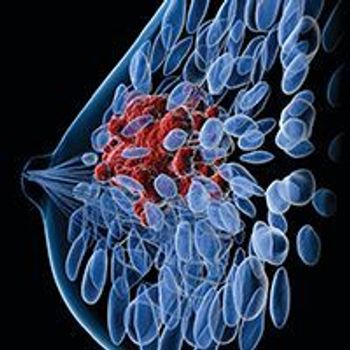
Approximately 30% of breast cancer tumors can covert from, or to, HER2-low status, underscoring the need to retest for HER2 expression upon relapse.

The combination of durvalumab plus tremelimumab and platinum-based chemotherapy resulted in a significant improvement in overall survival compared with chemotherapy alone in the frontline treatment of patients with stage IV non–small cell lung cancer.

The recently FDA-approved loncastuximab tesirine-lpyl has been added to the latest National Comprehensive Cancer Network Clinical Practice Guidelines for B-cell lymphomas.

The FDA has granted priority review to applications that are seeking 2 approvals of pembrolizumab in combination with lenvatinib in advanced renal cell carcinoma and advanced endometrial carcinoma.
The FDA has approved pembrolizumab for use in combination with trastuzumab, fluoropyrimidine- and platinum-containing chemotherapy for the frontline treatment of patients with locally advanced unresectable or metastatic HER2 positive gastric or gastroesophageal junction adenocarcinoma.

The European Commission has approved atezolizumab for use as a frontline treatment in patients with metastatic non–small cell lung cancer whose tumors have a high PD-L1 expression and do not harbor EGFR or ALK aberrations.
The FDA has granted a priority review to the supplemental new drug application for ivosidenib tablets as a treatment option for patients with previously treated, IDH1-mutant cholangiocarcinoma.

The addition of motixafortide to granulocyte colony stimulating factor resulted in a 4.9-fold increase in achieving target stem-cell mobilization for autologous bone marrow transplantation in up to 2 apheresis sessions vs G-CSF alone in patients with multiple myeloma, meeting the primary end point of the phase 3 GENESIS trial.

RAD51C and RAD51D mutations and high-level BRCA1 promotor methylation are predictive of response to rucaparib in patients with recurrent ovarian cancer, while genomic scars linked with homologous recombination deficiency is predictive of response only in those with platinum-sensitive disease.

The European Commission has approved enzalutamide for the treatment of adult patients with metastatic hormone-sensitive prostate cancer.
The rolling submission of a new drug application to the FDA for surufatinib for the treatment of patients with pancreatic and non-pancreatic neuroendocrine tumors has been completed.

Whole-genome sequencing has the potential to accurately differentiate between stable and progressive precursor conditions to multiple myeloma in low disease burden clinical states and the use of this technology in the clinic may result in a significant shift in the management of these patients.

A marketing authorization application has been submitted to the European Medicines Agency for the approval of the CAR T-cell therapy ciltacabtagene autoleucel in the treatment of patients with relapsed and/or refractory multiple myeloma.

The novel oral TKI masitinib in combination with docetaxel and prednisone resulted in improved progression-free survival compared with docetaxel plus prednisone in patients with metastatic castration-resistant prostate cancer, meeting the predefined primary end point of the phase 2b/3 AB12003 trial.
The FDA has granted a priority review designation to a supplemental biologics license application for nivolumab for use as an adjuvant treatment in patients with surgically resected, high-risk, muscle-invasive urothelial carcinoma.

Centrally stratified risk-adapted clinical trials in patients with newly diagnosed multiple myeloma were shown to be feasible, addressing an unmet need and providing the opportunity for rapid clinical development of novel therapies.
Tocilizumab may represent a potential treatment option with double action against cytokine storm due to COVID-19 in a subset of patients with active multiple myeloma and severe infection with the virus.