Articles by Nicholas Wrigley

Using polatuzumab vedotin instead of vincristine in a reduced-dose regimen of rituximab, cyclophosphamide, doxorubicin, and prednisone was not found to increase grade 3/4 hematologic toxicities, infection risk, or neuropathy in elderly patients with untreated diffuse large B-cell lymphoma.

The combination of trifluridine/tipiracil and bevacizumab did not demonstrate a significant overall survival benefit vs capecitabine plus bevacizumab in patients with unresectable, metastatic colorectal cancer ineligible for intensive chemotherapy.
The combination of dostarlimab with standard-of-care carboplatin and paclitaxel elicited a statistically significant and clinically meaningful improvement in progression-free survival vs carboplatin/paclitaxel plus placebo in patients with mismatch repair–deficient/microsatellite instability–high advanced or recurrent endometrial cancer.
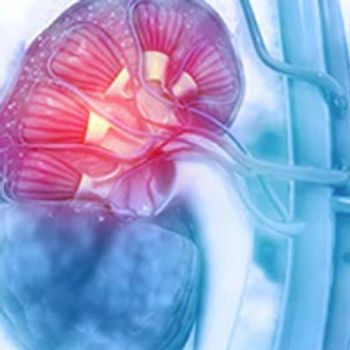
The combination of frontline cabozantinib, nivolumab, and ipilimumab led to a greater improvement in progression-free survival in patients with intermediate- vs poor-risk advanced renal cell carcinoma.
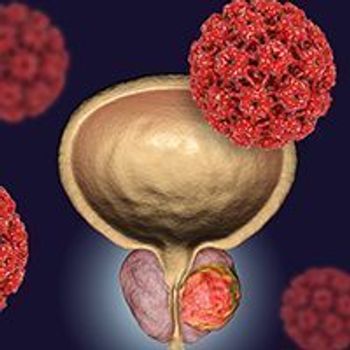
The combination of niraparib, abiraterone acetate, and prednisone produced prolonged survival and delayed progression rates in patients with metastatic castration-resistant prostate cancer harboring homologous recombination repair gene alterations.
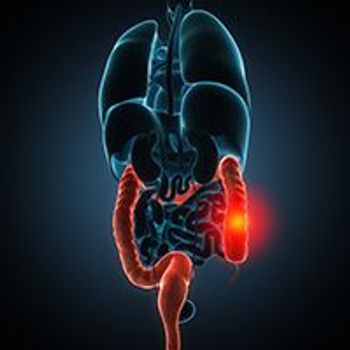
A novel Burning Rock patient-specific prognostic and potential therapeutic marker tracking approach demonstrated improved sensitivity in detecting circulating tumor DNA and identifying molecular residual disease compared with other approaches in patients with colorectal cancer following surgery.

The CD19-targeted CAR T-cell therapy rapcabtagene autoleucel was found to be well tolerated and to yield durable responses in patients with relapsed/refractory diffuse large B-cell lymphoma who had undergone 2 or more prior lines of therapy.


