
Immune checkpoint blockade with ipilimumab, combined with radiation therapy, is tolerable and effective in patients with node-positive, stage Ib2 to IV cervical cancer.
Immune checkpoint blockade with ipilimumab, combined with radiation therapy, is tolerable and effective in patients with node-positive, stage Ib2 to IV cervical cancer.
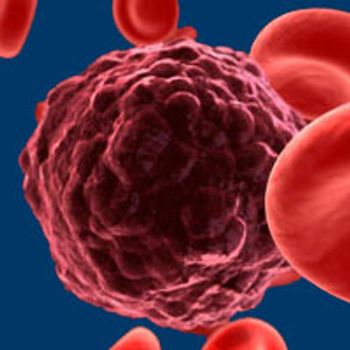
The combination of panobinostat and ruxolitinib demonstrated efficacy and a tolerable safety profile as a treatment for patients with primary myelofibrosis and post-polycythemia vera–related myelofibrosis and post essential thrombocythemia–related myelofibrosis.
The combination of ruxolitinib (Jakafi) plus low-dose pegylated interferon-a2 demonstrated an improvement in peripheral blood cell counts bone marrow cellularity and fibrosis, and symptom burden with acceptable toxicity in patients with polycythemia vera or proliferative myelofibrosis.
Tanios S. Bekaii-Saab, MD, examines the effectiveness of umbrella trials and their importance in aiding precision medicine in gastrointestinal oncology.
Scott Kopetz, MD, PhD, FACP, sheds light on encorafenib triplet and doublet options for patients with BRAF V600E–mutant metastatic colorectal cancer and other novel regimens under investigation.
The triplet regimen of nivolumab (Opdivo), ipilimumab (Yervoy), and cabozantinib (Cabometyx) achieved clinically meaningful responses in patients with advanced hepatocellular carcinoma who were either sorafenib (Nexavar)-naïve, or resistant to or intolerant of sorafenib.
The phase I/II CIRLL study, which is evaluating the combination of the monoclonal antibody cirmtuzumab (UC-961) plus ibrutinib has opened an expansion cohort to include patients with mantle cell lymphoma.
Jia Ruan, MD, PhD, hematologist/oncologist, Weil Cornell Medicine, examined the evolving treatment landscape for mantle cell lymphoma, with an emphasis on BTK inhibitors.
Simon Rule, MD, discusses the standard of care for MCL treatment and future regimens that could transform clinical practice.
Anna F. Farago, MD, PhD, assistant professor of medicine, Harvard Medical School, discusses the updated activity of larotrectinib in NTRK fusion–positive lung cancer.
Pasi A. Jänne, MD, PhD, discusses 3 studies of novel agents for targeting EGFR-mutant and HER2-positive lung cancers and the next steps in getting the research to cancer clinics.
Carol Mangione, MD, MSPH, shares insight on the specifics of the recommendations related to BRCA-mutation testing and how the USPSTF hopes these suggestions will impact patient outcomes.
James K. McCloskey II, MD, discussed current treatment options for patients with myelofibrosis as well as further options in development in clinical trials.
Shota Fukuoka, MD, PhD, discusses the results of the study evaluating regorafenib and nivolumab in patients with previously treated gastric and colorectal cancers.

Kieron Dunleavy, MD, discusses the current treatment paradigm in mantle call lymphoma and the emerging potential for CAR T-cell therapy.
Peter Martin, MD, discusses the need for a personalized therapeutic approach in frontline MCL treatment.
Tanya Siddiqi, MD, explains how novel agents are improving the treatment landscape for chronic lymphocytic leukemia, citing examples from the TRANSCEND CLL 004 trial.
Elias Jabbour, MD, highlights the evolving armamentarium and next steps in the treatment paradigm for acute myeloid leukemia.
Yuqin Song, MD, PhD, discusses the clinical activity with zanubrutinib in patients with relapsed/refractory mantle cell lymphoma.
Heather Wakelee, MD, discusses the rationale and findings for two combination regimens in EGFR-mutant non-small cell lung cancer, as well as the implications for our understanding of mechanisms of resistance.