Cutting-edge translational research pioneer will work with OncLive to promote knowledge of genetic research and its application to patient care.
Cutting-edge translational research pioneer will work with OncLive to promote knowledge of genetic research and its application to patient care.

Part of the Medical Center's Commitment to a "Supportive Oncology" Approach to Cancer Treatment

Everett E. Vokes, MD, was recognized by the "Giants of Cancer Care" awards program for his groundbreaking research into head and neck cancers.

Analysis of trends in prostate-specific antigen (PSA) dynamics suggested that PSA growth rates, as well as the amount of PSA-level increase due specifically to cancer, might offer a means of distinguishing aggressive, potentially fatal prostate cancer from clinically inconsequential tumors.

A cell-cycle gene array test demonstrated independent value for predicting metastatic progression after surgery for organ-confined renal cell carcinoma (RCC) of clear cell histology, a retrospective study of patient data showed.

Daily treatment with the PDE-5 inhibitor tadalafil (Cialis) led to a significant decrease in loss of penile length among men who had undergone bilateral nerve-sparing radical prostatectomy.

Testicular self-examination remains highly cost-effective despite a negative recommendation from the United States Preventive Services Task Force (USPSTF), a cost-utility analysis suggested.

Self-reported physical activity significantly improved the odds that a person would not die of bladder cancer, a review of a national health information database showed.

Prostate cancer patients who chose active surveillance did not compromise their chances of a cure by waiting before they underwent radical prostatectomy, data from a Swedish registry showed.
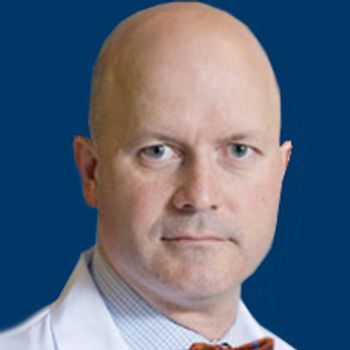
Keith T. Flaherty, MD, discusses upcoming combination therapies being explored in melanoma, specifically those involving CDK4/6, BRAF/MEK, immune checkpoints, and other novel approaches.
Cardiologists and cancer experts at The Mount Sinai Hospital have joined forces to establish its first Cardio-Oncology Clinic at The Tisch Cancer Institute.

The future of privately owed oncology practices in the nation's cancer care system is growing increasingly fragile amid mounting financial pressures, even as more new patients are seeking help.
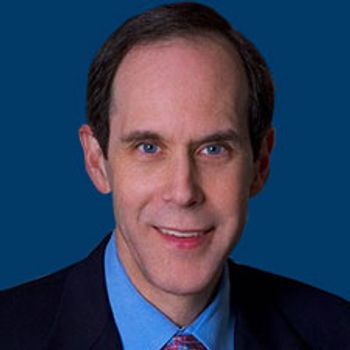
Take a prognosis of three years, multiply it by 10, and what do you get? A staggering improvement in the survival of patients with chronic myeloid leukemia (CML), and a crucial steppingstone on the road to the targeted treatment of cancer.

An interview with Padmanee Sharma, MD, PhD, on the evolving field of immunotherapy for patients with castration-resistant prostate cancer.

Donald A. Berry, PhD, is a leader in the development of innovative statistical methodology for the improvement of clinical trial design and analysis, especially the Bayesian methods used in the I-SPY program.
Now that targeted therapies are available for the treatment of various subtypes of breast cancer, and many novel agents are under investigation, it is important for the oncology community to follow the latest advancements to give patients the best available options.

Jennifer R. Brown, MD, PhD, and John Byrd, MD, are leading researchers in the emerging field of Bruton tyrosine kinase (BTK) inhibition in chronic lymphocytic leukemia (CLL) and other B-cell malignancies.
Much discussion was sparked in the urologic community by an October 2013 article in the journal Urologic Oncology about how the Affordable Care Act (ACA) will affect practicing urologists.

A study published in the New England Journal of Medicine sparked controversy and criticism when it claimed that many men received unnecessary radiation therapy for their prostate cancer due to self-referral.

During his undergraduate years at Princeton University, Charles L. Sawyers, MD, studied history. Now, well into his career as a physician and translational scientist, Sawyers is busy making it.

Alison J. Moskowitz, MD, is among researchers at Memorial Sloan-Kettering Cancer Center and elsewhere who are investigating an expanded role for the CD30-targeting brentuximab vedotin (Adcetris) in hematologic malignancies. Moskowitz specializes in the treatment of patients with lymphoma and her research focuses on evaluating novel treatments for Hodgkin lymphoma.
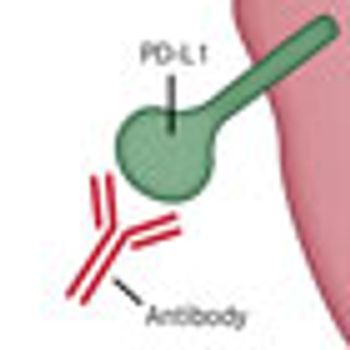
Immunotherapy has become an increasingly appealing therapeutic strategy for patients with cancer, with many late-stage clinical trials demonstrating overall survival (OS) advantages in melanoma and castrationresistant prostate cancer.

So many new agents for the treatment of men with castration-resistant prostate cancer (CRPC) have been introduced in the past several years that optimal sequencing of therapies remains an unsettled question.
OncLive will work with Georgia's only NCI-designated cancer center to support its efforts to conduct innovative, multidisciplinary research and translate that knowledge into excellent patient care.

Pomalidomide (Pomalyst) rode impressive trial results to accelerated FDA approval this year, and Kenneth Anderson thinks it will prove a valuable new tool in the fight against multiple myeloma
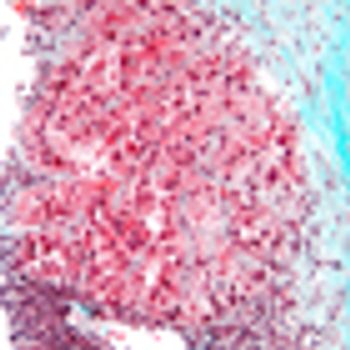
Treatment with LY2157299 led to significant reductions in a prespecified biomarker that correlated with increased time to progression and overall survival in patients with advanced hepatocellular carcinoma.

Add-on treatment with the hedgehog pathway inhibitor vismodegib demonstrated encouraging activity in patients with untreated metastatic pancreatic ductal adenocarcinoma.

Mark G. Kris, MD, from the Memorial Sloan-Kettering Cancer Center, describes the new drugs and other emerging trends in lung cancer.

On December 30th, the United States Preventive Services Task Force (USPSTF) announced they recommend annual screening for lung cancer with low-dose computed tomography (LDCT) in adults aged 55-80 years who have a 30 pack-year smoking history.

In a recent blog post and echoed on the Centers for Medicare & Medicaid Services (CMS) web site, Robert Tagalicod, director of the CMS Office of E-Health Standards and Services and acting National Coordinator for Health Information Technology Jacob Reider, MD, announced that the deadline for stage 2 of the meaningful use program would be extended through 2016.