
This year's approval of radium-223 chloride (Xofigo) continues the 4-year run of important new prostate cancer drugs, and Matthew Cooperberg thinks the run will continue over the next few years.
This year's approval of radium-223 chloride (Xofigo) continues the 4-year run of important new prostate cancer drugs, and Matthew Cooperberg thinks the run will continue over the next few years.

Combination treatment with idelalisib plus rituximab was associated with a >70% improvement in OS in patients with high-risk relapsed/refractory CLL.

Almost half of patients with relapsed/refractory AML had complete remissions when treated with quizartinib, which also had a more favorable safety profile as compared with higher doses.

Pathologic complete response to neoadjuvant chemotherapy had a significant correlation with survival in early HER2-positive breast cancer after 4 years of follow-up.

Imetelstat, a telomerase inhibitor, has demonstrated significant activity in myelofibrosis, including complete responses.

The first-in-class targeted agent filanesib has demonstrated promising activity in patients with relapsed and refractory multiple myeloma.

Almost half of patients with relapsed or refractory chronic lymphocytic leukemia attained objective responses when treated with an oral inhibitor of phosphoinositide-3-kinase-delta and -gamma.

Patients with chronic lymphocytic leukemia and major comorbidities had significantly better outcomes when treated with the anti-CD20 monoclonal antibody obinutuzumab instead of rituximab.

Treatment with engineered donor T cells led to substantial tumor regression in patients with posttransplant relapsed B-cell malignancies, results of a small clinical study showed.

Intervention in early or "smoldering" myeloma with a three-drug regimen led to complete responses in a group of high-risk patients, suggesting a window of opportunity that may delay or prevent progression to a debilitating disease state.

Presentations at the 36th San Antonio Breast Cancer Symposium (SABCS) will tackle key topics and questions regarding the treatment of breast cancer.

This third and final installment emanating from our roundtable with oncology nursing experts focuses on survivorship, now universally recognized as a crucial aspect of oncology care.
OncLive® is pleased to announce that the Wistar Institute has joined its Strategic Alliance Partnership program.
Drug research and development continues to focus on regimens that select therapy according to the pathologic and molecular characteristics of the tumor.

Stephen B. Baylin, MD, is conducting research in his laboratory at Johns Hopkins Medicine that aims to bring epigenetic therapy to the forefront of cancer management, in particular in gaining a better understanding of the abnormalities of chromatin and DNA methylation that may account for the development of epigenetic abnormalities during tumor development.

Intervention doubled palliative care consultations; lowered in-hospital mortality and hospital readmission rates.

Breast Oncology Director leads effort to honor luminaries who have helped patients survive

Five lung cancer experts discuss recent advances and current issues surrounding the treatment of non-small cell lung cancer
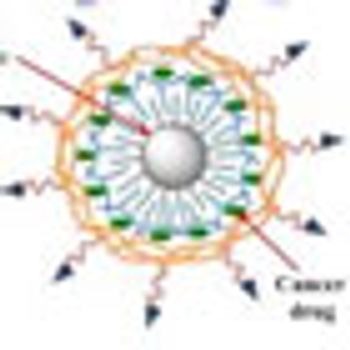
The combination of heat, chemotherapeutic drugs and an innovative delivery system based on nanotechnology may significantly improve the treatment of ovarian cancer while reducing side effects from toxic drugs.

An international research team led by scientists from Georgetown Lombardi Comprehensive Cancer Center has discovered a genetic mutation linked to low-risk bladder cancer.

The second installment from our roundtable with oncology nursing experts discussing some of the key challenges in oncology nursing today.

Additional investment in and collaboration with ADC Therapeutics

Findings from the first large-scale, genome-wide association study of esophageal adenocarcinoma may lead to new screening tools for those at high risk.

A protein receptor for the "good cholesterol," HDL, may help make breast cancer more aggressive and offer a new target for treating the disease.

More than 95 Percent of Advanced Prostate Cancer Patients Receive Multiple Radiation Treatments for Pain Control, Despite Evidence Pointing to Equal Benefit from Single Treatments
Ten cancer programs that have developed pioneering solutions to address the challenges of treating cancer patients have received the Association of Community Cancer Centers' 2013 Innovator Awards.

Cancer stem cells are an underlying cause of a tumor's ability to recur and metastasize even after initial treatment. Therefore, targeting those cancer stem cells could prove to be a valuable tool in the treatment of several different tumor types.

The National Cancer Institute, part of the National Institutes of Health, has awarded two major grants totaling $26 million to leukemia researchers and physicians at the Siteman Cancer Center at Barnes-Jewish Hospital and Washington University School of Medicine in St. Louis.
Offering free head and neck cancer screenings annually to the community not only has the possibility of early detection, but also the opportunity – particularly in an urban city – to increase a person's understanding of risk factors that cause cancer, according to a new study from Henry Ford Hospital in Detroit.
In response to the growing trend of hospital consolidation, including questions about cancer care decision-making, cost impacts, and delivery of care, the ACCC Institute for the Future of Oncology has released a new white paper that provides perspectives on how these alignments are affecting cancer care providers, cancer programs, and the patients they serve.