
Robert J. Motzer, MD, discusses the importance of assessing health-related quality of life in renal cell carcinoma.
Robert J. Motzer, MD, discusses the importance of assessing health-related quality of life in renal cell carcinoma.
Health care experts remark on current unmet needs associated with the use of novel therapies, such as immunotherapies, and targeted treatments for metastatic renal cell carcinoma and share advice on best practices when managing patients in the community.
Robert Alter, MD, highlights various trial data on the management of advanced renal cell carcinoma with the combination of lenvatinib and everolimus, also commenting on the potential outcomes associated with the use of lenvatinib with pembrolizumab.
Robert Motzer, MD, describes what lenvatinib is and explains the rationale for studying its use in combination with novel therapies such as everolimus as treatment for metastatic renal cell carcinoma.
Oncologists discuss their preferences in regard to second-line therapy for metastatic renal cell carcinoma, and optimal timing for changing regimens based on responses to treatment.
Factors that prompt oncologists to move to second-line therapy to treat metastatic renal cell carcinoma.
Variables that influence an individualized first-line treatment approach for advanced renal cell carcinoma.
Drs Robert Alter and Robert Motzer discuss the rationale and use of surgery as supportive care to treat appropriate patients with metastatic renal cell carcinoma.
The importance of risk assessment when selecting frontline therapy to treat advanced renal cell carcinoma and factors to consider when talking with patients about goals of therapy.
Preferred treatment regimens that incorporate novel therapies used to treat patients with metastatic renal cell carcinoma based on risk status.
A historical overview regarding the development of parameters used to help stratify risk in patients with renal cell carcinoma and the relevance of current models in the context of selecting systemic therapy to treat appropriate patients.
Guidelines and recommendations by clinicians on treatment approaches for newly diagnosed renal cell carcinoma and regimens in the pipeline that may impact future treatment.
Advice to health care providers on when to refer patients for further assessment of potential renal cell carcinoma and insight on the types of diagnostic tests used to help confirm a diagnosis in the era of molecular testing.
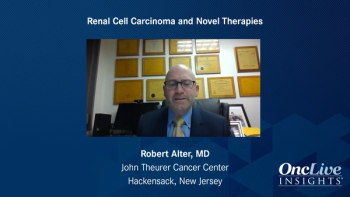
As the biology of renal cell carcinoma becomes better understood, so does the management of the disease, including the use of novel therapies.
December 23rd 2020
January 15th 2021
December 23rd 2020
January 29th 2021
January 8th 2021