SBRT plus nivolumab and ipilimumab did not improve PFS vs the dual checkpoint inhibitor regimen alone in advanced RCC.
SBRT plus nivolumab and ipilimumab did not improve PFS vs the dual checkpoint inhibitor regimen alone in advanced RCC.
No serious adverse effects were observed with TRX103 in patients with hematologic malignancies undergoing HLA-mismatched HCT.
Results from ReFocus showed a manageable safety profile and positive antitumor activity for lirafugratinib in FGFR2-mutated cholangiocarcinoma.

Neoadjuvant tislelizumab plus chemoradiotherapy yielded improved response rates in gastric cancer and gastroesophageal junction adenocarcinoma.

Richard Gorlick, MD, is a leading physician-scientist whose career and lifelong commitment to improving outcomes for children with cancer has been shaped by his personal journey as a childhood cancer survivor.
Tumor burden and disease status were not correlated with CRS risk or severity in newly diagnosed, relapsed/refractory myeloma managed with elranatamab.
Giredestrant improved invasive disease-free survival vs endocrine therapy in ER-positive, HER2-negative, medium- and high-risk early breast cancer.
The safety profile associated with MK-1045 administration was manageable with dose interruption and standard medical care.
Ziftomenib plus venetoclax and azacitidine was safe and effective in patients with relapsed/refractory AML harboring NPM1 mutations or KMT2A rearrangements.
Telisotuzumab adizutecan displayed early activity in locally advanced/metastatic PDAC.
The addition of atezolizumab to chemotherapy demonstrated noninferior survival vs chemotherapy alone in advanced or recurrent endometrial cancer.
regorafenib/nivolumab may encourage a search for more non-chemotherapy combinations for gastric cancer.

Belantamab mafodotin monotherapy was active and safe in patients with relapsed/refractory multiple myeloma.

Eque-cel was effective for the treatment of patients with relapsed/refractory multiple myeloma.

Adjuvant nivolumab plus chemotherapy led to a clinically meaningful reduction in relapse rates vs chemotherapy in resected NSCLC.

Frontline treatment with mosunetuzumab showed high antitumor activity in patients with marginal zone lymphoma regardless of risk status.
BGB-16673 was safe and effective for the treatment of patients with relapsed/refractory Waldenström Macroglobulinemia.

RET rechallenge following disease progression demonstrated greater efficacy with select combination therapies targeting bypass resistance vs single agents.

CAN-2409 plus prodrug and radiation therapy significantly improved DFS vs radiation therapy alone in intermediate-to-high-risk prostate cancer.
Cabozantinib plus atezolizumab or cabozantinib alone was effective regardless of prior immunotherapy or TKI treatment in second-line advanced RCC.

Talquetamab led to durable responses and promising survival outcomes in patients with relapsed/refractory multiple myeloma.
Glofitamab plus gemcitabine/oxaliplatin demonstrated improved PFS and OS compared with rituximab in patients with relapsed/refractory DLBCL.
The efficacy of relatlimab/nivolumab was consistent across patient subgroups vs ipilimumab/nivolumab in advanced melanoma.
Zanubrutinib in combination with venetoclax was highly active in patients with untreated chronic lymphocytic leukemia or small lymphocytic lymphoma.
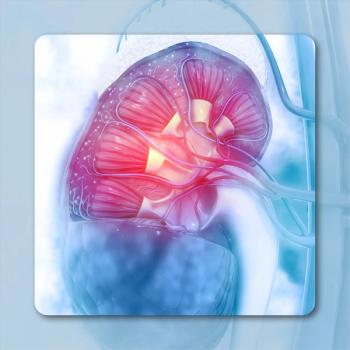
A high proportion of patients with renal tumors were discharged on the same day after receiving robotic partial nephrectomy.
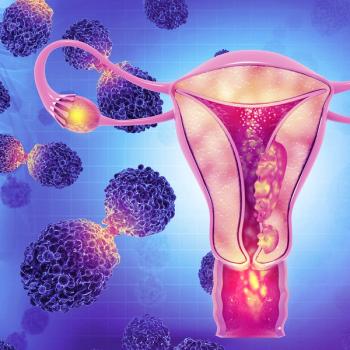
Treatment with abemaciclib plus hormonal therapy showed promise in LGSOC/EEC but not in HGSOC, and larger studies are needed to validate these findings.
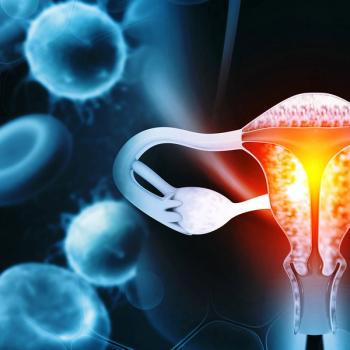
Patients with endometrial cancer had slightly higher CR rates with metformin plus a levonorgestrel-releasing IUD vs historical data with the IUD alone.
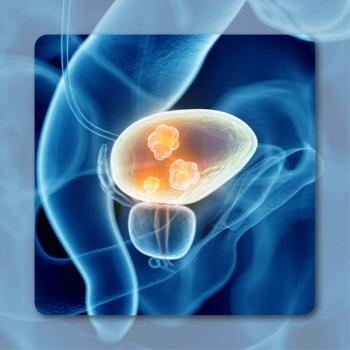
Neoadjuvant chemotherapy and concurrent chemoradiation could represent a safe, effective bladder-sparing approach in MIBC.
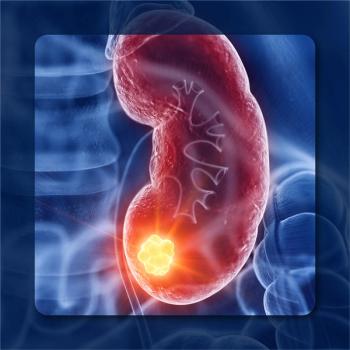
Greater responses were observed in a cohort of patients with renal cell carcinoma receiving lenvatinib plus belzutifan vs pembrolizumab plus lenvatinib.
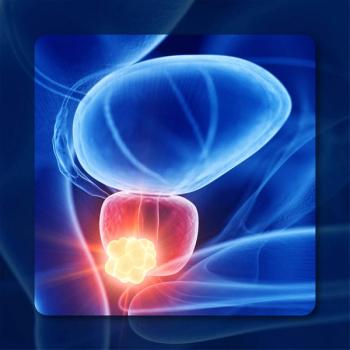
Treatment of EBRT with or without STAD for 6 months demonstrated an improvement in prostate cancer-specific survival in intermediate-risk prostate cancer.

September 5th 2025