

Komal Jhaveri, MD, FACP, discusses the emergence of oral SERDs and PROTACs in the treatment of estrogen receptor–positive advanced breast cancer.

Ryan Scott joined MJH Life Sciences in 2021. In addition to writing and editing timely news and article coverage, she has managed OncLive's social media accounts; check us out @onclive across platforms such as LinkedIn, Facebook, X, and Instagram! She attends conferences live and virtually to conduct video interviews and produce written coverage. Email: rscott@onclive.com
Komal Jhaveri, MD, FACP, discusses the emergence of oral SERDs and PROTACs in the treatment of estrogen receptor–positive advanced breast cancer.

As more therapies emerge for HER2-positive, -low, or -negative breast cancer, pathologists highlight the need for more precise methods of evaluating HER2 expression.
Tarlatamab demonstrated durable responses and long-term tolerability in patients with previously treated small cell lung cancer.
The FDA has granted fast track designation to the MCR1-targeted theranostic ligand VMT01 for unresectable or metastatic melanoma.
Tisagenlecleucel is moving to earlier lines of therapy for pediatric and young adult patients with relapsed/refractory B-cell acute lymphoblastic leukemia.
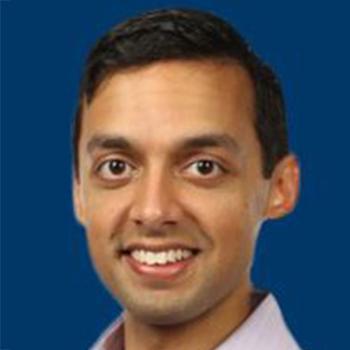
Rahul Banerjee MD, FACP, discusses how he decides between treatment approaches across subsets of patients with multiple myeloma.
Bradley McGregor, MD, discusses how abemaciclib monotherapy did not elicit clinically meaningful activity in heavily pretreated metastatic clear cell RCC.
Alessandra Tedeschi, MD, discusses preliminary data from arm D of the SEQUOIA trial evaluating zanubrutinib plus venetoclax in high-risk, untreated CLL/SLL.
Courtney Van Houzen, PharmD, discusses key factors to be aware of when implementing bispecific T-cell engager programs into the community setting.
NXP800 was granted orphan drug designation by the FDA for the treatment of ARID1a-deficient ovarian, fallopian tube, and primary peritoneal cancers.

As the dissemination of information in oncology is spread using social media platforms, the potential for misinformation remains a key hurdle.
Rahul Banerjee MD, FACP, discusses various dosing strategies and schedules for bispecific antibodies in multiple myeloma.

Emre Yekedüz, MD, discusses the exploration of biomarker-driven therapeutic approaches in renal cell carcinoma.
Rahul Banerjee MD, FACP, discusses the rapidly evolving therapeutic landscape of bispecific antibodies in the treatment of patients with multiple myeloma.

Suzanne Trudel, MSc, MD, discusses updated data from the DREAMM-7 and DREAMM-8 trials of belantamab mafodotin–based regimens in R/R multiple myeloma.

Erdafitinib was approved by the European Commission for pretreated unresectable or metastatic urothelial carcinoma harboring FGFR3 alterations.

Olaparib produced responses in high-risk, biochemically recurrent prostate cancer with HRR alterations, particularly BRCA2 alterations.
Emre Yekedüz, MD, discusses a case study shared via an OncLive X poll on the adjuvant treatment of clear cell renal cell carcinoma.
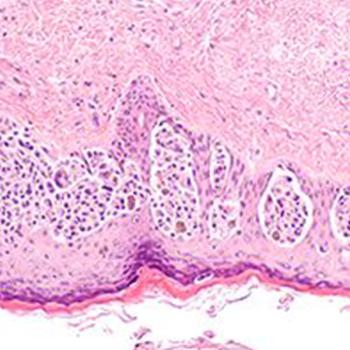
Adjuvant pembrolizumab did not have a significant impact on long-term HRQOL outcomes in patients with resected stage III melanoma.
Neil J. Shah, MBBS, discusses real-world outcomes of patients with metastatic RCC receiving treatment in the post-IO/TKI setting following progression.
Andrew Hantel, MD, discusses environmental and health impacts of decentralizing cancer care in response to high emissions generated by US health care.
Andrew Hantel, MD, discusses the evaluation of eligibility criteria in acute myeloid leukemia clinical trials that may perpetuate racial disparities.
The FDA has accepted an NDA for vimseltinib for the treatment of patients with tenosynovial giant cell tumor, with a PDUFA date of February 17, 2025.
Renee Maria Saliby, MD, MS, discusses potential intermediate end points for overall survival in previously treated metastatic renal cell carcinoma.
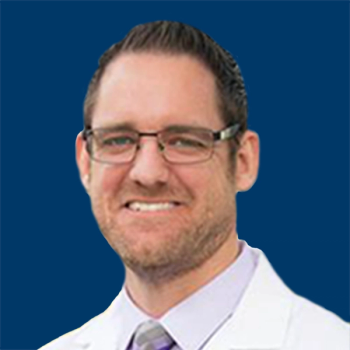
Geoffrey Shouse, DO, PhD, discusses the benefits of utilizing targeted therapy approaches in the treatment of patients with follicular lymphoma.
Rhenium obisbemeda proved feasible and safe for patients with leptomeningeal metastases in an interim analysis of the phase 1 ReSPECT-LM trial.
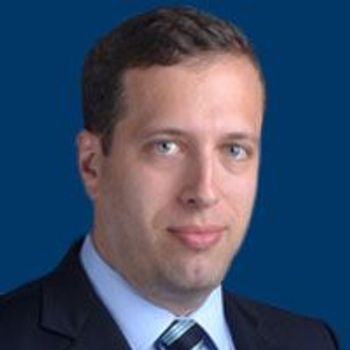
Michael R. Grunwald, MD, discusses findings from a real-world observational study of risk factors related to disease progression in polycythemia vera.

Pacritinib was tolerable with a reasonable safety profile in patients with solid tumors harboring 1q21.3 copy number amplifications.

Alexey Danilov, MD, PhD, highlights non-chemotherapy options for the treatment of mantle cell lymphoma and expands on ongoing research in hematologic malignancies.

Suvemcitug plus chemotherapy improved progression-free survival in platinum-resistant ovarian cancer.