



Disparities in Cancer Care
Latest News

SPEECH Conference Highlights Multiplicity of Ongoing Efforts in Cancer Care Equity
By Kyle Doherty
Advertisement
Latest Videos




































































Advertisement
More News
Mara Koelker, MD, discusses the rationale of evaluating racial differences in QOL for patients with prostate cancer and ways to address these short-term disparities in a real-world setting.

Yayi Zhao, discusses how the prevalence of existing medical conditions and clinical factors may vary by race and effect eligibility for enrollment in clinical trials in patients with cancer.
Shahrzad A. Zamani, discusses the prevalence of cancer disparities in patients with cancer in sexual and gender minority populations.
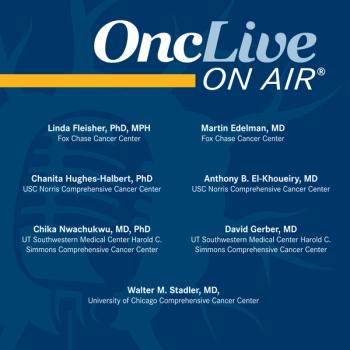
Faculty across 4 institutions discuss their participation in a 4-team initiative launched by Stand Up To Cancer® that focuses on expanding access to cancer care and research.
Adana A.M. Llanos, PhD, MPH, discusses the relationship between prediagnostic allostatic load and breast cancer clinicopathology in Black women.

Christopher Lathan, MD, MS, MPH, discusses socioeconomical and clinical findings from a clinical outreach program incorporating cancer diagnostic services and patient navigation for patients from traditionally underserved populations.
Nathalie McDowell Johnson, MD, FACS, discusses the accuracy of genomic testing in Black women with estrogen receptor-positive breast cancer.
To expand access to cancer care and research, Stand Up To Cancer® has launched a 4-team initiative across the United States designed to fill in these gaps in care and remove barriers to entry.

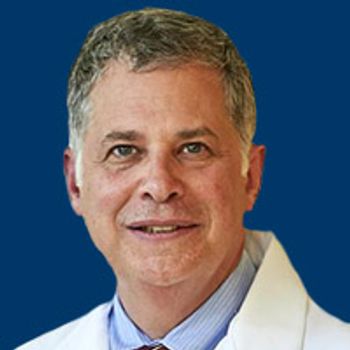
Walter M. Stadler, MD, discusses his role within the Stand Up To Cancer® 4-team initiative, where he will aim to enhance diversity in early-phase clinical trials in underserved urban community.

Martin Edelman, MD, and Linda Fleisher, PhD, MPH, discuss their role within the Stand Up To Cancer® 4-team initiative, focusing on diversity in early-phase clinical trials.
David Gerber, MD, and Chika Nwachukwu, MD, PhD, discuss their role within the Stand Up To Cancer® 4-team initiative, focusing on diversity in early-phase clinical trials.
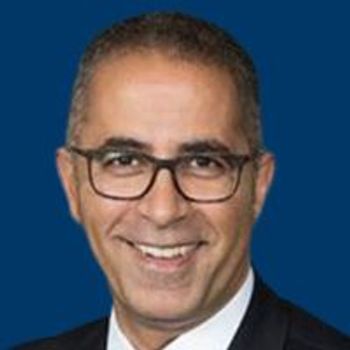
Anthony B. El-Khoueiry, MD, and Chanita Hughes-Halbert, PhD, discuss their role within the Stand Up To Cancer® 4-team initiative, focusing on diversity in early-phase clinical trials.
Nathalie McDowell Johnson, MD, FACS, discusses the importance of diverse representation in breast cancer clinical trials.

Matthew J. Ehrhardt, MD, MS, discusses the link between modifiable chronic health conditions and social determinants of health with late mortality for survivors of childhood cancer.

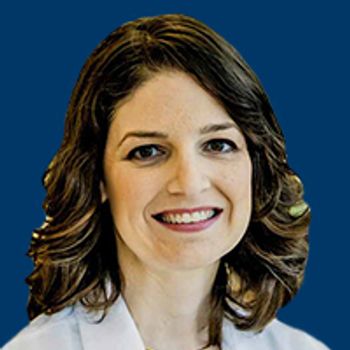
Virginia Kaklamani, MD, discusses how racial disparities may affect patient outcomes and treatment expectations based on data from the RxPONDER trial in breast cancer.
A renewed focus on dismantling the barriers and closing gaps in care will aid in the mission to drive down the rate of cancer mortality and incidence across disease states.
The National Comprehensive Cancer Network has partnered with the American Cancer Society Cancer Action Network and the National Minority Quality Forum to launch the new Health Equity Report Card pilot program to address structural and interpersonal bigotry that results in disparities in cancer care and outcomes.
Daniel King, MD, PhD, discusses the results of an institutional review evaluating socioeconomic factors associated with disparities for germline genetic testing in patients with pancreatic adenocarcinoma, why germline testing is necessary for thi population, and how he is addressing gaps in germline testing in his own practice.
The risk for developing hepatocellular carcinoma appears to increase with subsequent generations for Americans of Mexican descent, according to findings from a study of US-born Hispanics/Latinos living in Los Angeles, California.
Results from a study of 318,549 Medicare beneficiaries with poor-prognosis cancers showed than Black and Hispanic patients were substantially less likely to receive any opioids or long-acting opioids than White patients at the end of life.
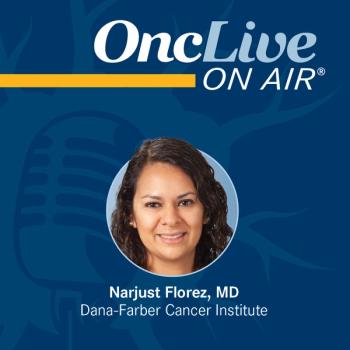
Dr Florez discusses why cancer care equity and survivorship should be a priority for all physicians, the steps the health care system needs to take to address disparities in these areas, and specific ways that Dana-Farber is working to close these gaps.
Bridget A. Oppong, MD, discussed the importance of recognizing and addressing gaps in outcomes between patients with breast cancer in different racial groups. She also addressed the need for better advocacy for Black patients and advocated for improved screening guidelines to close the gap in racial disparities in breast cancer care.

Pei-Ling Chen, MD, PhD, discusses epidemiology and racial disparities in CTCL.
R. Lor Randall, MD, FACS, discusses how disparities may lead to worse outcomes for patients diagnosed with head and neck cutaneous soft tissue sarcomas.

Dr Velcheti discusses planned research into whether mobile technology services can improve patient outcomes for underserved and underrepresented patient populations.
Advertisement
Advertisement
Trending on OncLive
1
FDA Approves Tucatinib Plus Trastuzumab/Pertuzumab as First-Line Maintenance in Advanced HER2+ Breast Cancer
2
VIR-5500 Receives FDA Fast Track Designation in mCRPC
3
Iberdomide Plus Daratumumab/Dexamethasone Yields Significant PFS Benefit in R/R Myeloma
4
FDA Approves Atezolizumab Plus Chemo for Stage III dMMR Colon Cancer
5