

Disparities in Cancer Care
Latest News

World Cancer Day Highlights Ways to Address Gaps in Care for Black Patients With Breast Cancer
By Ryan Scott
Advertisement
Latest Videos




Podcasts































































Advertisement
More News
Benjamin Garmezy, MD, discusses the treatment of patients with cancer in the community care setting, highlighting the need to include those from this population in enrollment to clinical trials.
Arnold Etame, MD, PhD, discusses the effects of a patient’s socioeconomic status on the cancer treatment options they receive.
Moshe Kelsen, MBA, discusses ongoing initiatives that aim to improve diversity, equity, and inclusion for patients with cancer receiving treatment at Columbia University.
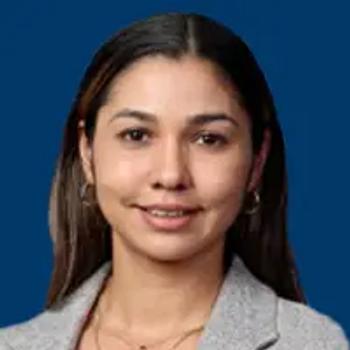
Marisol Miranda-Galvis, DDS, MS, PhD, highlights the importance of understanding which social determinants of health have the greatest influence on treatment-related outcomes in patients with hematologic malignancies, expands on key variables identified in a systematic review of these disparities, and emphasizes the importance of continuing to implement new strategies to increase access to quality treatments.

Ana Velázquez Mañana, MD, discusses findings from a study determining survivorship care needs in low-income, older patients with lung cancer.
Renee Kurz, DNP, FNP-BC, AOCNP, discusses social determinants of health that can contribute to disparities in cancer care, highlighting examples seen throughout New Jersey that emphasize the need for further investigation into this landscape.

Anand Narayan, MD, PhD, discusses how outcomes differ between different subgroups of patients who are diagnosed with breast cancer, highlighting how these differences tie back to disparities in cancer care.
Marisol Miranda-Galvis, DDS, MS, PhD, discusses the investigation of disparities in survival outcomes of patients with hematologic malignancies relating to social determinants.
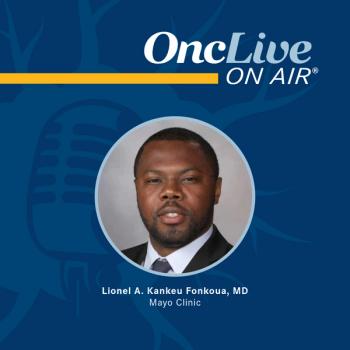
Dr Fonkoua discusses the ways in which common clinical trial enrollment criteria in oncology exclude patients from underrepresented groups, enrollment disparities that uniquely affect patients with liver cancer, and initiatives that Mayo Clinic is participating in to eliminate barriers to clinical trial enrollment.

Lionel A. Kankeu Fonkoua, MD, discusses the importance of addressing barriers to clinical trial access that patients with cancer may face and increasing patient access to routine, primary care.

Lionel A. Kankeu Fonkoua, MD, discusses prevalent liver cancer clinical trial enrollment disparities.
Logan Roof, MD, discusses the importance of investigating demographic disparities that exist in lung cancer mortality, expands on the results of the population-based CDC database analysis, and discusses potential next steps to address these disparities in the future.
Lionel A. Kankeu Fonkoua, MD, discusses how the platinum chemotherapy shortage in the United States may exacerbate disparities in cancer care and the importance of conducting research to investigate the potential implications of this shortage on patients in underserved communities.
Ana I. Velazquez Manana, MD, MSc, discusses how systemic racism appears in oncology.

Natasha Kwendakwema, MD, discusses findings from a study on the effects of adverse financial events on treatment costs at the end of life and health care utilization in patients with cancer.

Hiba Khan, MD, MPH, discusses how adverse financial events may contribute to the risk of early mortality in patients with cancer.
Logan Roof, MD, discusses findings from a study investigating trends in lung cancer mortality across different sociodemographic populations and locations in the United States between 1999 and 2020.
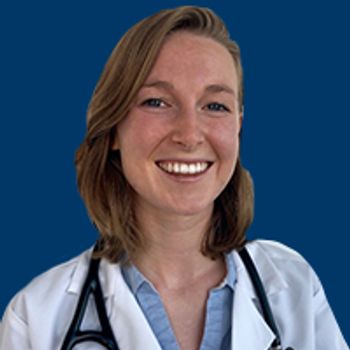
Isabelle Franklin discusses the effects of social determinants of health on rates of colorectal cancer screening, expands on how these social determinants of health could affect a patient’s likelihood of adhering to screening guidelines, and highlights ways to potentially address these barriers to screening.
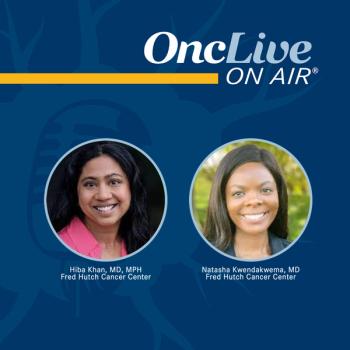
Drs Khan and Kwendakwema discuss the methods and design of two studies investigating adverse financial events in patients with cancer, the future implications of these findings, and the importance of continued investigation in this area.
Dr Manana discusses how systemic racism appears in oncology practice, tools clinicians can use to learn about and address their implicit biases, and the importance of connecting patients with a multidisciplinary team to provide necessary resources and care.
Amy Jones, MD, details the socioeconomic challenges with patients coming into the Dallas County clinics and how oncology fellows become equipped to address them.

STAT2 expression in patients with hepatocellular carcinoma increases with tumor grade and cancer stage, with increases occurring at greater rates among Asian and African American patients.

Latinx patients with cancer had a low rate of tumor genomic profiling, partially due to structural and cultural barriers, according to findings from a qualitative study presented during the 5th Annual Regional SPEECH Conference and Retreat.

Coral O. Omene, MD, PhD, discusses the need to improve early access to breast cancer screenings for patients in underserved populations and recent updates to the National Comprehensive Cancer Network Guidelines on breast cancer screening.
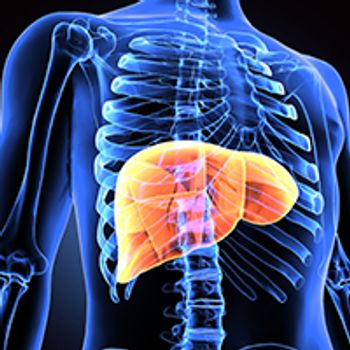
Individuals in Philadelphia and New York City who were screened for the common liver cancer risk factors hepatitis B virus or hepatitis C virus displayed a higher level of knowledge of liver cancer.
Advertisement
Advertisement
Trending on OncLive
1
FDA Approves Tucatinib Plus Trastuzumab/Pertuzumab as First-Line Maintenance in Advanced HER2+ Breast Cancer
2
VIR-5500 Receives FDA Fast Track Designation in mCRPC
3
Iberdomide Plus Daratumumab/Dexamethasone Yields Significant PFS Benefit in R/R Myeloma
4
FDA Approves Atezolizumab Plus Chemo for Stage III dMMR Colon Cancer
5