



Immuno-Oncology
Latest News
Advertisement
Latest Videos




































































Advertisement
More News

A new model based on 6 clinical factors may be able to predict overall survival for patients with advanced urothelial cancers being treated with the PD-L1 inhibitor atezolizumab.

The combination of atezolizumab and bevacizumab reduced the risk of progression or death by 26% compared with sunitinib for patients with untreated PD-L1–positive metastatic renal cell carcinoma.

The combination of nivolumab and ipilimumab improved progression-free survival compared with chemotherapy in treatment-naïve patients with high tumor mutation burden non–small cell lung cancer.
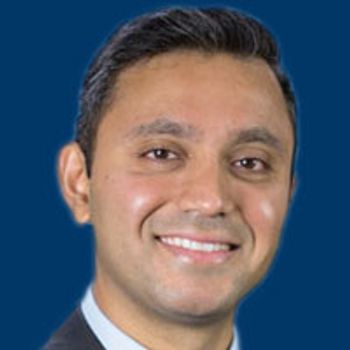
Arjun V. Balar, MD, discusses the landscape of current and future standards of care for immunotherapy in bladder and kidney cancer.
Despite positive clinical trial results, the role of immunotherapy in renal cell carcinoma remains unclear.
The gene-editing tool known as CRISPR may eventually enable oncology investigators to create methods for killing tumors directly, but thus far, the focus is on enhancing forms of immunotherapy already in clinical practice.

David R. Wise, MD, PhD, discusses the promise for immunotherapy and other emerging approaches in the field of prostate cancer.













Most patients who appear to progress after they begin receiving anticancer immunotherapy will never exhibit a response to therapy.


Advertisement
Advertisement
Trending on OncLive
1
FDA Approves Tucatinib Plus Trastuzumab/Pertuzumab as First-Line Maintenance in Advanced HER2+ Breast Cancer
2
GI Cancer Monthly Rewind: Key News and Expert Insights You May Have Missed in September 2026
3
Five Under 5: Top Oncology Videos for the Week of 10/5/2026
4
FDA Grants Fast Track Designation to PSV359 for Advanced FAP-Positive Solitary Fibrous Tumors
5