







































































Durvalumab received approval from Health Canada for patients with LS-SCLC whose disease has not progressed after platinum-based chemoradiation.


Educational Intervention Seeks to Decrease Barriers to Cancer Clinical Trial Enrollment
Durvalumab received approval from Health Canada for patients with LS-SCLC whose disease has not progressed after platinum-based chemoradiation.
The FDA has awarded full approval to frontline nivolumab plus ipilimumab for the treatment of adult patients with unresectable hepatocellular carcinoma.

A phase 1 trial demonstrated that AFM13-NK cells are safe and highly effective in heavily pretreated patients with lymphomas.

Michael J. Morris, MD, discusses data from the PSMAfore trial that supported the FDA expanded approval of lutetium Lu 177 vipivotide tetraxetan in mCRPC.

Educating patients and health care providers about BiTE-associated CRS and ICANS increases comfort levels with giving these agents in outpatient settings.
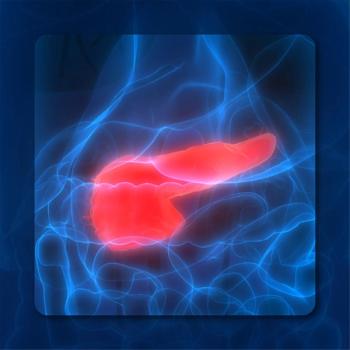
The association between greater hematologic AEs and increased OS necessitates early receipt of G-CSF after NALIRIFOX infusion for patients with PDAC.

Social factors including financial needs and stress caused increased levels of psychoneurological symptoms in breast cancer survivors.

A clinical trial steering committee from the Mount Sinai Health System helped integrate therapeutic clinical trials into the SOC for patients with cancer.

Diarrhea is common in patients with PDAC treated with NALIRIFOX and can be proactively managed or mitigated to potentially improve survival outcomes.

Subcutaneous nivolumab demonstrated comparable efficacy, safety, and tolerability to IV nivolumab in advanced clear cell renal cell carcinoma.

ARANOTE data underscore that combining darolutamide with ADT benefits patients with mHSPC irrespective of whether they also receive docetaxel.
A study identified individual and non-individual factors as barriers to breast cancer screening for women in Jordan.

The bevacizumab biosimilar Jobevne was approved by the FDA for the treatment of several solid tumor types, including mCRC, NSCLC, and RCC.
The FDA has granted full approval to larotrectinib for select patients with solid tumors harboring a NTRK gene fusion.

Roswell Park Comprehensive Cancer Center achieved textbook outcomes for 90% of 150 robot-assisted minimally invasive esophagectomies from 2020-2024.
Phase 1b data support further exploration of intravenous sirolimus in patients with malignant PEComa.
Michael J. Morris, MD, discusses the FDA expanded approval of lutetium Lu 177 vipivotide tetraxetan in PSMA-positive mCRPC.

SON-1010 plus atezolizumab was safe and showed clinical activity in platinum-resistant ovarian cancer and other advanced solid tumors.
Osimertinib plus Dato-DXd elicits responses in patients with EGFR-mutated advanced NSCLC who progressed on first-line osimertinib.

Scientists transform genetic culprit behind treatment resistance into a skillful tool to use against cancer
The ZEISS INTRABEM 700 platform received 510(k) clearance from the FDA for use in neuro-oncology and breast cancer surgery.
An independent DSMB found MaaT033 to have a favorable safety profile in patients with hematologic malignancies undergoing allo-HSCT in the PHOEBUS trial.
Chandler Park, MD, FACP, discusses optimal clinical scenarios for the use of the 3 approved first-line treatment options for patients with bladder cancer.
As we plan for a future with solid tumor CAR T-cell therapy, we should be mindful of lessons learned from CAR T-cell agents for hematologic malignancies.

Subcutaneous and intravenous pembrolizumab provided comparable efficacy and safety in patients with previously untreated, metastatic non–small cell lung cancer.