






































































Press Release
Martin Dietrich, MD, PhD, of Florida Cancer Specialists, has been named the 2022 Man of the Year by the Orlando Chapter of the Leukemia & Lymphoma Society.


FDA Approval Sought for Adjuvant Pembrolizumab in Stage IB to IIIA NSCLC Following Surgical Resection

Ropeginterferon Alfa-2b Demonstrates Long-Term QOL Improvements in Polycythemia Vera
Press Release
Martin Dietrich, MD, PhD, of Florida Cancer Specialists, has been named the 2022 Man of the Year by the Orlando Chapter of the Leukemia & Lymphoma Society.

The combination of talquetamab and daratumumab led to early onset and durable responses that deepened over time in patients with heavily pretreated multiple myeloma, most of whom were anti-CD38 refractory, according to findings from the phase 1b TRIMM-2 study.
The combination of pelabresib and ruxolitinib produced responses that proved to be durable beyond week 24 in patients with myelofibrosis who experienced a suboptimal response to ruxolitinib and in those who were JAK inhibitor naïve.
The combination of epcoritamab and R-CHOP produced high overall response rates and complete metabolic response rates with a manageable toxicity profile in patients with diffuse large B-cell lymphoma.
The phase 3 BRUIN CLL-313 trial is currently recruiting patients with treatment naïve chronic lymphocytic leukemia or small lymphocytic lymphoma to evaluate the efficacy and safety of pirtobrutinib monotherapy vs bendamustine plus rituximab.
Zandelisib, a potent and selective oral PI3Kδ inhibitor, elicited a high overall response rate as a single agent in heavily pretreated patients with relapsed or refractory follicular lymphoma, according to data from the phase 2 TIDAL trial.

The combination of obinutuzumab plus chemotherapy delivered superior long-term progression-free survival benefit for patients with treatment-naïve follicular lymphoma.

Treatment with the R-CODOX-M and R-IVAC regimens elicited similar efficacy to dose-adjusted infused DA-EPOCH-R in patients with newly diagnosed, high-risk Burkitt lymphoma.

The longest duration of reduction in red blood cell transfusion dependence was reported among patients with β-thalassemia who received continued treatment with luspatercept-aamt in the updated data from the phase 3 BELIEVE trial.
The triplet combination regimen comprised of quizartinib, decitabine, and venetoclax elicited encouraging responses in heavily pretreated patients with relapsed/refractory FLT3-ITD–mutated acute myeloid leukemia who were previously exposed to a FLT3 inhibitor.
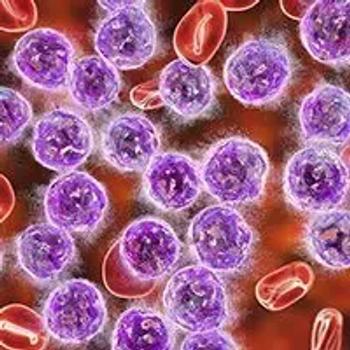
The first-in-class, subcutaneously administered T-cell–engaging bispecific antibody epcoritamab demonstrated deep and durable responses in patients with relapsed/refractory large B-cell lymphoma.

Jeff Sharman, MD, discusses 5-year follow-up data from the phase 3 Elevate CLL TN trial in treatment-naïve patients with chronic lymphocytic leukemia.
Momelotinib demonstrated significant improvements in symptoms, spleen size, and anemia measures compared with danazol in patients with symptomatic and anemic myelofibrosis who previously received treatment with a JAK inhibitor.

Decitabine demonstrated a comparable overall survival and rate of hematopoietic stem cell transplant in addition to a lower incidence of adverse effects vs induction chemotherapy with daunorubicin and cytarabine in older patients at least 60 years of age with acute myeloid leukemia.

ARI0002H, a BCMA-directed CAR T-cell therapy, achieved promising response rates in patients with relapsed/refractory multiple myeloma, according to findings from a phase 1/2 trial.
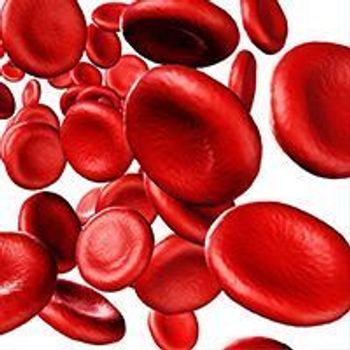
Time-limited targeted therapy with venetoclax plus obinutuzumab with or without ibrutinib demonstrated superior progression-free survival outcomes compared with standard chemoimmunotherapy in patients with chronic lymphocytic leukemia.
The addition of quizartinib to standard induction and consolidation chemotherapy and then continued as a single agent doubled median overall survival vs standard chemotherapy alone in patients with newly diagnosed FLT3-ITD–positive acute myeloid leukemia.
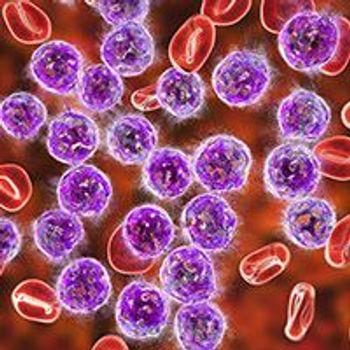
Patients with relapsed/refractory chronic lymphocytic leukemia or small lymphocytic leukemia assigned to zanubrutinib reported better health-related quality of life than those administered ibrutinib.

Single-agent acalabrutinib continued to showcase favorable efficacy, with a notable benefit in progression-free survival benefit over standard-of-care regimens and a consistent toxicity profile, in patients with relapsed/refractory chronic lymphocytic leukemia.
Epcoritamab in combination with gemcitabine plus oxaliplatin displayed encouraging responses with no new safety signals among patients with relapsed/refractory diffuse large B-cell lymphoma who are ineligible for autologous stem cell transplant, according to initial results from the phase 1b/2 EPCORE NHL-2 trial.
Epcoritamab plus rituximab, dexamethasone, cytarabine, and oxaliplatin or carboplatin displayed encouraging responses in patients with relapsed/refractory diffuse large B-cell lymphoma who are eligible for autologous stem cell transplant, according to preliminary results from arm 4 of the phase 1b/2 EPCORE NHL-2 trial.
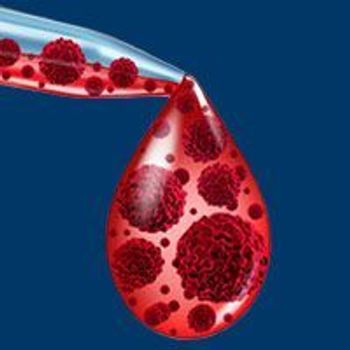
Single-agent pirtobrutinib is being investigated for safety and efficacy in heavily pretreated, BTK inhibitor–naïve patients with mantle cell lymphoma in the ongoing phase 3 BRUIN-MCL-321 trial.

Oral azacitidine was associated with improved long-term survival in patients with acute myeloid leukemia who harbored NPM1 mutations, had intermediate-risk cytogenetics at diagnosis, had a longer treatment duration, or a minimal residual disease response during treatment.
The combination of the PD-1 antibody sintilimab and decitabine elicited potent clinical activity and manageable safety with no grade 4 or 5 treatment-related adverse effects as frontline therapy in patients with higher-risk myelodysplastic syndrome, according to preliminary results from a phase 2 trial.
The fixed-duration, frontline combination comprised of ibrutinib and venetoclax continued to produce deep, durable responses with a clinically meaningful progression-free survival benefit in patients with chronic lymphocytic leukemia or small lymphocytic lymphoma.