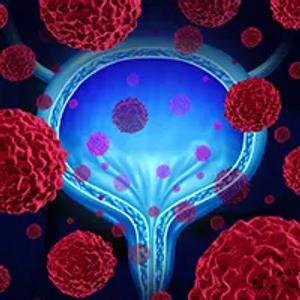
Expression of DLL3, an inhibitor ligand of the Notch pathway associated with tumorigenesis, has emerged as a target of interest for drug development.

Managing Editor, OncLive®
Brittany Lovely is a managing editor for the OncologyLive® print publication and editor of the Miami Breast Cancer Conference® and Chemotherapy Foundation Symposium® dailies. Email: blovely@mjhassoc.com
Expression of DLL3, an inhibitor ligand of the Notch pathway associated with tumorigenesis, has emerged as a target of interest for drug development.

Osimertinib in combination with platinum-based therapy and pemetrexed demonstrated a statistically significant and clinically meaningful improvement in progression-free survival vs osimertinib monotherapy in patients with EGFR-mutated advanced non–small cell lung cancer.

Early antitumor activity has been observed in patients with metastatic non–small cell lung cancer treated with the combination of sacituzumab govitecan-hziy and pembrolizumab in the first-line setting.

Varying outcomes were observed among adolescent and young adult patients with Philadelphia chromosome-negative acute lymphoblastic leukemia who were treated with pediatric-inspired protocols vs adult chemotherapy regimens.

Emerging strategies leveraging biomarker data for the treatment of patients with early-stage and metastatic colorectal cancer have made precision medicine a top-of-mind topic for gastrointestinal oncologists.
Findings from an analysis of treatment patterns for patients with systemic amyloid light chain amyloidosis have demonstrated that several unmet needs exist, including timely diagnosis and limited survival outcomes for patients with advanced disease.

ASCO has released an update to the guidelines for the practical assessment and management of vulnerabilities in older patients receiving systemic cancer therapy.

Joseph Christopher Murray, MD, discusses the role of prognostic markers in non–small cell lung cancer and how data from the EMPOWER trials will guide future directions in the space.

Determining the appropriate front-line treatment pathway for patients with clear cell renal cell carcinoma may not always align with risk stratification features.

As more is understood about the biology of PDAC tumors, targeting common KRAS variants in these tumors following exhaustion of all curative intent surgery, chemotherapy, and radiation ushers in a novel postadjuvant setting for investigators.

Enhanced antitumor activity was shown with the addition of the PARP inhibitor olaparib to the radioligand lutetium Lu 177 vipivotide tetraxetan in patients with metastatic castration-resistant prostate cancer.

Treatment with fixed-duration ibrutinib plus venetoclax for patients with chronic lymphocytic leukemia in the first-line setting elicited durable responses and sustained progression-free survival outcomes regardless of high-risk genomic features.

The arrival of the Enhancing Oncology Model has renewed the uncertainties surrounding value-based care approaches for practices opting into the next wave of Center for Medicare & Medicaid Services performance structure

A panel of head and neck cancer experts discussed the nuances of managing relapsed or refractory DTC with lenvatinib or sorafenib, as well as sequencing considerations with targeted therapies in the second-line setting and beyond for patients with relapsed or refractory disease.

Patients with primary or secondary TP53 wild-type myelofibrosis who experienced suboptimal response to ruxolitinib had clinically meaningful improvements in spleen volume reduction with the addition of navtemadlin to ruxolitinib,
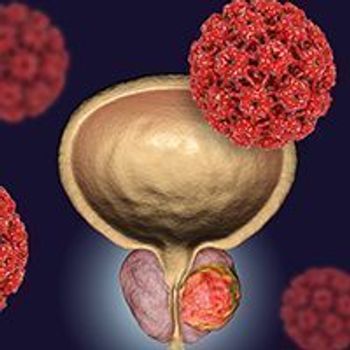
Erdafitinib reduced the risk of death by 36% vs investigator’s choice of chemotherapy in patients with FGFR2/3-altered metastatic urothelial cancer who were previously treated with anti–PD-1 therapy, according to findings from the phase 3 THOR trial.

The 5.4-mg/kg dose of trastuzumab deruxtecan elicited numerically higher activity in patients with HER2-positive, metastatic colorectal cancer compared with the 6.4-mg/kg dose.

When manufactured via automated process the CLDN6-directed CAR T-cell therapy, BNT211, demonstrated encouraging signs of activity and a manageable safety profile with or without the addition of CLDN6-encoding mRNA vaccine in patients with CLDN6-positive relapsed/refractory advanced solid tumors.

A clinically meaningful absolute risk reduction in invasive disease-free survival and distant relapse-free survival with abemaciclib plus endocrine therapy was maintained in patients with hormone receptor–positive, HER2-negative, high-risk early breast cancer regardless of age.

Sunandana Chandra, MD, MS, Anna C. Pavlick, DO, MSc, MBA, BSN, and Nikhil Khushalani, MD, discuss the importance of multidisciplinary care in CSCC and patient counseling regarding available therapies.

Fam-trastuzumab deruxtecan-nxki was associated with better efficacy outcomes compared with treatment of physician’s choice in patients with HER2-low, estrogen receptor-low metastatic breast cancer, according to findings from a subgroup analysis of the phase 3 DESTINY-Breast04 study.

Patients with low-grade serous ovarian carcinoma historically have demonstrated a benefit with hormonal maintenance therapy following cytoreductive surgery and platinum-based chemotherapy.

Patient-reported outcomes with fam-trastuzumab deruxtecan-nxki in HER2-positive metastatic breast cancer reflected the regimen’s favorable risk-benefit profile in the phase 3 DESTINY-Breast02 trial, according to findings presented during the 2023 ESMO Breast Cancer Annual Congress.

As more treatment options enter the oncology landscape, access to these life-changing medicines has become a paramount concern.

Onco-nursing experts highlight the best practices and latest treatment regimens for patients presenting with the 3 most common myeloproliferative neoplasms: myelofibrosis, polycythemia vera, and essential thrombocythemia.
LY3537982, an investigative KRAS G12C inhibitor, demonstrated clinical efficacy across patients with non–small cell lung cancer, colorectal cancer, and other solid tumors.
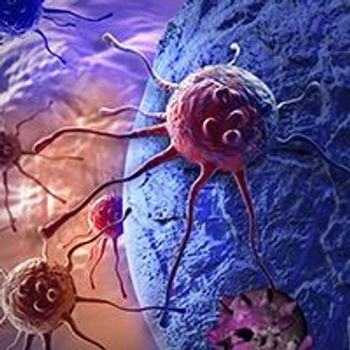
Preclinical data have demonstrated activity of a novel, small molecule CDK2 inhibitor INCB123667 in CDK2/cyclin E1 expressing cell lines prompting investigators to initiate a phase 1 study, and the agent may fill an unmet need for patients with cancers with primary or acquired CDK4/6 resistance.

The antibody-drug conjugate trastuzumab deruxtecan led to durable responses and a tolerable safety profile in patients with HER2-expressing uterine carcinosarcoma.

Investigators of an ongoing phase 1a/1b multicohort trial are studying whether addition of adaptive immune activators increases the benefit derived from anti–PD-1 antibodies in multiple tumor types.
With an overall 5-year survival rate of under 15% in patients with metastatic colorectal cancer, investigators have sought to parse mutational analyses to increase gains.