




































































Patients with carcinoid syndrome reported improved symptoms following treatment with telotristat ethyl.

Lenvatinib Plus Pembrolizumab Displays Strong Efficacy in Advanced Endometrial Cancer
Yale Cancer Center Study Shows New Strategy to Boost Immune System to Fight Melanoma
Patients with carcinoid syndrome reported improved symptoms following treatment with telotristat ethyl.
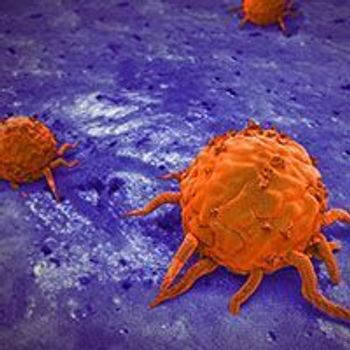
Prophylactic octreotide can be safely discontinued in patients with neuroendocrine tumors undergoing operation, as stopping its use has not been shown to increase the rate or duration of carcinoid crisis.
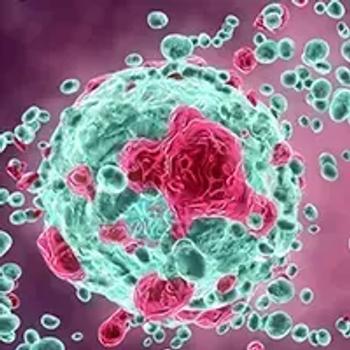
The combination of surufatinib and toripalimab demonstrated promising clinical activity with a manageable safety profile when used as second-line treatment for patients with advanced neuroendocrine carcinoma.
The FDA has approved ropeginterferon alfa-2b-njft for use as a treatment in patients with polycythemia vera.
The combination of eftilagimod alpha and paclitaxel produced a modest increase in median overall survival in patients with endocrine-resistant hormone receptor–positive/HER2-negative metastatic breast cancer. Though, the effects were significant in patients younger than 65 years old, had low monocytes, or had more aggressive disease.
ATG-101, a novel PD-L1/4-1BB bispecific antibody, demonstrated good in vivo efficacy, safety without hepatotoxicity, and pharmacokinetic/pharmacodynamic properties in cynomolgus monkeys.

The innate cell engager AFM24 showed greater efficacy in eliciting antibody-dependent cellular phagocytosis of EGFR wild-type and KRAS-mutant tumor cells compared with cetuximab.

The DuoBody®-CD3x5T4 was found to induce secretion of granzyme B and efficiently kill tumor cells in co-cultures of healthy donor T cells and patient-derived head and neck squamous cell carcinoma cell lines.

The European Medicines Agency’s Committee for Medicinal Products for Human Use has adopted a positive opinion recommending the conditional marketing authorization of sotorasib for the treatment of adult patients with advanced non–small cell lung cancer whose tumors harbor a KRAS G12C mutation and who have progressed after at least 1 prior line of systemic therapy.
Surufatinib demonstrated strong antitumor activity along with a manageable safety profile in heavily treated US patients with progressive extrapancreatic neuroendocrine tumors or pancreatic NETs, according to interim phase 1 data.
Gamida Cell Ltd. has completed a Type B Pre-Biologics License Application meeting with the FDA to discuss the investigational advanced cell therapy omidubicel as a potential therapeutic option for patients with blood cancers who require stem cell transplant.

Florida Cancer Specialists & Research Institute, in collaboration with AdventHealth Heart of Florida and Central Florida Cancer Institute, has received a three-year accreditation from the National Accreditation Program for Breast Centers, a quality program of the American College of Surgeons.

Treatment selection and sequencing in genitourinary cancers, such as metastatic bladder cancer and metastatic renal cell carcinoma, have become more complicated and require nuanced decision making.
The administration of trilaciclib prior to chemotherapy reduced chemotherapy-induced myelosuppression and the need for associated supportive care in patients with extensive-stage small cell lung cancer.

It is crucial to understand and interpret the results from the landmark clinical trials in the context of recent FDA approvals in gastroesophageal cancers.
Chemotherapy has demonstrated mixed findings in patients with resectable colorectal hepatic metastases, and long-term data suggest incorporating it into treatment algorithms have little impact on overall survival.
Although BCMA-directed CAR T-cell therapy has shown early and deep responses in patients with relapsed/refractory multiple myeloma, there is much more to learn about optimal cytokine release syndrome and neurotoxicity management and treatment sequencing, particularly as off-the-shelf T-cell therapies, bispecific antibodies, and non–BCMA-directed therapies become available.

American Oncology Network, LLC, a high-growth national network of independent community oncologists, is pleased to announce the opening of Desert Hematology Oncology in Surprise, Ariz.
The FDA has granted an orphan drug designation to LYT-200, a fully human IgG4 monoclonal antibody targeting galectin-9, for use as a potential therapeutic option for patients with pancreatic cancer.
Matthew Galsky, MD, discusses the role of immunotherapy in urothelial cancer, as well as unmet needs and future research directions for this patient population.
Lanreotide autogel/depot administered at 120 mg every 28 days may be an appropriate treatment for patients with advanced bronchopulmonary neuroendocrine tumors.
The FDA cleared an investigational new drug application for a phase 1b clinical trial examining DSP107, a first-in-class anti-CD47 fusion protein, in patients with acute myeloid leukemia and myelodysplastic syndrome.

Wasif M. Saif, MD, discusses the evolving role of PARP inhibitors and anticipated trends for research in pancreatic cancer.
John R. Zalcberg, MBBS, PhD, discusses the INVICTUS trial examining ripretinib in patients with heavily pretreated gastrointestinal stromal tumors, the impact of the agent on the paradigm, and ongoing efforts to provide additional options to this population.

The 9th Annual Giants of Cancer Care® awards ceremony was a featured event at the 39th Annual CFS®: Chemotherapy Foundation Symposium Innovative Cancer Therapy for Tomorrow®, hosted by Physicians’ Education Resource® LLC.