Nicoletta Colombo, MD, PhD, discusses the practice-changing data to emerge from KEYNOTE-826 and the next steps for the pembrolizumab plus chemotherapy with or without bevacizumab regimen in patients with cervical cancer.
Nicoletta Colombo, MD, PhD, discusses the practice-changing data to emerge from KEYNOTE-826 and the next steps for the pembrolizumab plus chemotherapy with or without bevacizumab regimen in patients with cervical cancer.
The combination of sotigalimab and nivolumab elicited durable responses with a reasonable safety profile in patients with melanoma who were refractory to anti–PD-1 therapy, according to data from a phase 2 trial.
Paula Rodriguez-Otero, MD, PhD, discusses the rationale, design, and findings of the phase 1b TRIMM-2 trial assessing subcutaneous teclistamab in combination with daratumumab for the treatment of patients with relapsed/refractory multiple myeloma.
Jonathan D. Cheng, MD, discusses the various categories of immuno-oncology, including checkpoint inhibitors, immunotherapy combinations, and TKIs, that are moving the modality forward.
William D. Tap, MD, discusses the key challenges faced in the treatment of patients with soft tissue sarcoma and efforts being made to overcome them.
Ajai Chari, MD, discusses the safety and efficacy of talquetamab plus daratumumab in heavily pretreated patients with multiple myeloma, initial data from phase 1b TRIMM-2 trial, and the potential to move the combination into earlier lines of therapy.
Dan Vogl, MD, MSCE, discusses the unique mechanism of action of modakafusp alfa and the updated results from an expansion cohort in patients with relapsed/refractory multiple myeloma.
Bradley J. Monk, MD, FACS, FACOG, discusses the unmet needs for patients with ovarian cancer and the clinical trials that seeking to address those needs, including the ADC upifitamab rilsodotin.
Subcutaneous epcoritamab demonstrated early activity and favorable tolerability in patients with relapsed/refractory chronic lymphocytic leukemia and high-risk features.
Robert L. Ferris, MD, PhD, discusses the current standard of care for patients with head and neck cancer, the role of HPV in treatment decisions, and the need to personalize therapy for patients.
Mazyar Shadman, MD, MPH, discusses the utility of MB-106 for the treatment of patients with relapsed/refractory B-cell non-Hodgkin lymphoma (B-NHL) and chronic lymphocytic leukemia.
Jared Weiss, MD, sheds light on the exploration of adagrasib as a monotherapy and in combination with cetuximab in patients with KRAS G12C–mutated metastatic colorectal cancer, key findings from the KRYSTAL-1 study, and next steps for research.
Sara Hurvitz, MD, discusses the findings from the subgroup analysis of the DESTINY-Breast03 trial, and future research directions for trastuzumab deruxtecan.
John M. Burke, MD, highlights the benefits derived with polatuzumab vedotin plus R-CHP and projects the next steps for the regimen.
The combination of pembrolizumab and enzalutamide continued to demonstrate antitumor activity in patients with metastatic castration-resistant prostate cancer who were previously treated with abiraterone acetate, according to data from cohort C of the phase 1b/2 KEYNOTE-365 trial.
In patients with advanced uterine leiomyosarcoma whose tumors harbor a BRCA-like phenotype, the combination of olaparib with temozolomide could represent a new standard of care.
James P. Allison, PhD, permanently etched his legacy into immuno-oncology with the development of ipilimumab, work that helped him win a Giants of Cancer Care® award for Scientific Advances in 2014.
Evan J. Lipson, MD, discusses the role of ctDNA in the neoadjuvant, adjuvant, and metastatic settings in the realm of melanoma, remaining questions with this marker, and future directions to optimize its use in this disease.

Naval Daver, MD, discusses he encouraging early data that has been reported with KO-539 and other menin inhibitors in acute myeloid leukemia, data presented with novel KO-539 combinations in this disease, and next steps for research.
Early identification of patients with liver-only metastatic colorectal cancer who are eligible for resection is crucial to determining their course of treatment and what role modalities like chemotherapy will play in their treatment strategy.
Steven L. Spitalnik, MD, discusses the evolution of red blood cell storage and the potential impact the Hemanext storage technique could have for patients with hematologic malignancies.
Real-world data from the PACIFIC-R trial evaluating durvalumab following chemoradiotherapy in patients with stage III, unresectable non–small cell lung cancer provide evidence supporting the agent’s efficacy in this population, solidifying its role as a standard-of-care treatment

Elise Nassif, MD, discusses the evolving standard of care for patients with soft tissue sarcoma and the benefits of early phase inclusion, as well as histotype testing for this population.

Paul M. Ness, MD, discusses the goal of the Hemanext ONE® blood storage system and the potential benefit of this approach for those with myelodysplastic syndrome and other conditions that require transfusions.

William G. Wierda, MD, PhD, discussed the results of the phase 2 CAPTIVATE trial and the phase 1/2 TRANSCEND CLL 004 trial, and looked ahead to what the future holds for MRD in patients with CLL.
Filip Janku, MD, PhD, discusses the phase 1 study with ripretinib in patients with KIT-mutated or KIT-amplified melanoma.
Margaret von Mehren, MD, discusses the value of ribociclib plus everolimus for patients with dedifferentiated liposarcoma, and how further research will be focused on biomarker analysis.

Deborah M. Stephens, DO, discusses her approach to treating a patients with chronic lymphocytic leukemia, how CAR T-cell therapy may fit into the treatment paradigm, and the numerous trials that have shown promise in this space.

Retifanlimab demonstrated encouraging antitumor activity with favorable tolerability in patients with recurrent microsatellite instability–high or mismatch repair deficient endometrial cancer, according to data from the phase 1 POD1UM-101 trial.
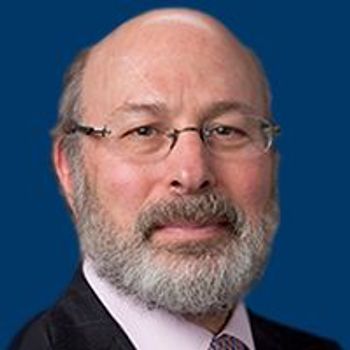
Howard S. Hochster, MD, discusses molecular markers for patients with gastric cancer, using gene expression profiles as biomarkers, and choosing between anti–PD-1 and anti–CTLA-4 agents.