
David Sallman, MD, discusses incorporating mutational testing of patients with myelodysplastic syndrome into clinical practice, and strategies that can be utilized to treat this population.
David Sallman, MD, discusses incorporating mutational testing of patients with myelodysplastic syndrome into clinical practice, and strategies that can be utilized to treat this population.

Wasif M. Saif, MD, discusses the evolving role of PARP inhibitors and anticipated trends for research in pancreatic cancer.
Sameek Roychowdhury, MD, PhD, discusses the efficacy and safety data reported with infigratinib in FGFR2-positive cholangiocarcinoma, nuances to treatment with the agent, and ongoing research efforts to further improve outcomes in this population.

Gastrointestinal cancer is increasingly viewed through a multidisciplinary lens, and the 2021 International Society of Gastrointestinal Oncology Annual Meeting produced intriguing developments in the armamentarium.
Salma K. Jabbour, MD, discusses the validity and clinical implications of using pembrolizumab plus platinum chemoradiation in patients with stage III non–small cell lung cancer.
John V. Heymach, MD, PhD, discusses the background of the Impower010 trial, the benefit for patients with PD-L1 levels of at least 1%, and the exciting direction adjuvant therapy in NSCLC is heading.
The Cancer Dormancy and Tumor Microenvironment Institute, which has recently been launched at Albert Einstein Cancer Center, will focus on taking the tumor microenvironment research being done at the center to the next level and to develop novel technologies that can better identify dormant cancer as well as prevent and control recurrent disease.
Bijal Shah, MD, MS, discusses the evolving role of BTK inhibitors in MCL, how to choose among the variety of agents, and the safety concerns that affect treatment decisions.
Sara Hurvitz, MD, discusses the coopERA study and how these data, along with findings from other clinical trials, could lead to significant changes in treatment for patients with ER-positive/HER2-negative breast cancer.
Chan Cheah, MBBS, discusses TG-1701 as a more target-specific BTK inhibitor, the outcomes in response rates in the cohorts of the trial, and where future research is headed with this agent.
Sikander Ailawadhi, MD, discusses the unique pharmacodynamic profile of lisaftoclax, the similar responses seen across cohorts, and the favorable tolerability of the drug.
Marco Ruiz, MD, discusses the new HIV/Cancer Clinic and its goals, challenges faced with patients who have cancer and HIV infection, and clinical trial opportunities that strive to move the needle forward.
Toni Choueiri, MD, discusses key highlights from the 2021 Kidney Cancer Research Summit and exciting research efforts underway in renal cell carcinoma.
Alexey Danilov, MD, PhD, discussed the data on entospletinib/obinutuzumab in patients with R/R CLL and suggests further research directions with this drug combination.
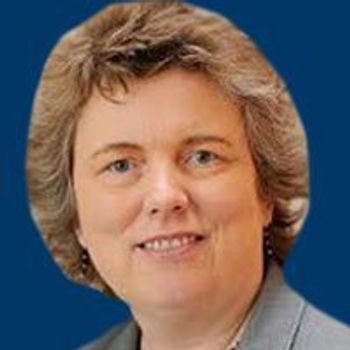
Nadia Harbeck, MD, PhD, discusses the predictive impact of biomarkers on pathologic complete response and survival following de-escalated neoadjuvant T-DM1 with or without endocrine therapy in patients with hormone receptor–positive, HER2-positive breast cancer.
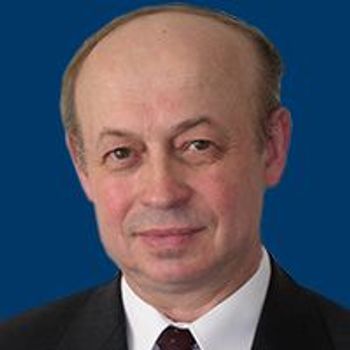
Tadeusz Robak, MD, discussed the 7-year safety and efficacy data from the RESONATE-2 trial examining frontline ibrutinib in CLL.
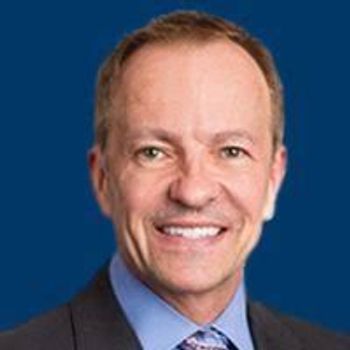
Bradley J. Monk, MD, FACS, FACOG, discusses the practice-changing data from KEYNOTE-826 examining pembrolizumab plus chemotherapy with or without bevacizumab and next steps for research in recurrent or metastatic cervical cancer.

Miranda Gogishvili, MD, discusses the rationale for examining cemiplimab plus platinum-doublet chemotherapy as a frontline treatment in patients with advanced NSCLC and key findings from the phase 3 EMPOWER-Lung 3 trial.
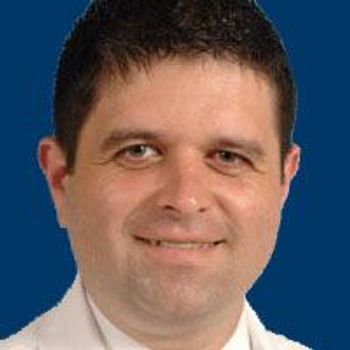
Brian A. Van Tine, MD, PhD, discusses the study design, key findings, adverse events, and research beyond the APROMISS study.
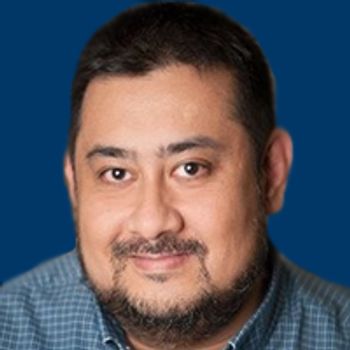
Albiruni Ryan Abdul Razak, discusses the rationale for examining durvalumab with either olaparib or cediranib in patients with LMS, key data reported with this approach, and next steps for the phase 2 DAPPER study.

John C. Byrd, MD, discusses key findings from ELEVATE-RR, differences between acalabrutinib and ibrutinib, and future directions with the second-generation inhibitor.
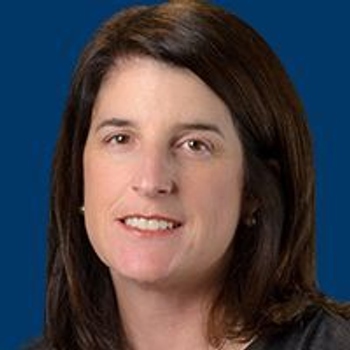
Jennifer K. Litton, MD, discusses the rationale for examining neoadjuvant talazoparib in patients with BRCA1/2-positive, early HER2-negative breast cancer, safety and efficacy results from NEOTALA, and next steps for research.
Maintenance niraparib has been shown to result in a significant progression-free survival benefit in patients with BRCA-mutated ovarian cancer following response to platinum-based chemotherapy.