






































The FDA has granted lorlatinib an accelerated approval for the treatment of patients with ALK-positive metastatic non–small cell lung cancer (NSCLC) who have progressed on 1 or more ALK tyrosine kinases inhibitors (TKIs).
The FDA has granted lorlatinib an accelerated approval for the treatment of patients with ALK-positive metastatic non–small cell lung cancer (NSCLC) who have progressed on 1 or more ALK tyrosine kinases inhibitors (TKIs).
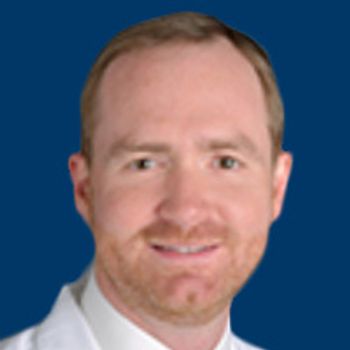
Claud M. Grigg, Jr, MD, discusses the evolving treatment options in the frontline setting for patients with renal cell carcinoma.

Ronald de Wit, MD, PhD, discusses the clinical implications of pembrolizumab in the non–muscle invasive bladder cancer patient population.
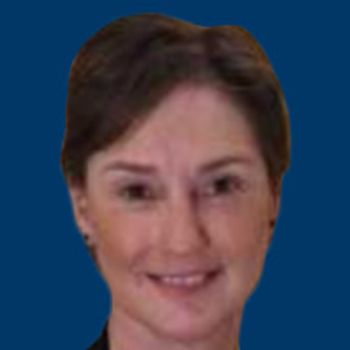
Mary Pasquinelli, MS, APRN, discusses the pivotal role of nurses in lung cancer care.
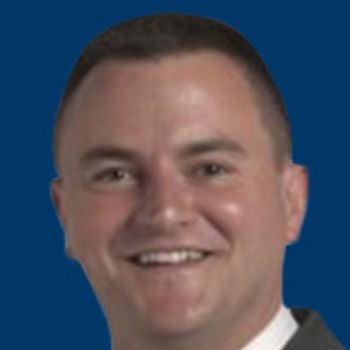
Jason Valent, MD, discusses the current and future landscape of relapsed/refractory multiple myeloma.

Dieter Zopf discusses the identification of effective drug combinations with regorafenib for the treatment of patients with pediatric rhabdomyosarcomas.

Asim Amin, MD, discusses the current role of checkpoint inhibitors in advanced renal cell carcinoma and where the future is heading in this space.
The European Commission has approved venetoclax for use in combination with rituximab for the treatment of patients with relapsed/refractory chronic lymphocytic leukemia following at least 1 prior therapy.

Milind Javle, MD, discusses findings from a phase II study of infigratinib in patients with intrahepatic cholangiocarcinoma, emphasizing the importance of molecular testing.

The combination of venetoclax (Venclexta) and obinutuzumab (Gazyva) reduced the risk of disease progression or death versus obinutuzumab plus chlorambucil in treatment-naïve patients with chronic lymphocytic leukemia with comorbidities.

Apostolia-Maria Tsimberidou MD, PhD, discusses the findings from the IMPACT trial and how precision medicine can affect patient care going forward.

The efficacy of combination therapy with a checkpoint inhibitor and chemotherapy has been proved in the triple-negative breast cancer space, and the additive and early toxicity may be worth the survival benefit, according to Lisa A. Carey, MD.
Earle Burgess, MD, discusses the shifting paradigm of metastatic castration-sensitive prostate cancer.
Kashyap Patel, MD, discusses biosimilars and other potential cost-controlling measures in cancer care.
The FDA has approved first-line pembrolizumab for use in combination with carboplatin and either paclitaxel or nab-paclitaxel for the treatment of patients with metastatic squamous non–small cell lung cancer.
Adding daratumumab to lenalidomide and dexamethasone reduced the risk of disease progression or death by 45% compared with lenalidomide/dexamethasone alone in newly diagnosed patients with multiple myeloma who are not candidates for high-dose chemotherapy and autologous stem-cell transplant.
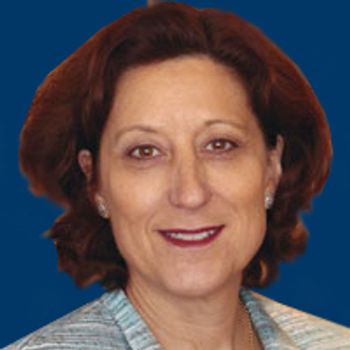
Hope S. Rugo, MD, discusses CDK4/6 inhibition in HR-positive breast cancer, mechanisms of resistance to these drugs, and other potential pathway blockades.
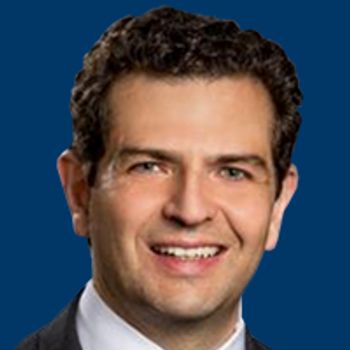
Missak Haigentz, MD, discusses the impact of EGFR TKIs on the treatment of patients with non–small cell lung cancer.
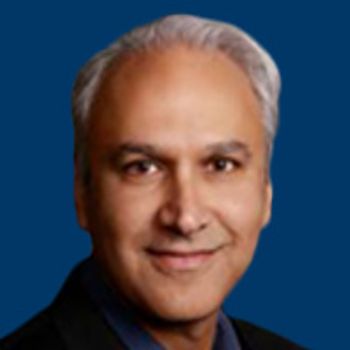
Neil P. Shah, MD, PhD, discusses emerging agents and the tyrosine kinase inhibitor discontinuation approach in the landscape of chronic myeloid leukemia.

Michelle E. Melisko, MD, discusses the clinical implications of the TAILORx and MINDACT studies.
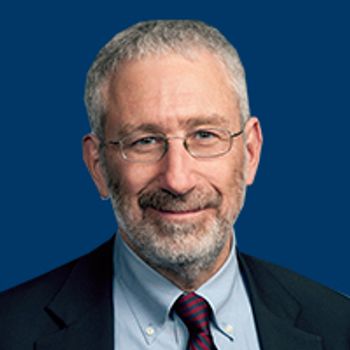
Maurie Markman, MD, reflects on practice-changing advances during his career and discussed the future of gynecologic cancer treatment.

Juan Manuel O’Connor, MD, discusses the final results of the CORRELATE regorafenib study in patients with metastatic colorectal cancer, emphasizing the importance of real-world data.
In a presentation during an OncLive® State of the Science Summit™, Melanie Majure, MD, discussed the duration of endocrine-directed therapy for estrogen receptor–positive breast cancer.
Lawrence D. Kaplan, MD, discusses recent updates and next steps in the expanding paradigm of Hodgkin lymphoma, mantle cell lymphoma, and follicular lymphoma.
Martina Weise, MD, discusses the journey of biosimilars as supportive care for patients with cancer, as well as the future of their use as treatment.